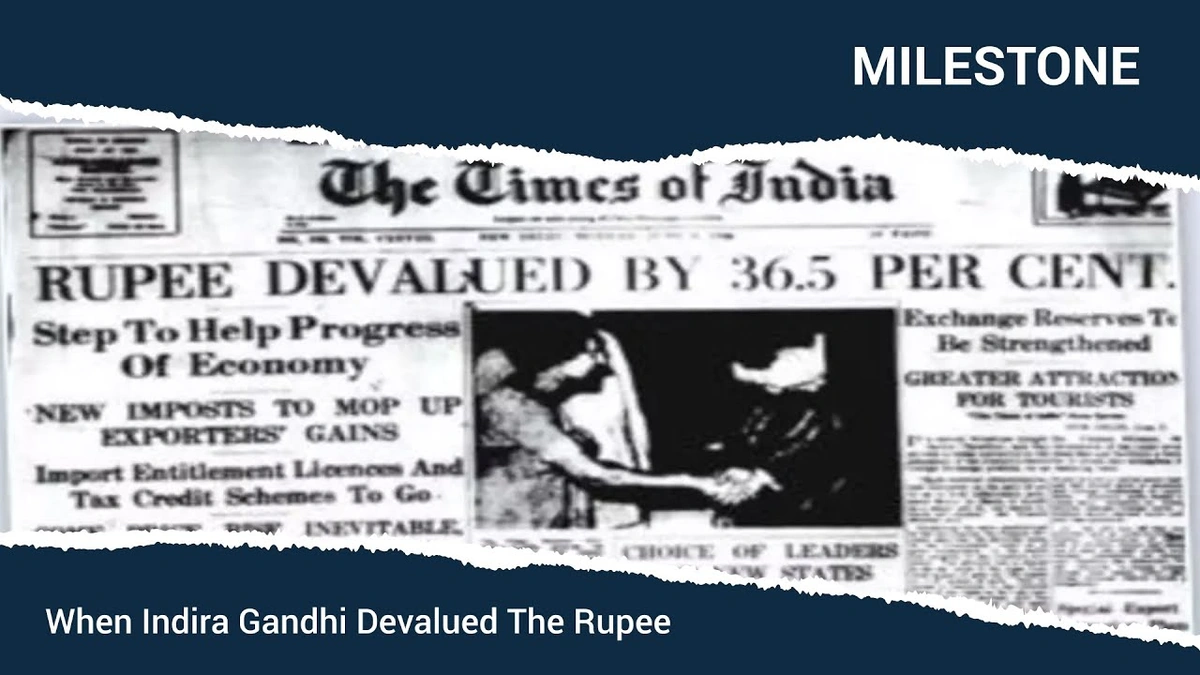
The rupee devaluation – it’s been the talk of the town, hasn’t it? You see the headlines: “Rupee hits new low!” or “Is this the end for the Indian currency?” But let’s be honest, what does it really mean for you, sitting here in India, trying to manage your finances, plan for the future, and maybe even snag that dream vacation?
Forget the doomsday scenarios for a moment. Let’s break down why this is happening, how it impacts your pocket, and what, if anything, you can actually do about it. Think of it as a financial weather report, but instead of rain, we’re talking about the ebb and flow of currency values. And believe me, understanding this stuff is way more empowering than just complaining about it.
The Puppet Masters | US Sanctions and Trade Deal Delays
So, what’s the immediate trigger? The headlines point to US sanctions and delays in much-anticipated trade deals. But that’s like saying a fever is caused by a high temperature. True, but it doesn’t explain the underlying infection. The real infection here is a complex cocktail of global economics and geopolitical tensions. The US wielding its economic power through sanctions creates uncertainty, and uncertainty spooks investors. When investors get spooked, they often pull their money out of emerging markets like India, seeking safer havens like the US dollar. This increased demand for dollars drives up its value, automatically weakening the rupee.
And those trade deal delays? They signal a lack of confidence in global economic cooperation. It’s like a broken promise – businesses and investors become hesitant, impacting investment flows and ultimately, the Indian currency market.
But, the rupee’s not alone in this boat. The exchange rate fluctuations are affecting other emerging market currencies too. So, India isn’t being singled out, but the impact is still being felt here.
Your Wallet Under Pressure | The Real-World Impact
Here’s the thing: a weaker rupee isn’t just an abstract economic concept. It hits your wallet in several ways. Firstly, imported goods become more expensive. That fancy imported cheese you love? The price just went up. The components for your phone? More costly for manufacturers, and they will pass on the price hike. Oil, a crucial import for India, also gets pricier, potentially leading to higher fuel prices at the pump. Basically, anything that India imports is going to cost more. This can lead to imported inflation which is not good news. As per theInvestopedia, Inflation is the rate at which the general level of prices for goods and services is rising, and subsequently, purchasing power is falling. Central banks often take measures to limit severe inflation, while moderate inflation may be considered necessary to encourage investment.
But – and this is important – it’s not all doom and gloom. A weaker rupee can actually boost exports. Indian goods and services become cheaper for foreign buyers, potentially increasing demand and benefiting Indian businesses. Think of it as a sale sign hanging on “Made in India” products. Sectors like IT and textiles stand to gain. Also, tourism may receive a boost with international travellers finding India more affordable.
Let me rephrase that for clarity: while some sectors benefit from a devalued rupee, the increased cost of imports is broadly felt across the economy. The net effect for consumers is often negative, especially in the short term.
Navigating the Storm | What Can You Do?
Okay, so the rupee is down. What can you, as an individual, actually do about it? Panicking and converting all your rupees to dollars is generally not the answer (unless you have very specific reasons and consult a financial advisor, of course!).
Here are a few practical steps:
- Diversify Your Investments: Don’t put all your eggs in one basket. Consider investing in assets that are less directly affected by currency fluctuations, like gold or international stocks. But remember to do your research or consult a financial advisor before making any big moves. A common mistake I see people make is reacting impulsively to market news.
- Re-evaluate Your Spending: Take a close look at your expenses. Are there areas where you can cut back on imported goods or services? It might be time to explore local alternatives.
- If You’re Planning Foreign Travel: This is a big one! If you have upcoming international travel plans, consider buying foreign currency now, rather than waiting. The rupee might weaken further, making your trip even more expensive later.
- Focus on Skill Development: In the long term, investing in your skills and education is always a good hedge against economic uncertainty. A well-paying job will help you weather any financial storm.
Also, do not forget to keep an eye on global financial markets. Keep yourself updated.
And remember, the Reserve Bank of India (RBI) plays a crucial role here. They have tools at their disposal to manage the rupee’s value, like intervening in the currency market by buying or selling dollars. The RBI’s actions can have a significant impact, so stay informed about their policies. You can usually find updates on theRBI website.
The Big Picture | India’s Economic Resilience
Let’s be honest – economic fluctuations are a part of life. The rupee’s fall is a reminder that India is part of a complex global system and vulnerable to external shocks. But here’s the thing: India has a history of bouncing back from economic challenges. The country’s growing economy, its demographic advantage, and its increasing integration into the global economy all contribute to its resilience.
I initially thought this was a simple case of US sanctions impacting the rupee, but then I realized it’s a much more nuanced story. It’s about understanding the interplay of global events, making informed decisions, and maintaining a long-term perspective. Instead of panicking about the currency depreciation, look at it as a call to become more financially aware and proactive.
You should also keep an eye on economic indicators.
And who knows? Maybe this temporary dip will pave the way for future growth and stability. After all, every storm eventually passes.
Don’t forget to also keep an eye on Hindalco share price .
FAQ Section
What if I’m planning to study abroad?
If you’re planning to study abroad, the rupee’s decline can significantly increase your expenses. Start saving early, explore scholarship options, and consider universities in countries with more favorable exchange rates.
Will this affect the stock market?
Yes, a weaker rupee can impact the stock market. It can negatively affect companies that have significant dollar-denominated debt, while benefiting export-oriented companies.
Is this a good time to invest in real estate?
The impact on real estate is complex and depends on various factors. A weaker rupee can make real estate more attractive to foreign investors, but it can also increase construction costs due to higher import prices.
What about gold prices?
Typically, gold prices tend to increase when the rupee weakens, as gold is seen as a safe haven asset. It might be a good time to consider gold investment, but always consult your financial advisor.
Will the government do anything to help?
The government and the RBI have various tools to manage the rupee’s value and mitigate the impact on the economy. Keep an eye on policy announcements and interventions.
How can I stay updated on the rupee’s movement?
Follow reputable financial news sources, such as the Economic Times, Business Standard, and Bloomberg, for the latest updates and analysis.
Also, remember to also stay aware of government vodafone idea relief .



Leave feedback about this