
The Indian Rupee . We’ve all felt its impact, whether we’re sending money home, planning that dream vacation, or just buying imported goods. When the Rupee starts to wobble, it sends ripples through the entire economy. And recently, it’s been doing more than just wobbling – it’s been on a bit of a rollercoaster. So, when news breaks that the Reserve Bank of India (RBI) has stepped in, everyone starts paying attention. But what does it really mean for you and me?
Why Should You Even Care About the Rupee Value?
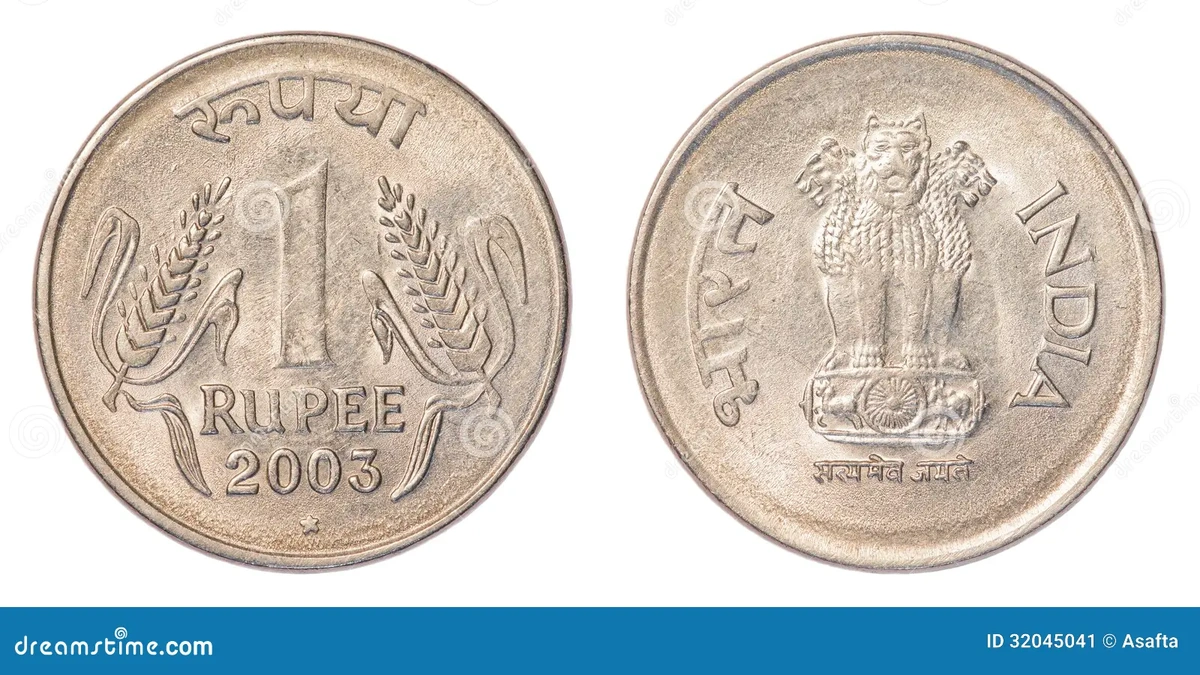
Let’s be honest – economics can be a snooze-fest. But here’s the thing: the Rupee’s health directly affects your wallet. Think about it. A weaker Rupee means imports become more expensive. That fancy gadget you’ve been eyeing? Suddenly pricier. The fuel for your car? You guessed it – also more expensive. Inflation, in general, gets a kick in the pants. That’s why the RBI’s intervention is so critical. They’re trying to keep things stable, prevent wild price swings, and protect your purchasing power. A stable Rupee is essential for maintaining a healthy economy. Without it, businesses struggle to plan, investments become risky, and common people face a price shock. The RBI’s actions aim to avoid this economic instability.
But it’s not just about preventing bad things. A stable Rupee also creates a more predictable environment for businesses. This predictability encourages investments and economic growth. And that, my friends, is something we can all benefit from.
Decoding the RBI’s Playbook | How Do They Intervene?
Okay, so the RBI wants to prop up the Rupee . How exactly do they do it? It’s not like they can just wish it stronger. The primary tool in their arsenal is the foreign exchange market. They essentially buy Rupees using their reserves of foreign currency, like US dollars. Think of it like this: the more demand there is for something, the higher its price. By buying Rupees , the RBI increases demand, which helps to push its value up. This increase in demand will help to maintain the Indian currency .
But here’s the catch: the RBI can’t keep intervening forever. They have a finite amount of foreign reserves. And if they keep selling dollars to buy Rupees , those reserves will eventually dwindle. That’s why intervention is usually a short-term measure, designed to stabilize the currency during periods of volatility. Another tool the RBI may use is adjusting interest rates. By raising interest rates, the RBI can attract foreign investment, which increases demand for the Rupee . The RBI walks a tightrope trying to balance economic stability, growth and investment returns .
The Global Context: Why Is the Rupee Under Pressure?
The Rupee doesn’t exist in a vacuum. It’s constantly influenced by global events. A major factor is the strength of the US dollar. When the dollar strengthens, as it has been recently, other currencies, including the Rupee , tend to weaken. This is because a strong dollar makes US assets more attractive to investors, leading to capital outflows from countries like India.
Rising crude oil prices also put pressure on the Rupee . India imports a large chunk of its oil, and when oil prices go up, it means India has to spend more dollars to buy the same amount of oil. This increased demand for dollars weakens the Rupee . Geopolitical tensions, like the war in Ukraine, also create uncertainty and volatility, which can negatively impact the Rupee .
The relationship between the Indian economy and the global market is vital to understand the nuances of the intervention.
Beyond 90 | What’s the Big Deal About That Number?
So, the headline mentions the Rupee nearing 90 against the dollar. Is that just a number, or is there something significant about it? Well, psychologically, round numbers like 90 often act as important levels. If the Rupee crosses that level, it can trigger panic and further selling, potentially leading to a sharper decline. The closer the Rupee gets to this level, the more likely the RBI is to intervene to prevent a further slide.
Crossing the 90 mark could also erode confidence in the Indian economy and investment climate . It might lead to investors pulling out their money, further weakening the Rupee . That’s why the RBI tries to avoid it.
The Road Ahead | What Can We Expect?
Predicting the future is a mug’s game, but here’s what we can expect. The RBI is likely to continue to intervene in the foreign exchange market to manage the Rupee’s volatility. But their interventions will likely be targeted and strategic, rather than a full-blown defense of a particular level. The central bank will also closely monitor global economic developments and adjust its monetary policy accordingly. Key factors to watch include the US Federal Reserve’s interest rate decisions, crude oil prices, and global geopolitical risks. Stay up to date on the exchange rate to monitor the situation.
What fascinates me is how interconnected the global economy is. The Indian Rupee ‘s journey isn’t just about numbers and economics – it’s a reflection of India’s place in the world, its ambitions, and its challenges. Keep a close watch on how the RBI action impacts the market.
FAQ
What happens if the Rupee keeps falling?
If the Rupee continues to depreciate, imports will become more expensive, leading to inflation. This could also impact foreign investment and overall economic growth.
How does the RBI decide when to intervene?
The RBI considers several factors, including the level of volatility in the foreign exchange market, the overall economic situation, and global developments. They intervene when they believe that the Rupee’s movements are excessive or disruptive.
Can the RBI completely control the Rupee’s value?
No, the RBI cannot completely control the Rupee’s value. It’s influenced by a variety of global factors. The RBI’s interventions can only help to manage volatility and prevent excessive movements.
What does a strong Rupee mean for me?
A strong Rupee makes imports cheaper, potentially leading to lower prices for goods and services. It can also make it more affordable to travel abroad.
How often does the RBI intervene in the forex market?
The frequency of RBI intervention depends on market conditions. They intervene when needed to stabilize the Rupee , but it’s not a daily occurrence.
Where can I track the Rupee’s current exchange rate?
You can track the Rupee’s exchange rate on various financial websites, news portals, and banking apps.



Leave feedback about this