So, 6.5% growth for India? That’s the headline, right? S&P Global says so. But here’s the thing: numbers alone don’t tell the whole story. We need to dig deeper. What’s driving this growth? And more importantly, what does it mean for you, the average person in India? Let’s be honest, economic projections can feel like abstract concepts, floating miles above our everyday lives. But trust me, this one has real-world implications. I initially thought it was just another report, but then I realized the internal demand and government initiatives are game-changers.
The “Why” Behind the Numbers | Decoding the India Growth Story
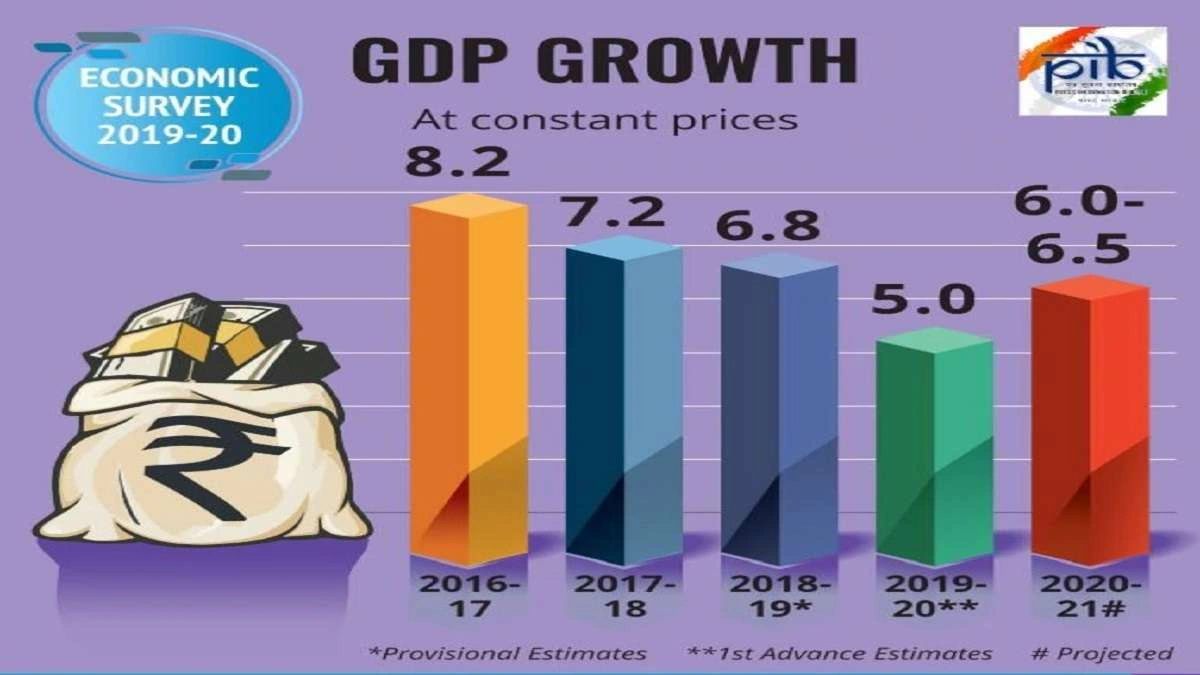
Okay, so 6.5%. Not bad, right? But why is this happening now? Well, S&P Global points to two key factors: robust internal demand and proactive government initiatives. Let’s unpack that a bit. “Internal demand” basically means that Indians are buying more stuff. And it is not just any stuff but a wide range of things, from consumer goods to services. This shows a growing consumer confidence and purchasing power. The interesting thing is, that according to World Bank , this demand is not evenly distributed, so some sectors and regions benefit more than others.
And government initiatives? Think about things like infrastructure development, the push for manufacturing, and policies aimed at attracting foreign investment. These initiatives are designed to create jobs, boost productivity, and foster a more business-friendly environment. Let me rephrase that for clarity: the government is actively trying to make it easier for businesses to thrive, which in turn, should lead to more economic growth. But the devil, as always, is in the details. Are these initiatives actually working? Are they reaching the people who need them most? That’s what we need to be asking.
What This Means for You | Jobs, Inflation, and More
Now, let’s get down to brass tacks. How does this India growth projection actually affect your life? The most immediate impact is likely to be on job creation. A growing economy generally means more jobs, especially in sectors that are benefiting from increased internal demand and government support. But and this is a big but the quality of those jobs matters. Are they well-paying jobs with benefits, or are they precarious, low-wage positions? A common mistake I see people make is to assume that all job growth is good job growth. We need to be critical about the types of opportunities that are being created.
Another key factor to watch is inflation. As demand increases, prices tend to rise. The Reserve Bank of India (RBI) will be keeping a close eye on this, and it may need to adjust interest rates to keep inflation in check. Higher interest rates can cool down the economy, but they can also make it more expensive to borrow money for things like home loans and business investments. The one thing you absolutely must double-check is how these global forecasts impact your financial planning. It is always better to have foresight than be caught off-guard. Also keep an eye on sectors like manufacturing which are likely to see a boom. Check how sectors react to market fluctuations.
Navigating the Uncertainties | Risks and Challenges Ahead
Of course, no economic forecast is perfect. There are always risks and challenges that could derail the growth story. Global economic slowdown, geopolitical tensions, and unexpected events (like, say, a global pandemic) could all put a damper on things. And here’s the thing: India is not immune to these external shocks. We are part of a globalized economy, and what happens in other countries can definitely affect us.
Furthermore, internal challenges like infrastructure bottlenecks, regulatory hurdles, and social inequalities could also hinder growth. The government needs to address these issues proactively to ensure that the benefits of economic growth are shared more widely. A common mistake I see people make is focusing solely on the positive aspects of the forecast and ignoring the potential downsides. A realistic assessment of the risks is essential for sound decision-making.
The Long Game | Sustainable and Inclusive Growth
Ultimately, the goal should not just be growth for the sake of growth. We need to focus on sustainable and inclusive growth that benefits all sections of society. This means investing in education, healthcare, and other social programs that improve the quality of life for everyone. It also means protecting the environment and promoting sustainable business practices. According to the latest circular on the official NITI Aayog website, a long-term vision is essential for achieving these goals.
And here’s what fascinates me: the 6.5% growth projection is not just a number. It’s a reflection of India’s potential, its resilience, and its ambition. But it’s also a reminder that we need to work together to create a better future for ourselves and for generations to come. Now, let’s talk about something equally fascinating. Check this update on the stock market.
FAQ
What if I forgot my PAN details for investment?
You can retrieve your PAN details online through the Income Tax Department’s website by providing other relevant information like your name and date of birth.
Where can I find reliable data on current market trends?
Reputable sources include the websites of the Reserve Bank of India (RBI), the National Stock Exchange (NSE), and leading financial news outlets.
How can I improve my credit score quickly?
Pay your bills on time, keep your credit utilization low, and regularly check your credit report for any errors.
What are the key government initiatives supporting small businesses?
Some key initiatives include the Pradhan Mantri Mudra Yojana (PMMY) and the Credit Guarantee Fund Trust for Micro and Small Enterprises (CGTMSE), which provide financial assistance and support to small businesses.

Leave feedback about this