Okay, let’s talk India’s economic outlook. We’ve all seen the headlines: S&P , one of the big guns in global ratings, is predicting a solid 6.5-6.7% growth for India. That’s a pretty optimistic number, especially when you look at what’s happening elsewhere in the world. But here’s the thing – it’s not all sunshine and roses. There’s a shadow lurking: the potential impact of US tariffs on India’s exports. So, what does this all mean for you, me, and the Indian economy?
Decoding the Growth Forecast | Why Should You Care?
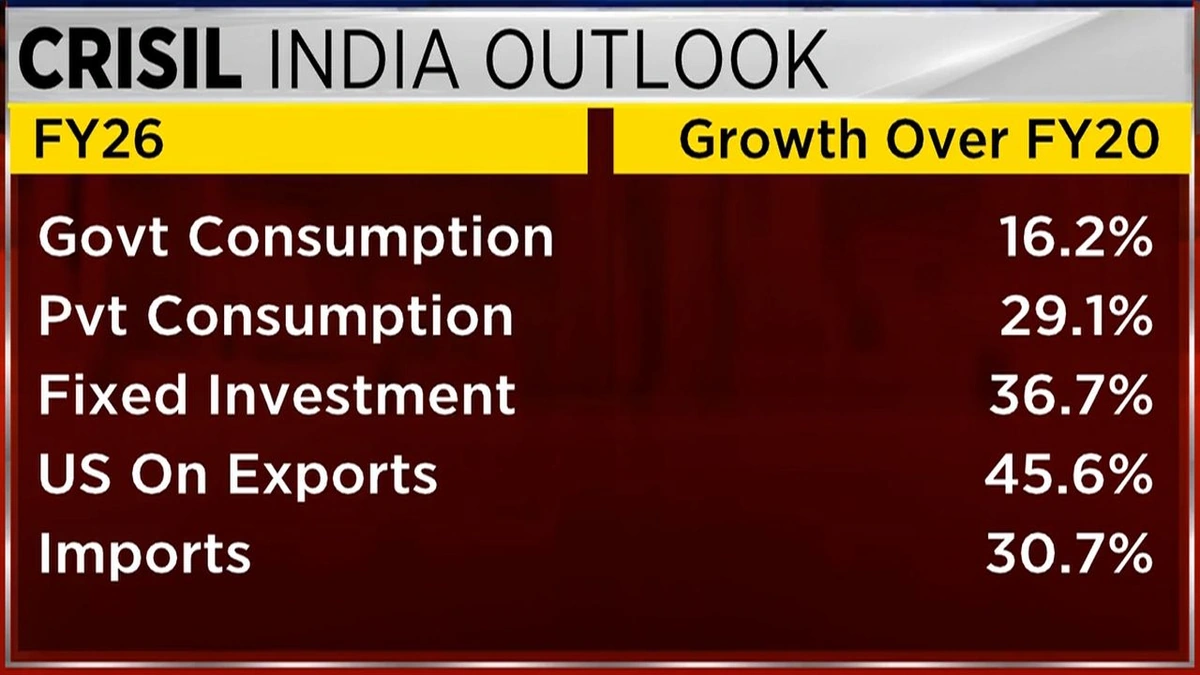
Why should we even bother about some agency’s forecast? Well, these numbers aren’t just plucked out of thin air. They’re based on deep dives into economic indicators, trends, and a whole lot of number crunching. A positive India growth outlook signals increased job opportunities, better investment prospects, and overall improved standards of living. It affects everything from the price of your groceries to your chances of landing that dream job. When S&P says “growth,” it’s a green light for businesses to expand and for investors to pour money into the market. But (and it’s a big but), these forecasts are also a warning system. They highlight potential pitfalls that could derail the growth train. Which brings us to…
The US Tariff Threat | A Wrench in the Works?
Ah, tariffs. The word that can make any economist shudder. The US is a major export destination for India, especially for sectors like IT, pharmaceuticals, and textiles. If the US slaps on hefty tariffs (taxes on imported goods), it makes Indian products more expensive in the US market. This could lead to a decrease in demand, hurting Indian businesses and ultimately slowing down our economic growth. I initially thought that the trade war was slowing down, but it appears that the risk of further tariffs is still looming. What fascinates me is the interconnectedness of the global economy. One country’s policy decision can have ripple effects across continents. Think of it like this: if the US sneezes, India catches a cold.
Let’s be honest. India’s export-oriented businesses are already facing challenges from rising inflation in the US. As per The Hindu Business Line , S&P believes that while the Indian growth story is still intact, global headwinds could pose downside risks to the forecast.
Navigating the Uncertainties | What Can India Do?
So, India is facing a potential one-two punch: a slowing global economy and the threat of US tariffs. What can be done? Well, diversification is key. India needs to reduce its reliance on the US market by exploring new export destinations. This means strengthening trade ties with other countries and regions, such as the EU, Africa, and Southeast Asia. A common mistake I see people make is putting all their eggs in one basket. In the world of economics, that’s a recipe for disaster. Additionally, investing in domestic manufacturing through initiatives like “Make in India” can reduce dependence on imports and boost the economy from within. And hey, don’t forget about innovation! Supporting startups and fostering a culture of technological advancement can create new export opportunities and make Indian businesses more competitive globally. For example, improving the ease of doing business and attracting foreign direct investment (FDI) can spur economic activity and create jobs. You can read about investment opportunities on best stocks today .
Beyond the Numbers | The Human Impact
At the end of the day, economic forecasts and tariff discussions aren’t just about numbers and policies. They’re about real people. They’re about the farmer in Maharashtra whose livelihood depends on exporting cotton, the software engineer in Bangalore hoping for a promotion, and the small business owner in Delhi dreaming of expanding their operations. The impact on exports trickles down to their lives, their families, and their communities. That’s why it’s crucial to understand these economic trends and advocate for policies that promote inclusive and sustainable growth. This is why understanding the indian economy is so important.
And it’s not just about the negative impacts. A strong economic forecast can boost confidence, encouraging people to invest in their future – whether it’s buying a home, starting a business, or pursuing higher education. The government initiatives can play a huge role in providing financial services to rural areas, boosting small and medium-sized enterprises (SMEs), and promoting digital literacy.
India has the potential to be a global economic powerhouse, but it needs to navigate these challenges strategically and proactively. Let me rephrase that for clarity: success hinges on adaptability, innovation, and a focus on the well-being of its citizens. It also hinges on making sure people know how to participate in the markets through platforms like Groww Q Results .
India’s Resilience | A Silver Lining?
Despite the challenges, there’s a reason for optimism. India has a large and growing domestic market, a young and dynamic workforce, and a thriving entrepreneurial ecosystem. These are powerful advantages that can help India weather the storm. The country has shown remarkable resilience in the face of global economic shocks. A few years ago, many predicted a major slowdown, but India bounced back stronger than ever. This resilience is not just about economic indicators; it’s about the spirit of the Indian people. Their determination, their creativity, and their unwavering belief in a better future. That’s the X factor that often gets overlooked in economic forecasts. And if you do not believe in this story, read Stock Market Rebound .
So, what’s the takeaway? S&P’s forecast is a mixed bag – a reason for optimism tempered by a healthy dose of caution. The key is to understand the nuances, to be aware of the risks, and to work together to build a more resilient and prosperous India. It’s not just about hitting a specific growth number; it’s about creating a society where everyone has the opportunity to thrive. As per the guidelines mentioned in the information bulletin, the government is focusing on infrastructure development, skill development, and social welfare programs to improve the quality of life for all citizens.
FAQ
Frequently Asked Questions
What exactly does S&P do?
S&P is a global ratings agency that assesses the creditworthiness of companies and countries. Their ratings influence investment decisions worldwide. Their analysis of the indian financial system is especially important.
How do US tariffs affect the average Indian citizen?
Tariffs can indirectly affect citizens through higher prices for goods, reduced job opportunities, and slower economic growth.
What sectors are most vulnerable to US tariffs?
Sectors like IT, pharmaceuticals, textiles, and engineering goods are particularly vulnerable due to their reliance on exports to the US.
What is India doing to mitigate the risks of tariffs?
India is exploring new export markets, promoting domestic manufacturing, and investing in innovation to reduce dependence on the US market.
Is the 6.5-6.7% growth forecast realistic?
While ambitious, it reflects India’s potential, but it’s contingent on managing global headwinds and implementing sound economic policies.
Where can I find more information on India’s economic policies?
You can check the official websites of the Reserve Bank of India (RBI) and the Ministry of Finance for detailed information.
Leave feedback about this