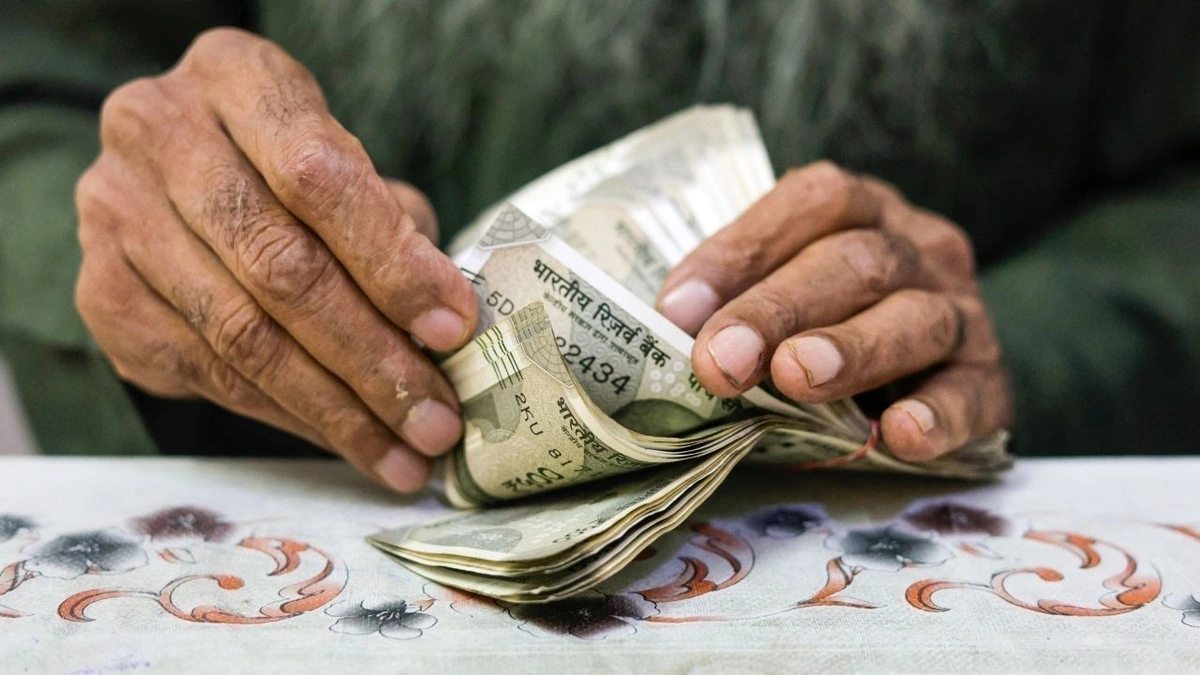
Okay, so the rupee ‘s been having a bit of a wobble, hasn’t it? You see headlines flashing about the Reserve Bank of India (RBI) stepping in, and it’s easy to feel a little lost in the jargon. Let’s be honest – economics can sound like a different language. But here’s the thing: this isn’t just about numbers and charts. It’s about what things cost, about your savings, and about India’s place in the world.
So, what exactly is happening? And more importantly, why should you care? Instead of just regurgitating news, I want to break down the ‘why’ behind the RBI intervention . This isn’t just a dry financial story; it has real-world implications for you and me.
Decoding the RBI’s Move | More Than Just a Knee-Jerk Reaction

The most immediate question is, why now? The rupee depreciation happens for a bunch of reasons. It could be global events like rising interest rates in the US, which make the dollar more attractive. It could be India’s own economic factors, like a rising trade deficit (we’re buying more than we’re selling). Maybe the foreign exchange reserves are dwindling.
But, the RBI’s intervention isn’t some panicky, last-minute thing. It’s a calculated move to maintain stability. Think of it like this: imagine you’re driving a car, and the steering wheel starts to wobble. You don’t just let it spin out of control, do you? You gently correct it. The RBI is doing the same, using its tools to ensure the rupee doesn’t go on a wild rollercoaster ride. This is also closely tied to inflation control measures.
One tool in their toolkit is selling dollars from India’s foreign exchange reserves . What’s that mean? Basically, the RBI has a piggy bank full of US dollars (and other currencies). When the rupee weakens, they sell some of those dollars in the market. This increases the supply of dollars and reduces the demand, which can help prop up the rupee . But, it does mean that the forex reserves can be impacted.
It’s important to understand the scale of this. India’s forex reserves are substantial, built up over years. The RBI isn’t going to let them be depleted overnight. But sustained intervention does have consequences, and that’s what we’ll get to in a bit.
Why a Weak Rupee Affects Your Wallet: The Direct Impact
Here’s where it gets personal. A weaker rupee means imports become more expensive. And India imports a lot of things, from oil to electronics. When those things cost more in rupee terms, that cost eventually trickles down to you.
Think about petrol prices. A weaker rupee makes crude oil imports (which India relies heavily on) more expensive, directly impacting what you pay at the pump. The same goes for imported gadgets, appliances, and even some food items. This upward pressure on prices contributes to inflation .
But it’s not all doom and gloom. A weaker rupee can actually benefit Indian exporters. Their goods become cheaper for foreign buyers, potentially boosting exports and helping the economy. It also may make India an attractive destination for tourists and investors. Still, the immediate pain of rising prices is often felt more acutely by the average person.
The Long Game | What Sustained Intervention Means for India
So, the RBI steps in, the rupee stabilizes (hopefully), and everyone breathes a sigh of relief, right? Not quite. Here’s where the deeper analysis comes in. Sustained intervention has its own set of challenges.
First, depleting forex reserves isn’t ideal. While India’s reserves are healthy, they aren’t unlimited. Continually selling dollars to support the rupee reduces that buffer, making India potentially more vulnerable to future economic shocks. If you want to read more about how banks influence India’s financial landscape, check out global banks in india surge .
Second, it can signal a lack of confidence in the rupee . If the market believes the RBI will keep intervening, it might encourage further speculative attacks on the currency, creating a vicious cycle. And, of course, persistent currency devaluation can impact investor sentiment.
Third, intervening in the currency market can sometimes clash with other policy goals, like controlling inflation . The RBI has to walk a tightrope, balancing the need to stabilize the rupee with the need to manage rising prices. And let’s be honest – it’s not an easy job! A common mistake I see people make is assuming that the RBI’s actions are isolated. They are always part of a broader economic strategy.
Alternatives to Intervention | Are There Other Paths?
The RBI intervention serves as a temporary remedy, but what about other measures? Well, there’s a whole range of options, each with its own set of pros and cons. For instance, the government could try to attract more foreign investment. Improving the ease of doing business in India, streamlining regulations, and offering incentives can all help bring in more dollars, naturally strengthening the rupee .
Another approach is to focus on boosting exports. Promoting Indian-made goods and services in the global market can increase demand for the rupee . The government could also take steps to reduce imports, like encouraging domestic production of goods that India currently relies on foreign vendors to fulfill. These actions help improve the balance of payments.
And here’s something fascinating: the exchange rate mechanism itself can be tweaked. The RBI might consider allowing the rupee to fluctuate more freely, intervening only in cases of extreme volatility. This could help the market find a more natural level for the rupee , reducing the need for constant intervention. However, such a move has its own risks, potentially leading to greater short-term volatility. Interested in reading more about market dynamics? Check out tata stocks .
Final Thoughts | Staying Informed and Staying Calm
So, the next time you see a headline about the RBI intervening to support the rupee , remember that it’s not just a number on a screen. It’s a story about India’s economy, about global forces, and ultimately, about your own financial well-being. The Indian economy’s resilience is a key factor in all of this.
The one thing you absolutely must do is stay informed, but also stay calm. Economic fluctuations are normal. The RBI has tools to manage them, and India has a track record of resilience. As per the guidelines mentioned in various financial publications, a well-informed citizen is an empowered citizen. Keep asking questions, keep learning, and don’t let the headlines scare you.
FAQ Section
Why is the rupee falling in the first place?
The rupee falls due to various global factors like rising US interest rates, a stronger dollar, and India’s own economic factors like trade deficits.
How does the RBI intervention help?
The RBI intervention , usually through selling dollars, increases the supply of dollars and reduces the demand, which can help prop up the rupee .
Will this affect inflation in India?
Yes, a weaker rupee makes imports more expensive, which can lead to higher prices and contribute to inflation .
Are there any benefits to a weaker rupee?
Yes, a weaker rupee can benefit Indian exporters as their goods become cheaper for foreign buyers.
What are forex reserves?
Forex reserves are a country’s holdings of foreign currencies, often used to stabilize the domestic currency.
What is the impact of currency devaluation?
Currency devaluation makes exports cheaper and imports more expensive. However, it can also signal a lack of confidence to investors.


Leave feedback about this