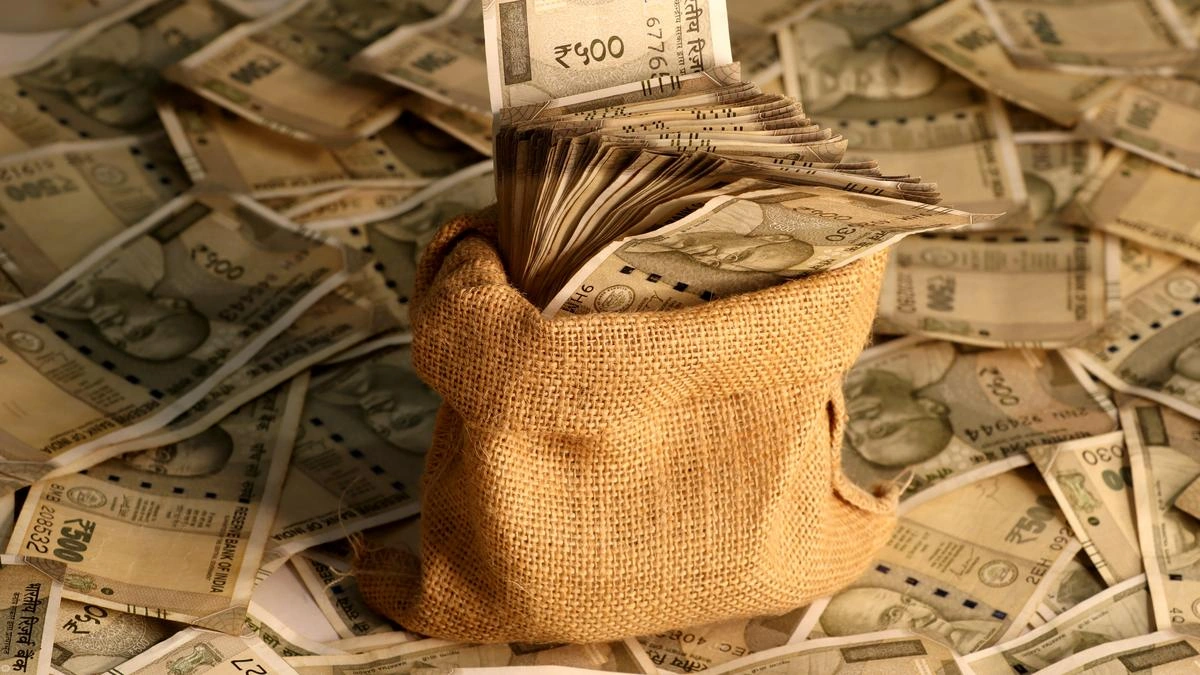
The rupee. It’s more than just the money in your wallet. It’s a barometer of India’s economic health, a reflection of global investor confidence, and, let’s be honest, a source of national pride. When the rupee takes a tumble , especially against a heavyweight like the US dollar, it sends ripples through everything – from your morning cup of chai to the price of petrol. But here’s the thing: currency markets are rarely straightforward. They’re a complex dance of supply and demand, influenced by factors both within and outside our control.
So, when news breaks that the Reserve Bank of India (RBI) has stepped in to help the rupee recover some lost ground, it’s natural to ask: why does this matter to me? Well, grab your chai, settle in, and let’s unpack this. We’re not just talking about numbers here; we’re talking about the real-world implications for your pocket, your investments, and the overall economy.
Understanding the Dollar’s Dominance and Its Impact
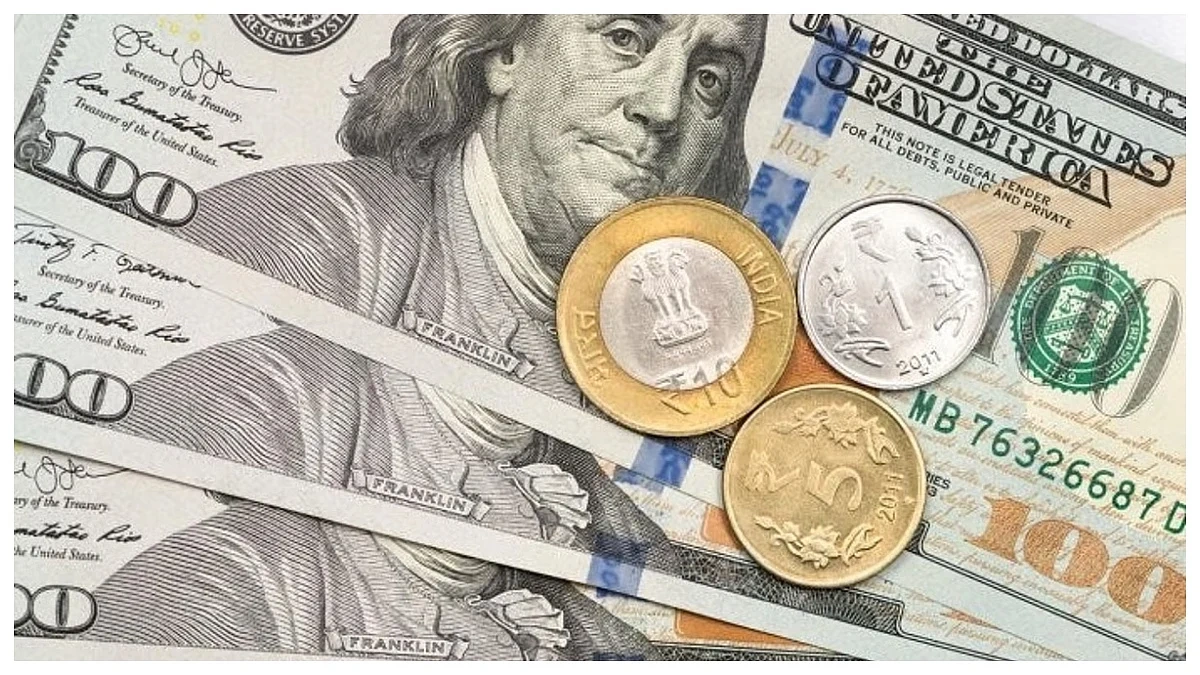
The US dollar’s strength is a recurring theme in global economics. Think of it as the king of the currency jungle. Several factors contribute to its dominance. The US boasts the world’s largest economy, and the dollar is the primary reserve currency for most countries. During times of global uncertainty, investors flock to the dollar as a safe haven, further driving up its value. This is known as a strong dollar .
And when the dollar strengthens, other currencies, including the rupee, often feel the pressure. Imports become more expensive, potentially fueling inflation. Indian companies with dollar-denominated debt find it harder to repay those loans. It’s a chain reaction that can impact everyone.
But here’s where it gets interesting. The RBI isn’t just sitting idly by. They have a range of tools at their disposal to manage the rupee’s exchange rate. And recently, they’ve been actively using those tools.
How the RBI Steps In | Decoded
The RBI’s primary weapon in this battle is intervention in the foreign exchange market. This means buying or selling dollars to influence the rupee’s value. If the rupee is weakening too much, the RBI can sell dollars from its reserves and buy rupees, increasing the demand for the Indian currency and pushing its value up. Conversely, if the rupee is getting too strong, it can buy dollars to moderate its rise. These interventions are also influenced by global economic conditions .
But here’s the thing I’ve noticed: it’s not just about buying and selling. The RBI also uses other measures, such as adjusting interest rates. Higher interest rates can attract foreign investment, increasing demand for the rupee. It’s a delicate balancing act, as higher rates can also slow down economic growth.
Let me rephrase that for clarity: imagine the RBI as a skilled conductor leading an orchestra. They’re not just hitting one note; they’re orchestrating a complex symphony of measures to maintain stability. Sometimes, it works like a charm, and other times, it’s a bit more challenging.
The latest reports suggest that the RBI intervention has indeed helped the rupee regain some ground. But the question remains: is this a short-term fix, or can it lead to a more sustained recovery?
Beyond Intervention | Sustainable Rupee Recovery
Relying solely on RBI intervention isn’t a long-term solution. A sustainable rupee recovery requires a multi-pronged approach. Strengthening India’s export competitiveness is crucial. The more goods and services India sells to the world, the greater the demand for the rupee. Boosting foreign investment is also key. Creating a stable and attractive investment climate can lure foreign capital, further supporting the rupee.
And, of course, managing inflation is paramount. Keeping inflation under control not only protects the purchasing power of the average Indian but also makes the rupee more attractive to foreign investors. It’s a virtuous cycle. The government also needs to consider government policies that will help in improving the economic conditions of the country. According to Investopedia , government policies play a crucial role in controlling the economic factors of a country.
What fascinates me is that, in the long run, the rupee’s strength is tied to India’s overall economic performance. A robust and growing economy will naturally attract investment and strengthen the currency. It’s not just about the RBI’s actions; it’s about the collective effort to build a stronger India. Also, we need to consider the effect of currency devaluation .
The Ripple Effect | How This Impacts You
So, how does all of this affect you, the average Indian? A stronger rupee can make imports cheaper, potentially lowering the prices of imported goods. This could translate to savings on everything from electronics to edible oils. It can also make it cheaper for Indian students to study abroad and for Indian tourists to travel overseas. It can reduce the impact of import costs on consumers.
On the other hand, a weaker rupee can benefit exporters, as their goods become more competitive in the global market. This can boost exports and create jobs. It’s a double-edged sword, but ultimately, a stable and predictable rupee is in everyone’s best interest.
I initially thought this was straightforward, but then I realized the emotional angle is huge here too. When the rupee is strong, it feels like India is winning. It’s a symbol of our economic progress and our standing in the world. It’s a matter of national pride. And that’s something we can all relate to.
Also, keep an eye out on factors such as global market volatility. According to RBI Website , it is important to keep in mind factors such as global market situations that might affect the recovery of the Rupee.
In conclusion, the RBI’s actions to support the rupee are a welcome step, but they’re just one piece of the puzzle. A sustainable recovery requires a holistic approach, focusing on strengthening India’s economic fundamentals. And ultimately, a strong rupee reflects a strong India – something we all aspire to see.
By the way, did you know that the design of the Indian Rupee symbol (₹) was officially adopted in 2010? A symbol of India’s growing economic influence, wouldn’t you say?
FAQ Section
What exactly does it mean when the rupee is “rebounding”?
It means the rupee is gaining value against other currencies, most notably the US dollar. So, if it cost ₹83 to buy $1 yesterday, and today it costs ₹82.50, the rupee has rebounded.
Why does the RBI intervene in the currency market?
The RBI intervenes to manage volatility and prevent excessive fluctuations in the rupee’s exchange rate, which can disrupt the economy.
What are the risks of a weak rupee?
A weak rupee can lead to higher inflation, increased import costs, and difficulties for companies with dollar-denominated debt.
Can I profit from rupee fluctuations?
Yes, you can. The value of the rupee against the dollar can affect your investment portfolio and returns.
What if the RBI didn’t intervene at all?
Without intervention, the rupee could become excessively volatile, leading to uncertainty and potentially destabilizing the economy.
How can I stay informed about rupee movements?
Follow reputable financial news sources and consult with financial advisors for personalized guidance.
You can also keep a close watch on stock market updates to get a fair idea.


Leave feedback about this