
Okay, let’s talk about something HUGE happening in India’s tech landscape. Adani, you know, the massive conglomerate, is planning to pump up to $5 billion into data centers. And this comes right as Google is making waves with its $15 billion AI initiative. What’s the deal? What does this mean for India, and why should you even care? That’s what we’re diving into today.
Why Data Centers Are Suddenly a Big Deal
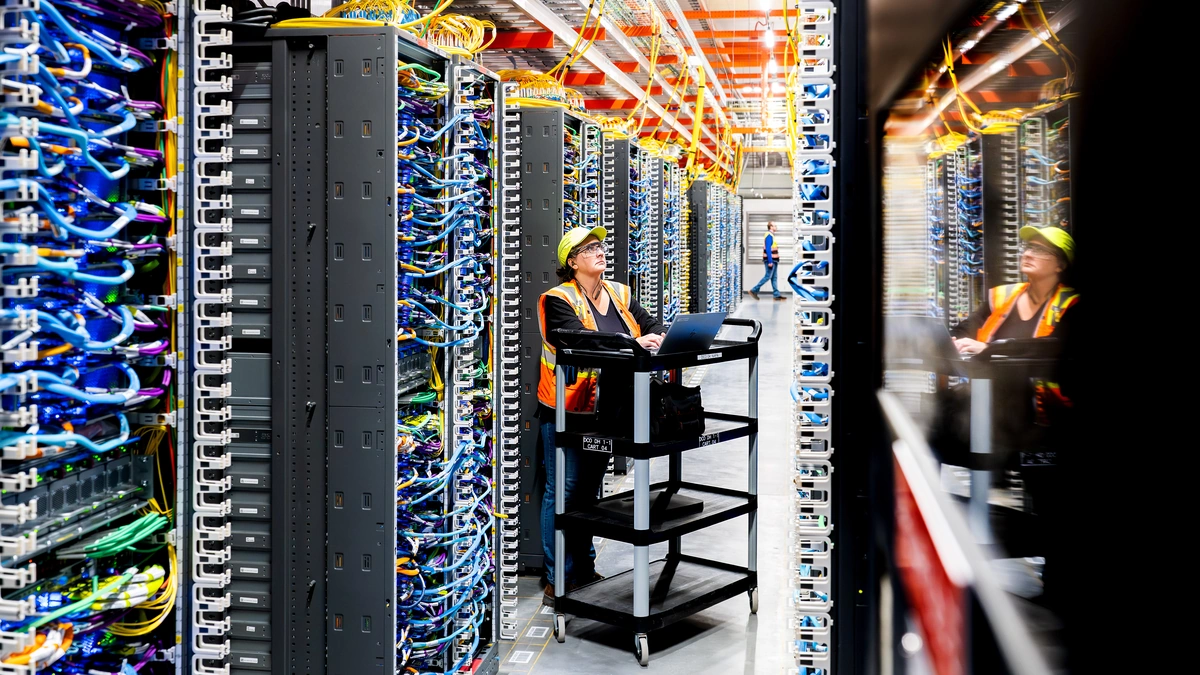
Here’s the thing: we’re living in the age of data. Everything we do – from scrolling through Instagram to making online payments – generates data. All that data needs a place to live, a secure and reliable home. That’s where data centers come in. They are essentially the backbone of the digital economy. Without them, the internet as we know it grinds to a halt. Think of them as giant warehouses, but instead of storing physical goods, they store information.
But why now? Why are companies like Adani investing so heavily in them? Well, several factors are at play.
First, India’s digital transformation is booming. More and more people are coming online, using smartphones, and accessing digital services. This means a massive increase in data generation. And that increased data needs infrastructure.
Second, government policies are encouraging the development of data center infrastructure. The government recognizes the importance of data sovereignty – keeping data within the country’s borders – and is providing incentives for companies to build data centers locally. This policy push is really driving growth. This is why you see so much investment pouring into data storage solutions.
Third, the rise of AI. Google’s $15 billion AI initiative is a HUGE indicator. AI needs massive amounts of data to train its algorithms. All the buzz around generative AI and other machine learning technologies, high-performance computing, and related applications, has driven a boom in demand for processing and storage capabilities. And where does this processing and storing happen? You guessed it, data centers.
The Adani Advantage | More Than Just Money
Now, let’s be honest. Anyone can throw money at a problem. But what makes Adani’s investment particularly interesting? It’s not just the size of the investment; it’s also Adani’s existing infrastructure and expertise.
Adani already has a significant presence in India’s infrastructure landscape, from ports to power plants. This gives them a unique advantage in building and operating data centers. They can leverage their existing resources and relationships to quickly deploy these facilities and offer competitive pricing.
Moreover, Adani has a strong track record of executing large-scale projects. Building a state-of-the-art data center infrastructure requires careful planning, execution, and operational expertise. Adani has demonstrated its ability to deliver on complex projects, making them a credible player in this space.
But, and this is a big but, the competition is fierce. Other major players like Reliance and even international giants are also vying for a piece of the Indian data center pie. So, Adani will need to be strategic in its approach to succeed.
What This Means for You (The Indian Consumer)
Okay, so a big company is building some buildings. Why should you care? Well, the growth of data centers has a direct impact on your digital life.
Firstly, it means faster and more reliable access to digital services. When data centers are located closer to users, it reduces latency – the time it takes for data to travel between your device and the server. This translates to faster loading times for websites, smoother video streaming, and a better overall online experience. Think about finally being able to watch that movie buffer-free!
Secondly, it can lead to lower costs for digital services. As data centers become more efficient and competitive, service providers can pass on those savings to consumers. This could mean lower prices for everything from cloud storage to online gaming.
Thirdly, it enhances data security and privacy. By keeping data within India’s borders, it’s subject to Indian laws and regulations. This provides greater control over how your data is stored and used. In a world where data breaches are becoming increasingly common, this is a significant benefit.
Consider how this also means more job opportunities. Building and maintaining these data storage solutions need skilled labor. It means jobs for engineers, technicians, security personnel, and a whole host of other professionals.
The Future of Data in India | A Glimpse Ahead
So, what does the future hold for data centers in India? I think we are only seeing the beginning. As India’s digital economy continues to grow, the demand for data center infrastructure will only increase. We are likely to see more investment, innovation, and competition in this space. We may also see the emergence of specialized data centers, catering to specific industries like healthcare or finance. It’s going to be an exciting space to watch. What fascinates me is how sustainable these new data centers will be, given India’s commitment to renewable energy.
And, linking this back to the Google AI initiative, it’s a perfect storm. More data centers means more compute power, which allows for more AI development, which in turn drives even more data generation. It’s a virtuous cyclethat could propel India to the forefront of the global AI revolution.
While there are challenges to overcome – things like ensuring reliable power supply and addressing environmental concerns – the opportunities are immense. India has the potential to become a global hub for data centers, attracting investment, creating jobs, and driving innovation. It’s a bold vision, but one that is within reach. The question now is whether Adani and others can execute their plans effectively and capture this opportunity. According to Wikipedia , the growth of the digital economy relies heavily on robust data infrastructure, and India is poised to become a key player.
FAQ About Data Centers and Their Impact
What exactly is a data center?
It’s a dedicated space with infrastructure (servers, networking equipment, cooling, security) for storing, processing, and distributing data and applications.
Why are data centers important for India’s economy?
They underpin the digital economy, enabling e-commerce, online services, and AI development, all of which contribute to economic growth and job creation.
How do data centers impact everyday users like me?
They ensure faster and more reliable access to websites, apps, and streaming services, improving the overall online experience.
Are data centers bad for the environment?
They can consume a lot of energy. However, many modern facilities are adopting sustainable practices (renewable energy, efficient cooling) to minimize their environmental impact.
What is the role of government policy in promoting data centers?
Government incentives and regulations (like data localization laws) can encourage investment in local data center infrastructure.
Who are the major players in the Indian data center market besides Adani?
Reliance, international cloud providers (AWS, Microsoft Azure, Google Cloud), and several other domestic players are all competing for market share.
Ultimately, the story of Adani’s investment is about more than just numbers. It’s about India’s ambition to become a digital powerhouse, its embrace of AI, and its commitment to building a future where technology empowers every citizen. Now that’s something worth talking about.



Leave feedback about this