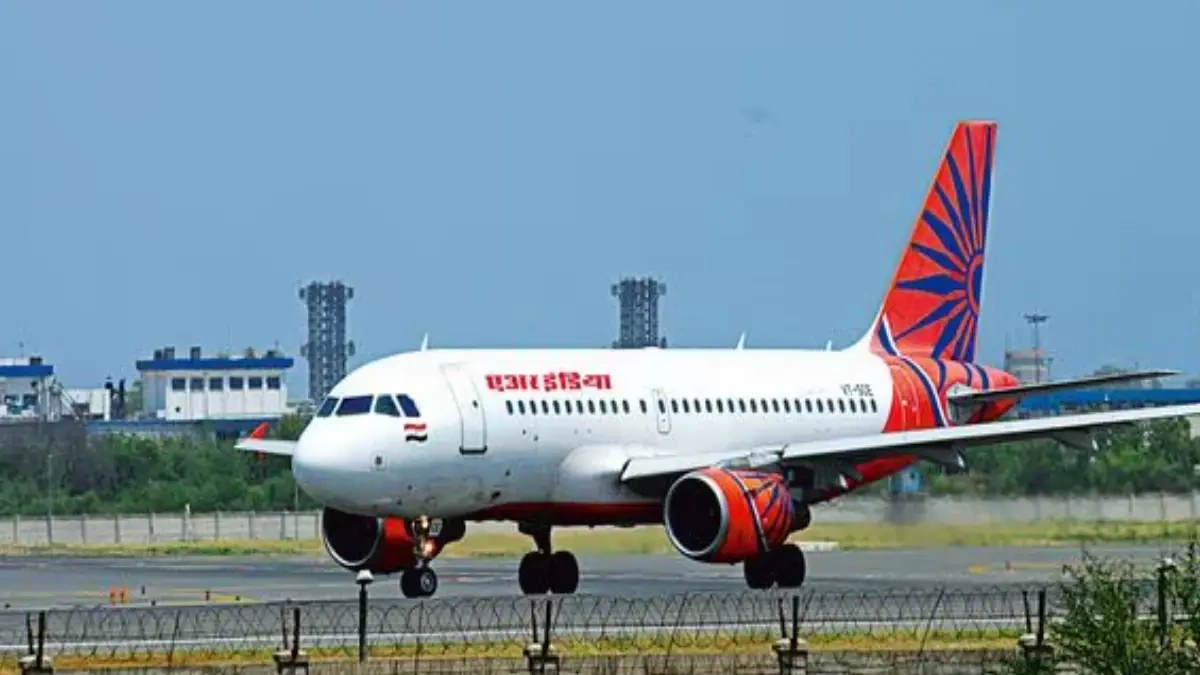
So, the Directorate General of Civil Aviation (DGCA) has announced that software updates are complete for over half of the affected A320 planes in India. That’s… good, right? But let’s be honest, unless you’re an aviation geek or someone who regularly ponders the intricacies of flight control systems (like I sometimes do), it might not immediately grab your attention. Here’s the thing: this isn’t just about some routine tech upgrade. It’s about safety, passenger confidence, and the smooth operation of a massive chunk of India’s air travel network.
Why These A320 Planes Updates Matter – Beyond the Headline

Okay, let’s dive deeper. Why does this A320 family aircraft software update even exist? Aircraft, especially modern ones like the A320, are essentially flying computers. They rely on complex software to control everything from engine performance to navigation and flight stability. Like any software, bugs can pop up. And in aviation, a bug isn’t just a minor annoyance; it can have serious consequences.
The specific nature of the software update isn’t always publicly detailed (for obvious security reasons), but generally, these updates address potential vulnerabilities, improve system performance, and ensure compliance with the latest safety regulations. Think of it like getting a crucial security patch for your phone – you might not notice the difference immediately, but it’s working in the background to protect you. Furthermore, this ties into the airworthiness directives issued by aviation authorities, which are mandatory instructions for aircraft maintenance and updates.
And , the speed and thoroughness with which airlines implement these updates are critical. The DGCA’s announcement signifies a commitment to maintaining the highest safety standards in Indian aviation. A delay could lead to potential operational disruptions or, in a worst-case scenario, increase the risk of incidents. That’s why this seemingly technical news is actually quite reassuring for anyone who flies regularly in India.
The Ripple Effect of Smooth Operations
The A320 family is a workhorse of Indian aviation. Airlines like IndiGo and GoAir (now Go First, though currently facing challenges) rely heavily on these aircraft for their domestic and international routes. Software updates completed on time mean fewer potential delays, fewer cancellations, and a smoother travel experience for millions of passengers.
But consider the impact on the broader economy. Tourism, business travel, and cargo transport all depend on reliable air connectivity. Any disruption to A320 operations could have a knock-on effect, impacting various sectors. So, while the software update itself might seem like a small detail, it’s a vital cog in the machine that keeps India’s economy moving. Think of it as preventative medicine for the aviation industry .
What Happens If Updates Aren’t Done?
That’s the question nobody wants to answer directly, right? Airlines operate under incredibly strict regulations. If these updates aren’t completed as mandated by the DGCA (or other relevant aviation authorities globally), the aircraft simply aren’t allowed to fly. It’s that simple. This is all part of aviation safety regulations. This isn’t just about paperwork; it’s about ensuring that every aircraft meets the required safety standards before it takes to the skies.
The consequences of non-compliance can range from fines and operational restrictions to, in extreme cases, the grounding of entire fleets. That’s why airlines prioritize these updates and work closely with manufacturers and regulatory bodies to ensure they’re completed on time. The cost of non-compliance far outweighs the cost of the update itself.
Let me rephrase that for clarity: The alternative isn’t just a slightly bumpy flight; it’s potentially catastrophic. Therefore, the DGCA’s announcement signals that Indian airlines are taking their responsibilities seriously.
Airlines’ Operational Efficiency
Beyond immediate safety concerns, these updates often include performance enhancements that can improve fuel efficiency, reduce emissions, and extend the lifespan of the aircraft. For airlines operating in a highly competitive market, these marginal gains can make a significant difference to their bottom line. So, software updates aren’t just about safety; they’re also about efficiency and sustainability.
What fascinates me is how airlines manage to implement these complex updates without causing widespread disruption to their schedules. It requires careful planning, coordination with maintenance teams, and a willingness to invest in the latest technology. This is where concepts like aviation maintenance programs come into play, ensuring that aircraft are regularly inspected and updated.
And , the DGCA plays a crucial role in overseeing these processes and ensuring that airlines comply with the highest standards of operational excellence. Their oversight helps to maintain public trust in the safety and reliability of Indian aviation .
Looking Ahead | Continuous Improvement in Aviation
The aviation industry is constantly evolving. New technologies, new regulations, and new challenges emerge all the time. Software updates are just one aspect of this ongoing process of continuous improvement. As aircraft become more complex and interconnected, the importance of robust software and timely updates will only increase.
In the future, we can expect to see even more sophisticated software solutions that enhance safety, improve efficiency, and provide passengers with a better travel experience. Artificial intelligence, machine learning, and data analytics are already playing a role in areas such as predictive maintenance and flight optimization. These emerging technologies will transform the aviation industry in profound ways.
What fascinates me is the potential for these technologies to create a truly seamless and personalized travel experience. Imagine a future where flights are automatically optimized for fuel efficiency, where maintenance issues are detected and resolved before they even occur, and where passengers can customize their in-flight entertainment and comfort settings. That future may be closer than we think.
FAQ About A320 Software Updates
What happens if an airline doesn’t comply with the DGCA’s software update directives?
Non-compliance can lead to fines, operational restrictions, or even grounding of the aircraft.
Are these software updates only for safety, or do they improve performance too?
Often, updates include performance enhancements, improving fuel efficiency and reducing emissions.
How often are these A320 planes software updates typically released?
The frequency varies depending on the specific aircraft model and the nature of the updates, but they are generally released as needed to address safety or performance issues.
Is there a way for passengers to know if the A320 family aircraft they are flying on has the latest software?
Passengers don’t typically have access to this information directly, but airlines are required to maintain records of all maintenance and updates, which are subject to regulatory oversight.
Does this affect all Indian airlines that use A320 aircraft?
Yes, the DGCA’s directives apply to all Indian airlines operating A320 aircraft.
Ultimately, the DGCA’s announcement regarding the A320 planes software updates serves as a reminder of the complex and interconnected nature of modern aviation. It’s a testament to the commitment of airlines, manufacturers, and regulatory bodies to ensuring the safety and reliability of air travel. And while it might not be the most exciting headline, it’s a crucial piece of the puzzle that keeps us all safely soaring through the skies.



Leave feedback about this