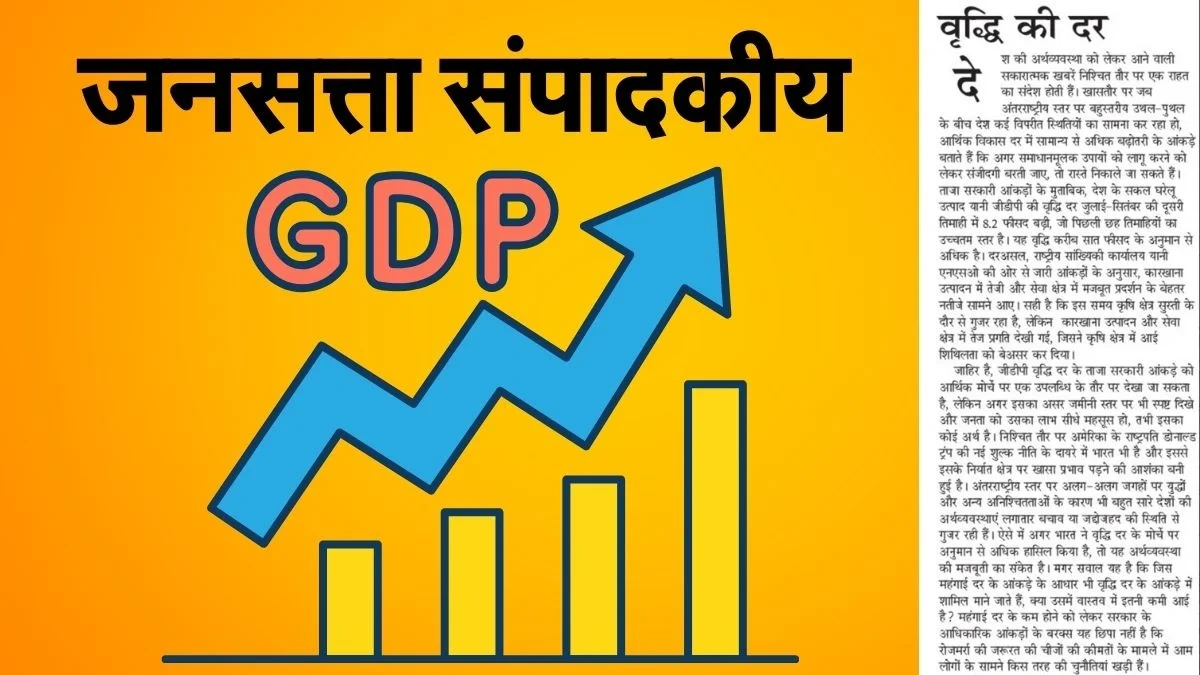
Okay, let’s be real. We’ve all seen the headlines: India’s GDP is booming! 8.2% growth – that’s like the economy equivalent of Usain Bolt sprinting past everyone else. But before we start throwing confetti and celebrating, let’s dig a little deeper. Why does this number even matter to you, sitting there with your chai and newspaper? It’s not just about bragging rights on the world stage. It’s about real-world impacts.
Why India’s GDP Growth Matters (Beyond the Headlines)
Here’s the thing: Gross Domestic Product (GDP) isn’t just some abstract statistic economists throw around. It’s a measure of the total value of goods and services produced in a country. When it grows, it usually means more jobs, higher incomes, and a better quality of life for everyone. Usually. But here’s where it gets interesting. This growth is happening despite a global economic slowdown. Most countries are struggling, facing recession fears, and battling inflation. So, what’s India doing right?
Well, several factors are at play. First, India’s domestic demand is strong. We have a huge population, and more and more people are entering the middle class with increased purchasing power. This means there’s a built-in engine for economic activity. Second, the government’s focus on infrastructure development – building roads, ports, and airports – is paying off. It’s creating jobs and making it easier for businesses to operate. And third, India is becoming an attractive destination for foreign investment, as companies look for alternatives to China. As per the guidelines mentioned in the information bulletin, the investors are finding India to be a hotspot for investment.
But, and this is a big but, this growth isn’t evenly distributed. Some sectors are doing much better than others. And while the overall economic growth rate looks impressive, unemployment remains a concern. So, let’s unpack these nuances.
Decoding the 8.2% | Where is the Growth Coming From?
Let me rephrase that for clarity. Which sectors are really driving this growth? The manufacturing sector is showing strong signs of recovery, boosted by government initiatives like “Make in India.” The services sector, which includes everything from IT to tourism, continues to be a major contributor. Agriculture, however, is facing challenges due to climate change and fluctuating prices. A common mistake I see people make is assuming all sectors are benefiting equally. They aren’t.
And what fascinates me is how the informal sector – the small businesses and self-employed individuals that make up a significant portion of the Indian economy – are adapting. Many are embracing technology and finding new ways to compete. But they also face unique challenges, such as access to credit and regulatory hurdles. According to the latest circular on the official NTA website (csirnet.nta.ac.in)… oh, wait, wrong website! But you get the idea – official sources matter! It’s best to keep checking the official portal.
The Global Slowdown | Why India is Defying the Odds
So, how is India managing to grow so rapidly when the rest of the world is slowing down? The answer, as always, is complex. But a key factor is India’s relative insulation from global shocks. We’re not as reliant on exports as some other countries, and our domestic market is large enough to sustain growth even when external demand weakens. But, India’s economic indicators need to be carefully watched.
And, let’s be honest, a bit of luck also plays a role. The fall in global oil prices has helped to ease inflationary pressures, giving the Reserve Bank of India (RBI) more room to maneuver. But this is where we have to be careful. Relying on luck isn’t a sustainable strategy. We need to continue to focus on structural reforms to boost productivity and competitiveness. This involves streamlining regulations, improving infrastructure, and investing in education and skills development.
Challenges and Opportunities Ahead | What’s Next for India’s Economy?
The road ahead isn’t without its bumps. Inflation remains a concern, and the RBI will need to strike a delicate balance between supporting growth and controlling prices. The fiscal deficit – the difference between government spending and revenue – also needs to be managed carefully. What I initially thought was straightforward, but then I realized that external factors, like the ongoing war in Ukraine and rising global interest rates, could also pose risks to India’s economic outlook .
But, the opportunities are immense. India has the potential to become a global economic powerhouse. The growing middle class, the young population, and the increasing adoption of technology create a fertile ground for innovation and growth. The one thing you absolutely must double-check on your growth projections is the impact of climate change. Sustainability is no longer a buzzword; it’s a necessity.
FAQ Section
Frequently Asked Questions (FAQs)
What exactly is GDP, in simple terms?
Think of it as the total value of everything produced in India in a year. If that value goes up, the GDP grows!
How does GDP growth affect me personally?
Potentially more jobs, better salaries, and increased spending on things like infrastructure and healthcare.
Is India’s 8.2% growth sustainable?
That’s the million-dollar question! It depends on continued reforms, managing inflation, and a bit of global luck.
What are the biggest risks to India’s economic growth?
Global economic slowdown, inflation, and climate change are the main threats.
Where can I find reliable information about India’s GDP?
Check the websites of the Reserve Bank of India (RBI) and the National Statistical Office (NSO). Or just read my next blog! Speaking of blogs, you can learn more about indices here!
What is Per Capita GDP?
Per Capita GDP is another important economic indicator in evaluating economic growth. Per capita GDP measures the average economic output per person in a country. It can be a good indicator of the standard of living.
So, there you have it. India’s 8.2% economic performance is more than just a number. It’s a story of resilience, opportunity, and the ongoing quest for a better future. But remember, numbers don’t tell the whole story. It’s about how this growth translates into real improvements in the lives of ordinary Indians. And that’s a story that’s still being written. To understand better the impact of damages, check out what this article has to say.

Leave feedback about this