So, the Sensex and Nifty are scaling new peaks, huh? Another week, another record broken. But let’s be honest, just reading the headlines doesn’t tell you the why behind the what. This isn’t just about numbers flashing on a screen; it’s about understanding the deeper currents shaping India’s economic story. What’s driving this relentless surge, and more importantly, how does it affect you?
The ‘Modi Factor’ and Market Sentiments
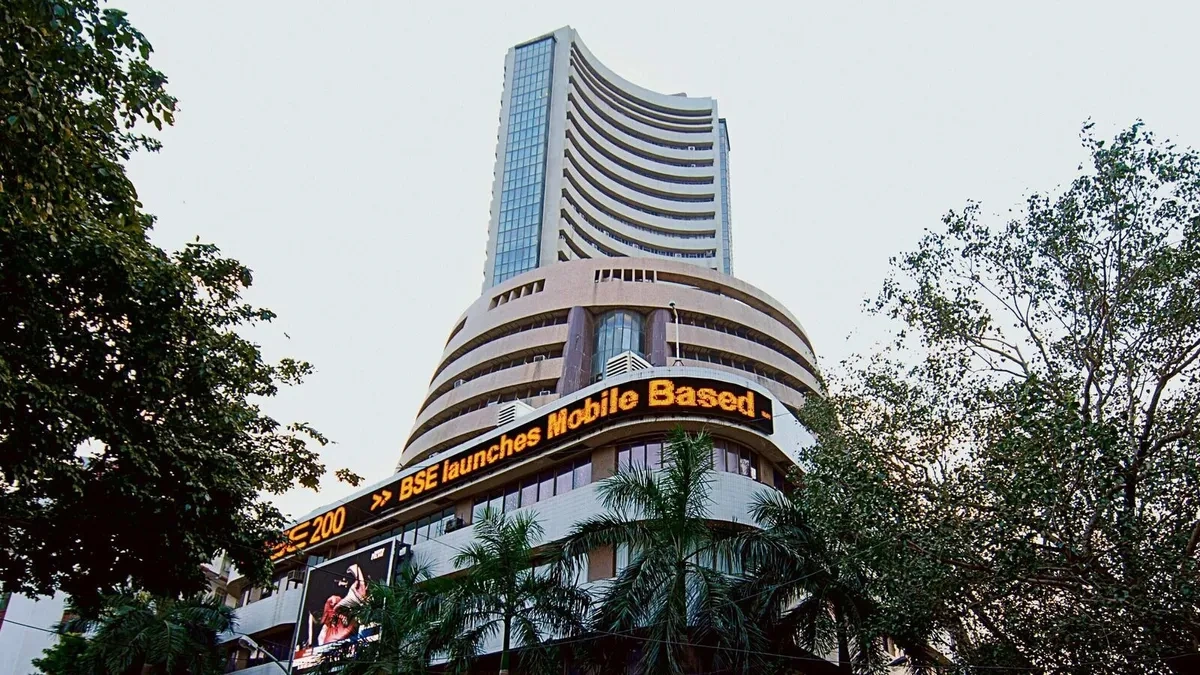
Okay, let’s address the elephant in the room: the “Modi factor”. With the recent election results showing a strong mandate for continued governance, the markets have interpreted this as a sign of stability and policy continuity. And, honestly, that’s a big deal. See, investors hate uncertainty more than anything else. They crave predictability. This perceived stability translates into a rush of both domestic and foreign investment. People are confident about the future, and when people are confident, they invest. It’s a self-fulfilling prophecy to some extent. One of the key factors is expectation of policy continuity regarding India’s economic growth .
Think of it like this: you’re more likely to start a business or expand your existing one if you believe the government will maintain a business-friendly environment, right? Same goes for the big investors. They see potential for growth and they want to be a part of it.
Decoding the Rally | Beyond the Headlines
But, here’s the thing: it’s not just about the elections. The rally’s been building for weeks, driven by a confluence of factors. We’re talking about strong corporate earnings. Many Indian companies have reported impressive profits, signaling a recovery in various sectors. This isn’t just limited to IT giants; smaller and mid-sized companies are also showing promising growth. This is extremely encouraging because it means that the economic growth is distributed and not limited to just a few big players. Keep your eye on domestic manufacturing in India to see if they continue with the positive trend.
Plus, global cues are playing a role. A stable global economy, coupled with positive sentiments in other major markets, is creating a favorable environment for emerging markets like India. And, of course, let’s not forget the easing of inflation. While it’s still a concern, the Reserve Bank of India (RBI) has managed to keep inflation somewhat in check, boosting investor confidence. Inflation is one of those silent killers that can sneak up on you, so keeping it under control is crucial for sustained economic growth.
Navigating the Markets | A Word of Caution
Now, before you rush off to invest your life savings, a word of caution: what goes up must eventually come down. The market can’t keep climbing indefinitely. There will be corrections, pullbacks, and periods of consolidation. That’s just the nature of the beast. In fact, a healthy market needs these corrections to avoid overheating and becoming unsustainable. A common mistake I see people make is chasing the rally, buying high and selling low. That’s a recipe for disaster. Instead, focus on long-term investing, diversify your portfolio, and don’t panic sell during market dips. It might be wise to keep an eye on the rupee impact as the Sensex continues to rise.
And remember, past performance is not indicative of future results. Just because the Sensex and Nifty have been on a tear doesn’t mean they’ll continue to do so. Be realistic about your expectations, do your research, and consult a financial advisor before making any major investment decisions. Seriously, don’t just listen to some random guy on the internet (even if he is pretty insightful!).
The Road Ahead | What to Watch For
So, what’s next? What should you be paying attention to? Keep an eye on global economic trends, especially interest rate decisions by the US Federal Reserve. These decisions can have a significant impact on emerging markets. Also, watch for any major policy changes by the Indian government. Any unexpected announcements could trigger market volatility. And, of course, keep a close watch on corporate earnings. Continued strong performance will be crucial for sustaining the rally. Let me rephrase that for clarity: If businesses continue to prosper, the market will likely follow suit.
FAQ Section
Frequently Asked Questions
What exactly is the Sensex?
The Sensex is the benchmark index of the Bombay Stock Exchange (BSE), comprising the 30 largest and most actively traded stocks. It’s a key indicator of the overall health of the Indian stock market.
What factors influence the Sensex?
Many things can impact the Sensex , including economic growth, corporate earnings, global events, government policies, and investor sentiment.
Is it a good time to invest in the market now?
That depends on your individual circumstances and risk tolerance. While the market is currently at record highs, it’s important to do your research and consult a financial advisor before making any investment decisions.
What if I am new to investing?
If you’re new to investing, start small and focus on building a diversified portfolio. Consider investing in mutual funds or ETFs, which offer a more diversified approach. Seek guidance from a financial advisor.
How can I stay updated on market trends?
Follow reputable financial news sources, read market analysis reports, and consult with a financial advisor to stay informed about market trends.
What are some risks associated with investing in the stock market?
The stock market can be volatile, and there is always the risk of losing money. Other risks include inflation, interest rate changes, and political instability.
Ultimately, the Sensex hitting record highs is more than just a number. It’s a reflection of India’s growing economic confidence and potential. But, it’s crucial to approach the market with a healthy dose of realism and a long-term perspective. Don’t get caught up in the hype; focus on building a solid financial foundation. And, who knows, maybe you’ll be part of the next big rally. What fascinates me is how ordinary people in India are participating more and more in the stock market now, creating a truly democratic and diverse marketplace.


Leave feedback about this