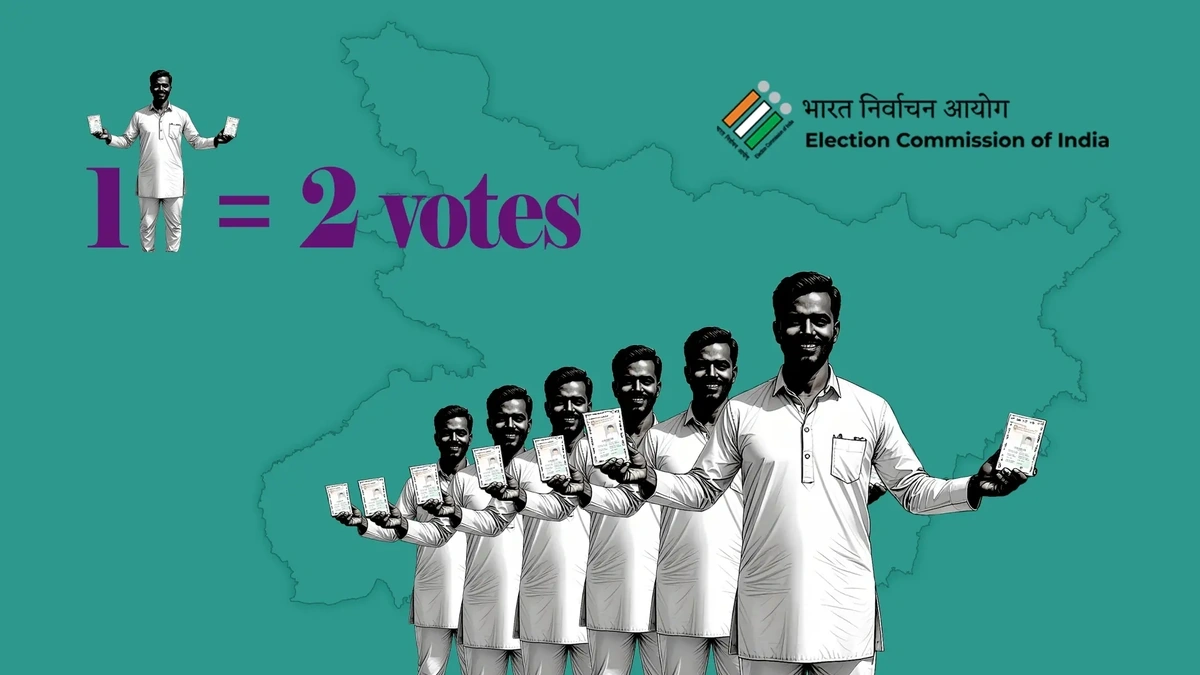
Ever heard the term ” double vote ” floating around and wondered what it actually signifies? It’s not just a simple term; it carries weight, especially in the context of fair elections and preventing fraud. Let’s be honest, the idea of someone voting twice can feel a bit like a plot from a political thriller. But what are the actual implications and how does it affect the average voter? I’m here to break it down for you, step by step.
Why Is Double Voting Such a Big Deal?
So, why is everyone so concerned about the integrity of the electoral process? Well, it boils down to the principle of “one person, one vote.” This bedrock of democracy ensures that every eligible citizen gets an equal say. A double vote effectively nullifies someone else’s legitimate vote. Imagine spending hours researching candidates, finally making your choice, and then finding out that someone else’s vote was counted twice. Frustrating, right? What fascinates me is the sheer complexity of maintaining this balance in a country as diverse as India. A common mistake I see people make is underestimating the impact a single fraudulent vote can have in a close election. According to election commission guidelines, robust measures are in place to prevent such irregularities, but let’s dive deeper into how these systems work and where vulnerabilities might exist.
But the real kicker? It erodes public trust in the entire system. If people start believing that elections are rigged or susceptible to fraud – like ballot box stuffing – they’re less likely to participate, leading to a decline in civic engagement. That’s a slippery slope no democracy wants to travel.
The Technicalities: How Double Voting Happens (And How It’s Prevented)
Here’s the thing: double voting isn’t always malicious. Sometimes, it’s a genuine mistake. Someone might move to a new constituency and, out of habit, try to vote in their old location. Or they might not realize their name is still on the electoral roll in two different places. Let me rephrase that for clarity: it’s less about intentional wrongdoing and more about systemic oversights.
The Election Commission of India (ECI) has put various mechanisms in place to combat this. Voter IDs, electronic voting machines (EVMs), and indelible ink are all part of the arsenal. According to the latest ECI guidelines, strict verification processes are followed at polling booths to ensure that only registered voters cast their votes. However, the effectiveness of these measures hinges on accurate data and vigilant enforcement. The biggest hurdle to overcome is voter impersonation and preventing individuals from exploiting loopholes within the system. Election probe
The Role of Technology and Voter Awareness
Technology plays a crucial role in modern elections, and it’s also vital in preventing fraudulent activities. But technology alone isn’t a silver bullet. What truly fascinates me is how voter awareness campaigns can significantly reduce unintentional double voting. Informing people about the importance of updating their voter registration details, and educating them about the consequences of electoral fraud can foster a more responsible electorate.
So, think about it. Imagine a future where every voter is not just informed but also actively engaged in safeguarding the integrity of the electoral process. It’s a collaborative effort that demands participation from everyone, not just the government and election authorities.
Consequences of Double Voting
Okay, let’s talk about the legal side of things. Double voting isn’t just a faux pas; it’s a crime. According to the Indian Penal Code, anyone found guilty of electoral fraud, including double voting, can face imprisonment and hefty fines. The severity of the punishment depends on the scale and intent of the fraud. But, here’s the catch: proving intent can be tricky. It’s often difficult to distinguish between a genuine mistake and a deliberate attempt to manipulate the system. This is where the expertise of election observers and investigators comes into play.
But, honestly, the consequences go beyond legal penalties. A conviction for electoral fraud can tarnish someone’s reputation, impacting their career and social standing. It’s a high price to pay for trying to game the system.
The Future of Fair Elections: What Lies Ahead?
So, what’s next? How can we further strengthen the integrity of our elections and prevent double voting? Well, for starters, continuous updates to the electoral roll are essential. Regular audits and verification processes can help identify and remove duplicate entries. Exploring biometric authentication methods, such as fingerprint or iris scanning, could provide an additional layer of security. Let me rephrase that: focusing on innovative technologies and proactive measures is the key to ensuring fair and transparent elections in the future.
But here’s the thing, it requires a collective effort. Governments, election authorities, political parties, and individual voters must work together to safeguard the democratic process. Only then can we build a system that is truly representative and worthy of public trust. As per the election laws , stricter penalties might be needed to act as a deterrent for intentional wrongdoers.
FAQ: Your Questions About Double Voting Answered
What if I accidentally registered in two different locations?
Contact the Election Commission immediately and request the deletion of your name from the incorrect roll.
What happens if I move to a new city right before an election?
You can only vote in the constituency where you are registered. If you haven’t updated your registration, you’ll have to vote in your previous location.
What if I suspect someone of double voting?
Report your suspicions to the Election Commission with as much evidence as possible.
Can I check my voter registration status online?
Yes, the Election Commission provides online portals where you can check your registration status using your Voter ID or other details.
What is electoral roll verification and why is it important?
Electoral roll verification is the process of checking and updating the voter list to ensure accuracy and remove duplicates. It’s crucial for preventing fraudulent voting and maintaining the integrity of elections.
How does the Electronic Voting Machine (EVM) help prevent double voting?
EVMs are programmed to only allow one vote per registered voter. They also record each vote electronically, making it difficult to tamper with or duplicate votes.
In the end, it’s about understanding that our vote isn’t just a right; it’s a responsibility. And ensuring that the system remains fair and transparent is everyone’s job, not just someone else’s. That’s the real takeaway here.


Leave feedback about this