
Alright, let’s talk domestic manufacturing – not just the headlines, but the real deal. You see initiatives popping up left and right, but what do they actually mean for you, for businesses here in India, and for the long-term economic landscape? That’s what we’re diving into.
Decoding the Push for Make in India
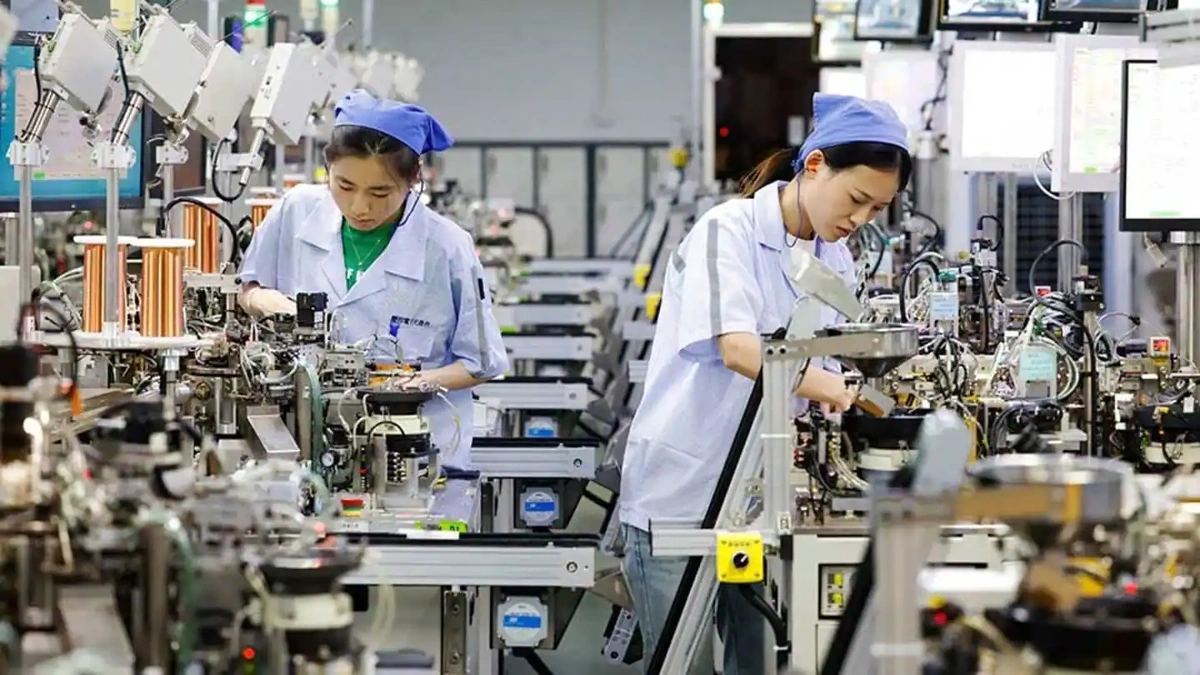
Everyone’s talking about “Make in India,” but it’s more than just a slogan. It’s a serious, multifaceted push to transform India into a global manufacturing hub. But, like, why now? What’s driving this urgency? The answer is a combination of factors. Firstly, there’s the sheer size of the Indian market. We’re a massive consumer base, and increasingly, we want products made here. Secondly, there’s a growing recognition that a strong manufacturing sector is crucial for job creation and economic resilience. We can’t just rely on services; we need to build things, create things, and export things. This is essential for economic growth.
And thirdly – and this is where things get interesting – there’s a strategic element. A robust domestic manufacturing sector reduces our reliance on imports, making us less vulnerable to global supply chain disruptions and geopolitical risks. Think about it: during the pandemic, we saw firsthand how quickly things can go south when you’re dependent on other countries for essential goods. As per Invest India , initiatives are designed to make India a self-reliant nation.
I initially thought this was a simple case of promoting local industries, but the more I dug in, the more I realized it’s about securing our economic future.
Unpacking the “Ease of Business” Angle
Here’s the thing: you can have the best intentions and the most ambitious policies, but if it’s a nightmare to actually do business in India, nothing’s going to happen. This is where the “ease of business” component comes in. Let’s be honest: for decades, India was notorious for its red tape, bureaucratic hurdles, and complex regulatory environment. It was a minefield for entrepreneurs and a major deterrent for foreign investors.
What fascinates me is how much things have changed. The government has been actively working to streamline processes, reduce compliance burdens, and create a more transparent and predictable business environment. They’re using technology to simplify things, digitize paperwork, and speed up approvals. But it’s not just about cutting red tape; it’s about fostering a culture of trust and collaboration between the government and the private sector. This creates a favorable investment climate.
According to the World Bank, India has made significant strides in improving its “Ease of Doing Business” ranking in recent years. While there’s still work to be done, the progress is undeniable. Stock Market Rebound showcases India’s growing economy.
Sector-Specific Strategies | A Closer Look
The push for domestic manufacturing isn’t a one-size-fits-all approach. The government is implementing sector-specific strategies tailored to the unique needs and challenges of different industries. For example, there are targeted incentives and support programs for electronics manufacturing, pharmaceuticals, textiles, and automotive components. What fascinates me is the diverse range of initiatives and policies and their impact on industrial development.
These strategies often involve things like production-linked incentives (PLIs), which reward companies for increasing their domestic production, and schemes to promote research and development. They also focus on improving infrastructure, such as roads, ports, and power supply, to make it easier for manufacturers to operate and compete globally. One common mistake I see people make is underestimating the importance of infrastructure. You can have the best technology and the most skilled workforce, but if you can’t get your products to market efficiently, you’re dead in the water.
Challenges and the Road Ahead
Let’s be real: the journey towards a strong and competitive domestic manufacturing sector isn’t going to be a cakewalk. There are still significant challenges to overcome. One of the biggest is the need to improve our skills base. We have a large workforce, but many lack the technical skills required for modern manufacturing. We need to invest more in vocational training and education to bridge this gap. Moreover, embracing technological advancement is a must.
Another challenge is access to finance, especially for small and medium-sized enterprises (SMEs). Many SMEs struggle to get the loans and credit they need to invest in new equipment and expand their operations. The government needs to find ways to make it easier for SMEs to access finance. It’s best to keep checking the official portal for updates on government initiatives.
And then there’s the issue of global competition. We’re not just competing with other developing countries; we’re competing with established manufacturing powerhouses like China and Germany. We need to up our game in terms of quality, innovation, and cost-competitiveness if we want to succeed. In addition, Foxconn OpenAI AI Manufacturing provides valuable insights into the future of manufacturing.
The Bottom Line | Opportunity Knocks
Despite the challenges, the opportunities are immense. India has the potential to become a major global manufacturing hub, creating millions of jobs and driving economic growth. But it’s going to take a concerted effort from the government, the private sector, and individuals like you and me. We need to embrace innovation, invest in skills, and create a business environment that is truly conducive to growth. The policies supporting industrial competitiveness need to be implemented effectively. The next decade will be crucial.
FAQ Section
Frequently Asked Questions
What exactly is “Make in India”?
It’s a government initiative to encourage domestic manufacturing and investment in India, aiming to transform the country into a global manufacturing hub.
How does “ease of business” help manufacturing?
It simplifies regulations, streamlines processes, and reduces bureaucratic hurdles, making it easier for businesses to set up and operate in India.
What are production-linked incentives (PLIs)?
PLIs are incentives given to companies for increasing their domestic production, encouraging them to manufacture more in India.
What are the main challenges facing domestic manufacturing in India?
Key challenges include improving skills, access to finance for SMEs, and global competition.
How can I benefit from these initiatives as a small business owner?
Look for government support programs, incentives, and schemes tailored to your sector, and focus on improving your skills and competitiveness.



Leave feedback about this