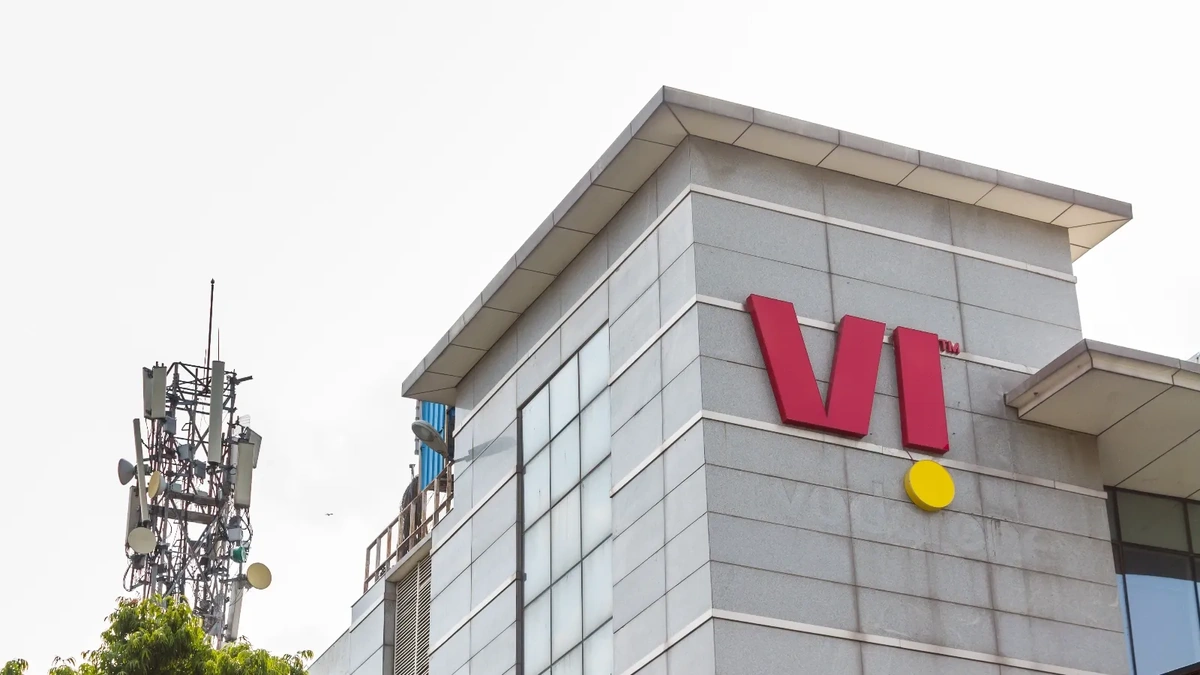
Okay, let’s talk about Vodafone Idea (Vi). It’s not just another telecom company; it’s a story of ambition, debt, and the ever-evolving landscape of India’s mobile connectivity. And right now, the buzz is all about a potential government relief package. But here’s the thing – why should we care? Why does the fate of one telecom company matter so much to the average Indian?
That’s the question we’re diving into. Forget the dry financial reports and corporate jargon. We’re going to break down the why behind this potential bailout, what it means for you, and what it reveals about the delicate balance of India’s telecom sector. I initially thought this was just another business story, but then I realized it’s about something much bigger: the future of how we connect.
Why Vodafone Idea Matters | More Than Just Calls

Let’s be honest, most of us take our mobile connectivity for granted. We expect seamless calls, lightning-fast data, and uninterrupted access to everything from WhatsApp to online banking. But behind that convenience lies a complex infrastructure, and telecom companies like Vodafone Idea are the backbone of it all. If Vi were to collapse, it wouldn’t just be a corporate failure; it could trigger a ripple effect across the entire sector.
Here’s why: Fewer players mean less competition. Less competition often translates to higher prices and potentially lower quality service for consumers. Imagine a scenario where only two major players dominate the market – they could dictate terms, and we’d have little choice but to accept them. That’s why the government is stepping in – to maintain a healthy level of competition and protect consumer interests. The government is also trying to limit potential losses to other sectors.
But it’s not just about competition. Vi also holds a significant amount of spectrum, the invisible airwaves that carry our mobile signals. If Vi goes under, what happens to that spectrum? It could end up concentrated in the hands of a few players, further exacerbating the issue of market dominance.
The Debt Burden | A Mountain Too High to Climb?
Now, let’s talk about the elephant in the room: Vi’s massive debt . We’re talking about a staggering amount of money owed to banks and the government. How did they get into this mess? A combination of factors, including aggressive competition, regulatory challenges, and the infamous adjusted gross revenue (AGR) dues. The AGR issue, in particular, dealt a severe blow to Vi’s finances.
The AGR case stems from a dispute over how telecom companies should calculate their revenue, on which they pay license and spectrum fees to the government. The Supreme Court ruled against the telecom companies, leaving them with huge outstanding dues. For Vi, this was a crippling blow, adding billions to their already substantial debt. It’s the kind of financial pressure cooker that makes even the most seasoned business leaders sweat.
What Could the Relief Package Look Like?
So, what kind of relief is the government considering? Several options are on the table, including converting debt into equity, providing moratoriums on payments, and reducing levies and taxes. The goal is to give Vi some breathing room to restructure its finances, invest in its network, and compete effectively in the market. It’s like giving a struggling athlete a much-needed energy boost to finish the race. The conversion of debt into equity would allow the government to have a significant stake in the company.
One thing I’ve been thinking about is the potential impact on taxpayers. Will this relief package be funded by our hard-earned money? That’s a valid concern, and it’s important for the government to be transparent about the terms of the bailout and how it will benefit the public in the long run. It’s a delicate balancing act – supporting a crucial industry while ensuring responsible use of taxpayer funds.
The Long Game | A Sustainable Future for Indian Telecom
This isn’t just about saving one company; it’s about creating a sustainable future for the entire Indian telecom sector. We need a vibrant and competitive market that fosters innovation, drives down prices, and provides high-quality service to consumers. And that requires a level playing field where all players have a fair chance to succeed. Ensuring affordable mobile data plans and widespread network coverage is crucial for India’s continued economic growth and social development.
What fascinates me is how this situation highlights the complex relationship between the government, businesses, and consumers. It’s a reminder that economic policy isn’t just about numbers and charts; it’s about real people, their livelihoods, and their access to essential services. And in today’s digital age, mobile connectivity is undoubtedly an essential service.
The government’s decision on the Vi relief package will have far-reaching consequences, shaping the future of India’s telecom landscape for years to come. It’s a story worth watching closely, because it touches all of us. To keep up with the news, check here .
FAQ Section
What happens if Vodafone Idea collapses?
If Vodafone Idea collapses, it could lead to reduced competition in the telecom sector, potentially resulting in higher prices and lower service quality for consumers. Additionally, it could impact the banking sector due to Vi’s significant debt.
What is the adjusted gross revenue (AGR) issue?
The AGR issue is a dispute over how telecom companies should calculate their revenue for the purpose of paying license and spectrum fees to the government. A Supreme Court ruling against the telecom companies resulted in significant outstanding dues, particularly impacting Vodafone Idea.
What options are being considered in the relief package?
The government is considering options such as converting debt into equity, providing moratoriums on payments, and reducing levies and taxes to help Vodafone Idea restructure its finances.
How will the relief package affect taxpayers?
The impact on taxpayers depends on how the relief package is funded. Transparency from the government is needed to ensure responsible use of taxpayer funds and demonstrate the long-term benefits of supporting the telecom sector.
What is the government’s goal in providing relief?
The government aims to maintain a healthy level of competition in the telecom sector, protect consumer interests, and ensure the continued provision of essential mobile connectivity services.
Leave feedback about this