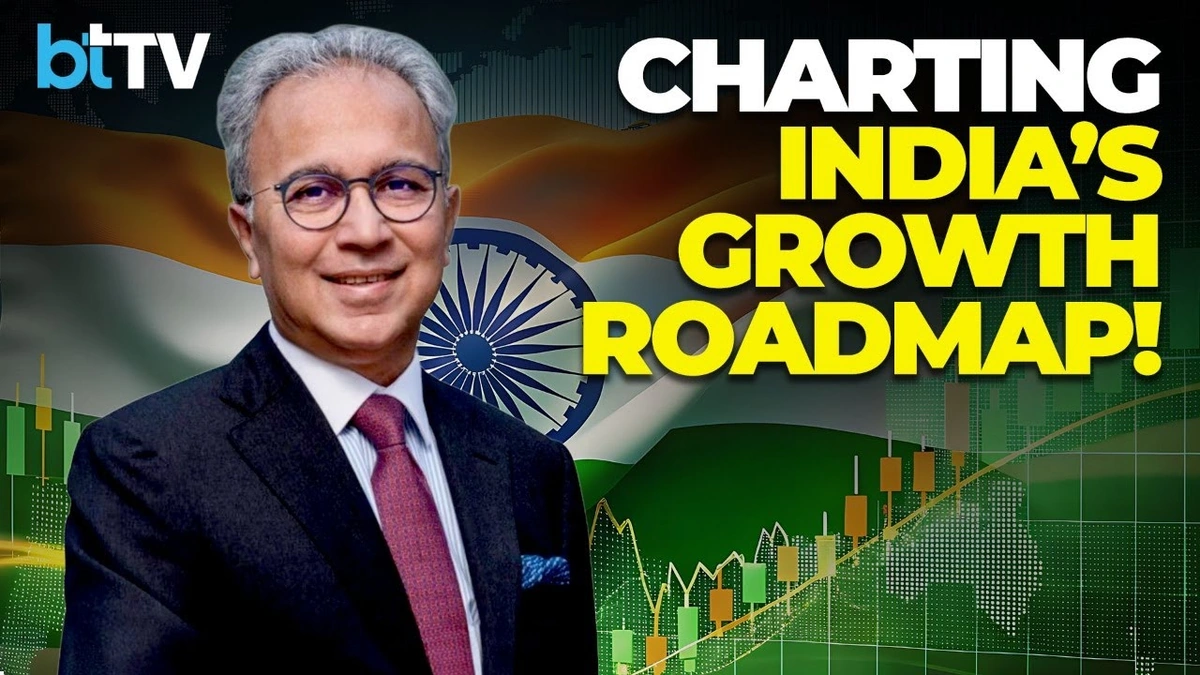
The global economy is throwing curveballs left and right, isn’t it? Recession fears, inflation spikes, supply chain snags – you name it, we’ve seen it. But amidst all this global uncertainty, there’s a beacon of relative stability: India. The IMF keeps saying India’s growth outlook is strong, and it’s easy to just nod along. But let’s be honest, what does that really mean for you and me? Why should we care?
Here’s the thing: these economic forecasts aren’t just abstract numbers. They translate into real-world consequences – job opportunities, investment prospects, and the overall feeling of whether things are getting better or worse. So, let’s unpack the IMF’s assessment and see what’s really going on under the hood of the Indian economy.
Decoding the IMF’s Optimism | What’s Fueling India’s Growth?
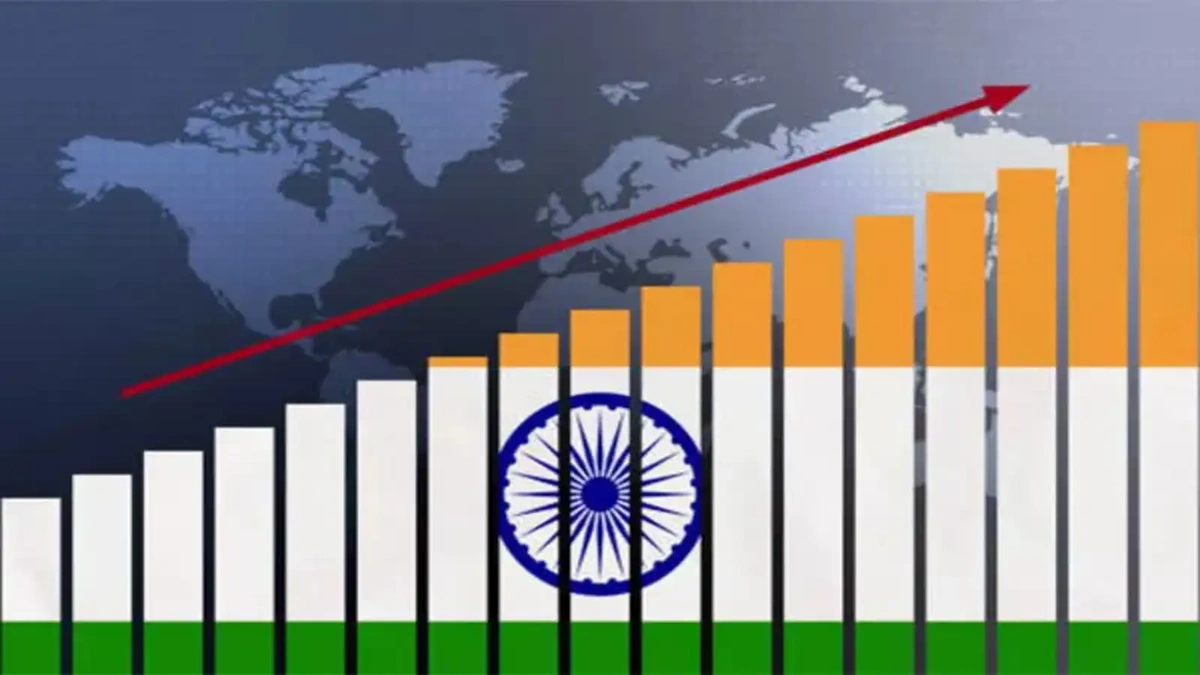
Okay, first things first: why is the IMF so bullish on India, even when the rest of the world seems to be teetering on the edge? It boils down to a few key factors. For starters, India’s domestic demand is surprisingly robust. We’re a nation of consumers, and despite inflation and other pressures, people are still buying stuff. From cars to smartphones to that extra plate of biryani, this consumption is keeping the economic engine humming. A recent article on Investopedia explains how consumer spending acts as a buffer during economic downturns.
But it’s not just about shopping. India’s government has been on a mission to boost infrastructure, and that’s paying dividends. Think about it: new roads, ports, and airports don’t just make life easier; they create jobs, attract investment, and grease the wheels of commerce. And the push for manufacturing under initiatives like “Make in India” is starting to bear fruit, attracting global companies looking to diversify their supply chains.
The digital revolution is a big one too. The proliferation of smartphones and affordable internet access has unlocked a whole new world of opportunities for businesses and individuals alike. E-commerce is booming, fintech is disrupting traditional banking, and the gig economy is providing flexible income options for millions. This digital transformation is not just a trend; it’s a fundamental shift that’s reshaping the Indian economy.
The Global Challenges | Are Storm Clouds Gathering?
Now, let’s not get carried away. While India’s growth story is compelling, it’s not immune to global headwinds. The biggest threat is, undoubtedly, a potential global recession. If major economies like the US and Europe stumble, it will inevitably impact India’s exports and investment flows. The IMF’s assessment acknowledges this risk, noting that a sharper-than-expected slowdown in global growth could dampen India’s prospects.
Another concern is inflation. While the Reserve Bank of India (RBI) has been working hard to keep prices in check, persistent inflationary pressures could erode consumer spending and business confidence. Rising interest rates, while necessary to combat inflation, could also put a damper on investment and economic activity.
Geopolitical tensions are also a wild card. The war in Ukraine has already disrupted global supply chains and energy markets, and further escalations could have unpredictable consequences for the Indian economy. So, while the IMF is optimistic, it’s also cautiously optimistic, recognizing that the global environment remains fraught with risks. We need to keep a watch on how the government is addressing the geopolitical landscape and its impact on trade.
What This Means for You | The Real-World Impact
So, how does all this translate into your daily life? Well, a strong growth outlook generally means more job opportunities. Companies are more likely to hire when they’re confident about the future, and that’s good news for job seekers, especially young people entering the workforce. A growing economy also creates more opportunities for entrepreneurs and small businesses to thrive. More people spending means increasing business growth opportunities. If you’ve got a business idea, now might be a good time to take the plunge. The Indian Economy has seen rapid expansion of many industries.
But here’s the catch: inflation can eat into your savings and purchasing power. If your income isn’t keeping pace with rising prices, you might find it harder to make ends meet. That’s why it’s important to be smart about your finances, budget carefully, and look for ways to increase your income. Investing in skills and education is always a good idea, as it can open doors to better-paying jobs. Keep yourself updated with government policies regarding education and skill development to leverage available opportunities.
And what about investments? A strong growth outlook generally makes the stock market more attractive. But remember, the stock market is a volatile beast, and past performance is no guarantee of future returns. So, do your research, diversify your portfolio, and don’t put all your eggs in one basket. In short, a healthy economy means better prospects overall, but it also requires you to be proactive and make smart choices.
Navigating the Future | A Call for Prudent Policies
Ultimately, whether India can sustain its growth momentum depends on the policies that the government pursues. Prudent fiscal management is crucial to avoid excessive debt and maintain investor confidence. Continued reforms to improve the ease of doing business are essential to attract foreign investment and boost domestic entrepreneurship.
Investing in education, healthcare, and infrastructure is also vital for long-term growth. A skilled and healthy workforce is the backbone of any successful economy. And let’s not forget the importance of environmental sustainability. India needs to find a way to grow without jeopardizing its natural resources or contributing to climate change.
The IMF’s assessment is a vote of confidence in India’s potential. But it’s not a guarantee of success. The country needs to navigate a complex and challenging global landscape while addressing its own domestic challenges. But I initially thought this was straightforward, but then I realized that the future of India’s economic growth is closely interlinked with global cooperation.
FAQ Section
What if the global economy tanks?
A global recession would definitely hurt India, impacting exports and investments. However, India’s strong domestic demand could cushion the blow.
Is inflation here to stay?
The RBI is working to control inflation, but global factors could keep prices elevated for some time. Keep a close eye on your budget!
What sectors will see the most growth?
IT, manufacturing, and infrastructure are likely to be key growth drivers. Also, keep an eye on the evolving startup ecosystem.
How can I prepare for a potential economic slowdown?
Save more, invest wisely, and upgrade your skills. Being prepared is always a good strategy.
What role do international investments play in India’s economic growth?
Foreign Direct Investment (FDI) is crucial for fueling India’s growth by bringing in capital, technology, and expertise, contributing significantly to various sectors.
Ultimately, the IMF’s forecast reminds us that while challenges remain, India’s economic story is far from over. It’s a story of resilience, innovation, and untapped potential. But it’s a story that requires everyone – government, businesses, and individuals – to play their part.

Leave feedback about this