Four trillion dollars. Let’s just let that sink in for a second. That’s the estimated size of the Indian economy right now, and honestly? It’s a number that deserves a bit of fanfare. It’s not just a number; it’s a testament to the resilience, the ambition, and frankly, the sheer hard work of millions of Indians. But here’s the thing: what does it actually mean for you, for me, for the chaiwala on the corner and the techie in Bangalore? Let’s dive in, shall we?
The “Why” | Decoding the $4 Trillion Milestone
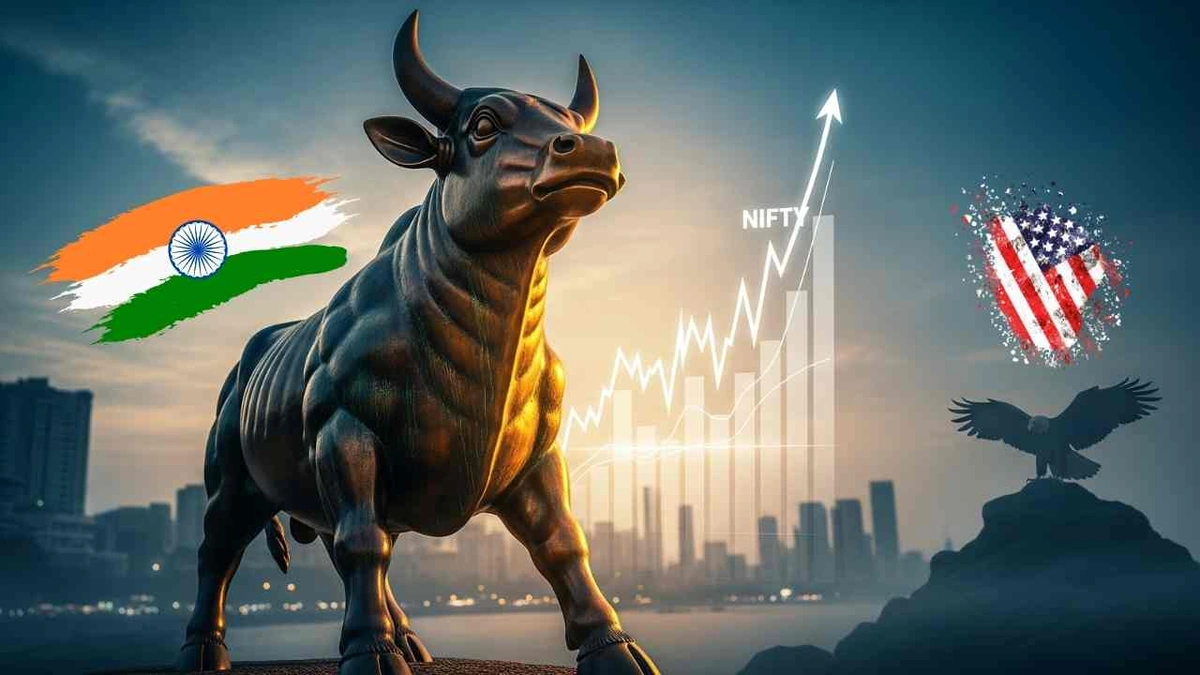
So, why all the fuss about hitting the $4 trillion mark? Well, it’s more than just bragging rights (though, let’s be honest, it is pretty cool). This milestone signals a significant shift in India’s global standing. We’re talking about increased influence on the world stage, greater negotiating power in international trade, and the potential to attract even more foreign investment.
Think of it like this: a bigger economy means a bigger pie. But the real question is, how is that pie sliced? Is it benefiting everyone, or just a select few? That’s where the economic indicators become crucial. We need to look beyond the headline number and examine factors like employment rates, inflation, and income inequality to get a true picture of the situation.
But, it is also important to acknowledge the challenges. We have the unemployment rate , which, though fluctuating, remains a concern. The gap between the rich and the poor, while not unique to India, is something we need to actively address.
The Engine of Growth | Key Sectors and Contributing Factors
What’s fueling this growth? Several sectors are playing a crucial role. The services sector, particularly IT and business process outsourcing, continues to be a major driver. India has established itself as a global hub for these services, attracting clients from around the world. Manufacturing, while facing its own set of challenges, is also showing signs of revival, boosted by government initiatives like “Make in India.” And let’s not forget agriculture, the backbone of the Indian economy, which still employs a significant portion of the population.
But the rise of the digital economy is undeniably a game-changer. From e-commerce to fintech, technology is transforming the way businesses operate and consumers interact. The increasing adoption of smartphones and affordable internet access has created a massive market for digital goods and services.
Challenges on the Horizon | Navigating the Path Ahead
Of course, no economic journey is without its bumps in the road. India faces several challenges as it strives for even greater economic heights. Infrastructure bottlenecks, such as inadequate transportation and power supply, need to be addressed to facilitate smoother business operations. Bureaucratic hurdles and regulatory complexities can also deter investment and innovation. And then there’s the ever-present issue of climate change, which poses a significant threat to agriculture and other sectors.
Let me rephrase that for clarity: it’s not just about reaching the destination, but ensuring the path is sustainable and inclusive. This means investing in education and skills development to create a workforce that’s ready for the jobs of the future. It means promoting entrepreneurship and innovation to foster a vibrant and dynamic economy. And it means strengthening social safety nets to protect the vulnerable segments of society.
Impact on the Common Man | What Does It All Mean for You?
Okay, so the economy is growing. Big deal, right? How does this actually affect the average Indian? Well, in theory, a larger economy should translate into more jobs, higher incomes, and improved living standards. But here’s the thing: it doesn’t always work out that way.
The benefits of growth need to be distributed more equitably. This requires targeted policies that focus on creating opportunities for those who are currently excluded from the economic growth. It means investing in rural development to bridge the gap between urban and rural areas. And it means promoting financial inclusion to ensure that everyone has access to the resources they need to thrive. A common mistake I see people make is thinking economic growth automatically trickles down; it needs careful nurturing.
And what about inflation? As the economy grows, demand for goods and services increases, which can lead to rising prices. This can erode the purchasing power of ordinary citizens, especially those with limited incomes. It’s a delicate balancing act – managing growth while keeping inflation under control.
But let’s not forget the opportunities. A growing economy can create new avenues for entrepreneurship. It can lead to the development of new industries and technologies. It can empower individuals to pursue their dreams and achieve their full potential. It is important to note the role of Groww in the Indian Economy.
The Future of India’s Economy | A Glimpse Ahead
Looking ahead, the future of India’s economy appears bright, but with caveats. The country has a young and growing population, a large and increasingly skilled workforce, and a vibrant entrepreneurial spirit. The government is implementing various reforms to improve the business environment and attract investment. And technological advancements are creating new opportunities for growth and innovation. But, so , indices are equally important.
But here’s the thing: success is not guaranteed. India needs to address its challenges head-on, investing in infrastructure, improving education, and promoting inclusive growth. It needs to create a level playing field for all, ensuring that everyone has the opportunity to participate in and benefit from the country’s economic progress. India must be cognizant of the global economic situation and economic indicators.
The journey to a $4 trillion economy is a remarkable achievement, but it’s just the beginning. The real challenge lies in ensuring that this growth translates into a better life for all Indians. That’s the goal we should all be striving for.
FAQ Section
What are the main drivers of India’s economic growth?
The services sector, manufacturing, agriculture, and the digital economy are key drivers.
What are the major challenges facing the Indian economy?
Infrastructure bottlenecks, bureaucratic hurdles, climate change, and income inequality pose significant challenges.
How does economic growth impact the common man in India?
Ideally, it should lead to more jobs, higher incomes, and improved living standards, but equitable distribution is crucial.
What is the government doing to promote economic growth?
The government is implementing reforms, investing in infrastructure, and promoting entrepreneurship and innovation.
What role does technology play in India’s economic future?
Technology is transforming businesses, creating new industries, and driving economic growth.
How can India ensure inclusive economic growth?
By investing in education, promoting entrepreneurship, and strengthening social safety nets.
Leave feedback about this