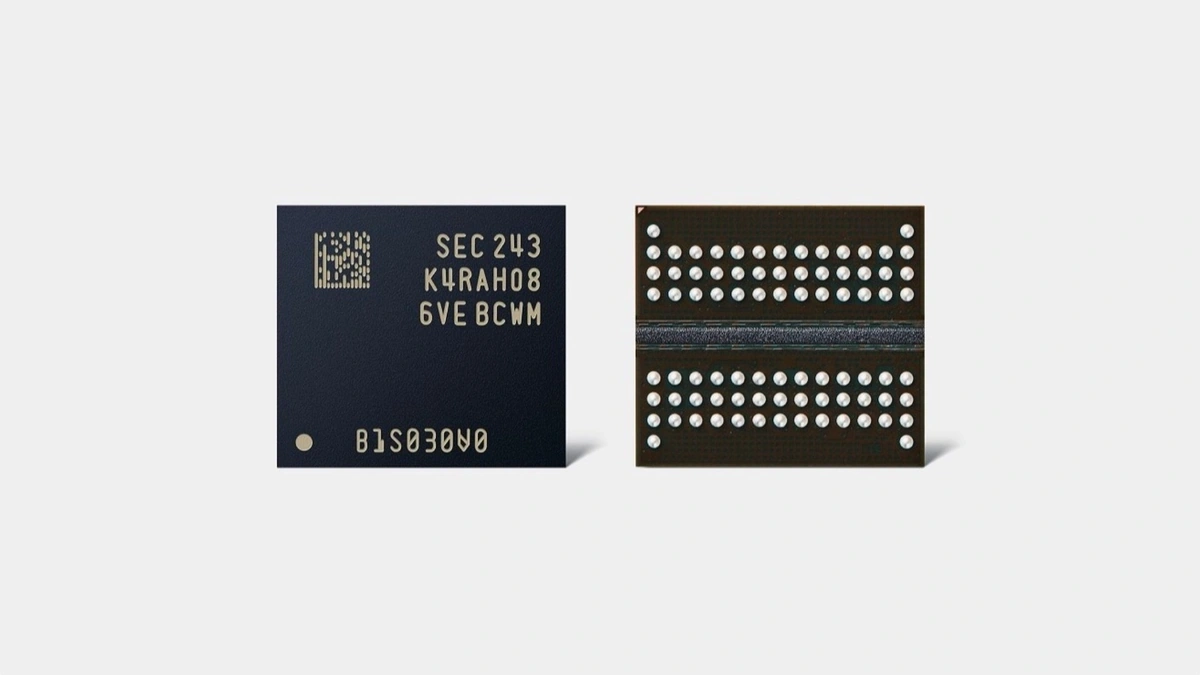
Okay, tech enthusiasts, let’s talk about something that might sound dry at first glance: LPDDR6 memory. But trust me, this isn’t just another spec bump. This is a potential game-changer, especially if you’re in India and rely on your smartphone or laptop for, well, pretty much everything. Here’s the thing: LPDDR6 isn’t just faster; it’s smarter. And that ‘smartness’ is what makes all the difference.
The “Why” Behind the Speed: More Than Just Numbers
We’re used to seeing new versions of things – faster processors, better cameras, and, yes, speedier memory. But what really matters is how these improvements translate into real-world benefits. With next-generation LPDDR memory, it’s not just about bragging rights for having the fastest phone. It’s about efficiency. Think of it like this: imagine you are trying to send a letter. LPDDR5 is like a bike messenger. Fast! LPDDR6 is like a bike messenger with a detailed map, knowing exactly which shortcuts to take. This results in lower power consumption and snappier performance, and this matters in India, where reliable battery life is crucial, and efficient thermal management in our hot climate is critical.
The jump from LPDDR5 to LPDDR6 promises significant improvements in data transfer rates and power efficiency. It’s designed to handle the ever-increasing demands of modern applications, from AI and machine learning to high-resolution video streaming and advanced mobile gaming. Imagine playing your favorite mobile game without any lag, even on demanding settings. Or, picture editing 4K videos on your laptop without your battery draining in an hour. That’s the power of optimized memory.
How LPDDR6 Impacts Your Daily Life (Even If You Don’t Know It)
Let’s be honest – most people don’t spend their evenings thinking about memory standards. But low power double data rate 6 (LPDDR6) is impacting your experience even if you do not know it. The benefits are subtle but profound. Here’s how:
- Better Battery Life: Smartphones and laptops will be able to run longer on a single charge. This is huge for those of us who rely on our devices throughout the day.
- Smoother Multitasking: Switching between apps will be faster and more seamless, even when running resource-intensive applications.
- Improved Gaming and Graphics: Mobile games will look and perform better, with higher frame rates and reduced lag.
- Enhanced AI Performance: LPDDR6 will enable faster and more efficient AI processing on mobile devices, leading to smarter and more responsive applications.
And here’s a key point: this isn’t just about flagship devices. As LPDDR6 becomes more mainstream, these benefits will trickle down to mid-range and even budget-friendly devices, making advanced technology more accessible to everyone in India. This also could help improve high-bandwidth memory access.
The Indian Context: Why Efficiency Matters
India is a unique market with specific needs. Here’s why LPDDR6 is particularly relevant here:
- Power Outages: Reliable battery life is essential in areas with frequent power outages. LPDDR6 can help extend the usable time of devices during these situations.
- Hot Climate: Efficient thermal management is crucial in India’s hot climate. LPDDR6’s lower power consumption can help prevent devices from overheating.
- Mobile-First Approach: Many Indians rely on smartphones as their primary computing device. LPDDR6 can significantly enhance the mobile experience for these users.
What fascinates me is the potential for LPDDR6 to bridge the digital divide. By making technology more accessible and efficient, it can empower more people to participate in the digital economy.
LPDDR6 vs. the Competition: A Quick Comparison
So, how does LPDDR6 stack up against other memory technologies? Here’s a quick overview:
- LPDDR5: The current standard for mobile devices. LPDDR6 offers significant improvements in speed and power efficiency compared to LPDDR5.
- DDR5: Used in desktop computers and laptops. LPDDR6 is optimized for mobile devices, offering lower power consumption than DDR5.
- GDDR6: Used in graphics cards. GDDR6 is designed for high-performance graphics applications, while LPDDR6 is optimized for general-purpose mobile use.
Here’s a concrete example. Based on the latest reports, LPDDR6 is expected to double the memory bandwidth of LPDDR5 while consuming roughly the same amount of power. That’s a massive leap forward.
When Can We Expect to See LPDDR6 Devices?
Ah, the million-dollar question! While an official release date remains elusive, industry analysts predict that LPDDR6 chips could start appearing in high-end smartphones and laptops as early as late 2024 or early 2025. Remember that this timeline is subject to change. Chip manufacturers like Samsung and SK Hynix are already working on developing and testing LPDDR6 memory modules, so it’s only a matter of time before we see them in consumer devices. Keep an eye out on tech blogs and news sites such as AnandTech for the latest updates.
A common mistake I see people make is underestimating the impact of incremental improvements. Each new generation of technology builds on the previous one, creating a compounding effect that leads to significant advancements over time.
FAQ About LPDDR6
Let’s tackle some frequently asked questions about LPDDR6:
Will LPDDR6 make my phone faster?
Yes, LPDDR6 will improve the speed and responsiveness of your phone, especially when multitasking or running demanding applications.
Will LPDDR6 improve battery life?
Yes, LPDDR6 is designed to be more power-efficient than previous generations, which can lead to longer battery life.
Will LPDDR6 be expensive?
Initially, LPDDR6 devices may be more expensive, but as the technology becomes more mainstream, prices are expected to decrease.
Is LPDDR 6 only for smartphones?
No, LPDDR6 can be used in a variety of devices, including smartphones, laptops, and tablets.
What is unified memory?
Unified memory is a memory architecture where the CPU and GPU share the same physical memory. This allows for faster data transfer and improved performance.
What is in-package memory?
In-package memory is memory that is integrated directly into the processor package. This reduces latency and improves performance.
So, there you have it. LPDDR6 isn’t just about faster numbers; it’s about a smarter, more efficient, and more accessible future for mobile technology in India. It’s the kind of upgrade that silently improves your daily life, making your devices more reliable, more responsive, and more enjoyable to use. And honestly, isn’t that what we all want?



Leave feedback about this