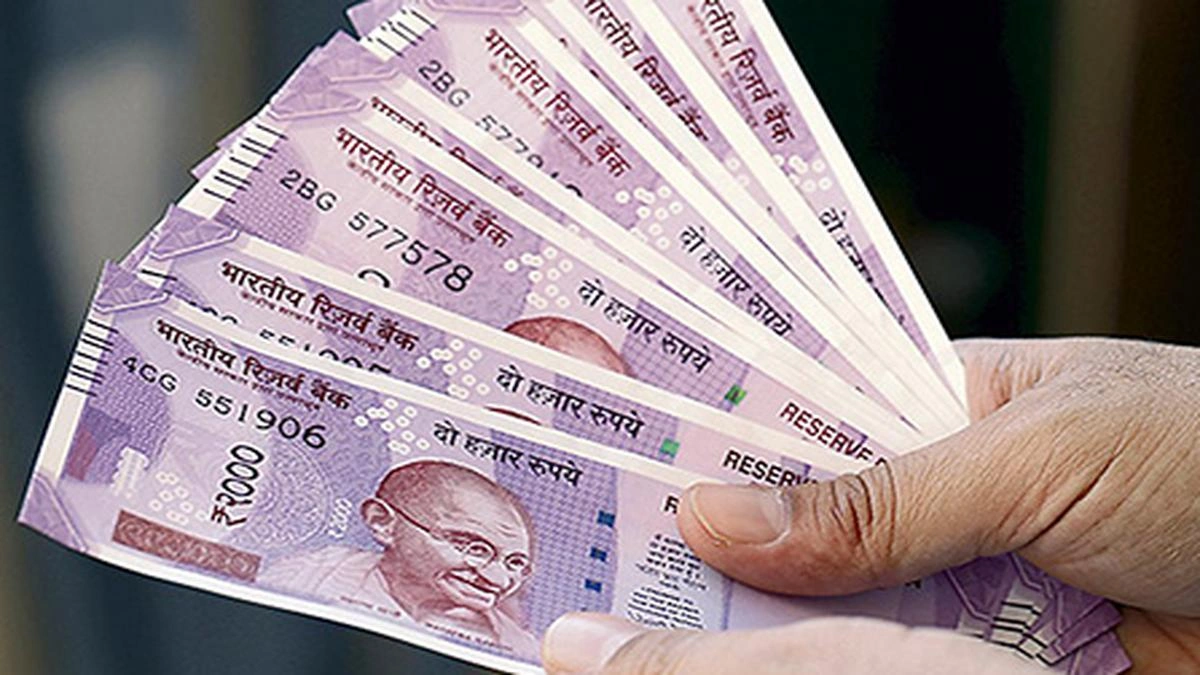
Okay, let’s talk about the rupee . Not just in terms of numbers and charts, but what this potential dip actually means for you and me, the average folks in India. Because, let’s be honest, economic news can feel distant and abstract. But the value of our currency? That hits home, right in the pocketbook. This isn’t just about economists wringing their hands; it’s about whether that trip you’ve been planning becomes more expensive, or if your savings are shrinking in real terms.
So, what’s the deal? The rupee , it seems, is facing some headwinds. And while financial analysts are busy dissecting bond yields and growth figures, we’re going to dig into the ‘why’ behind it all. What are the real-world implications, and what should you be paying attention to?
Why is the Rupee Wobbling? Understanding the Forces at Play
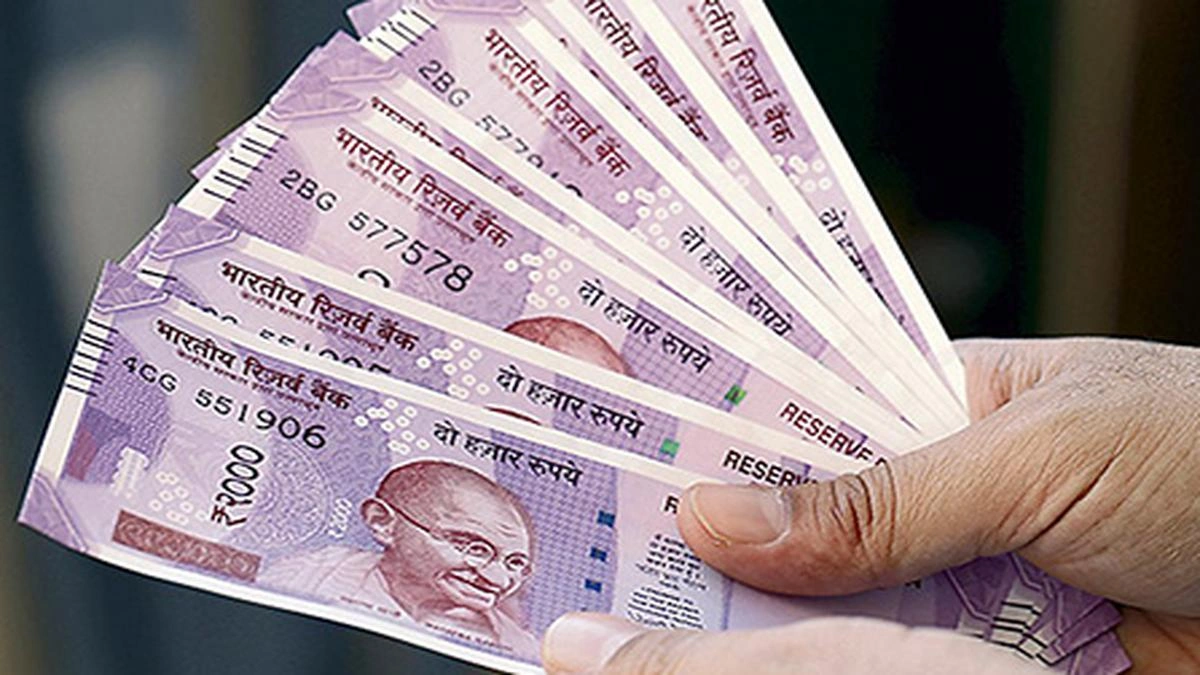
Here’s the thing: the rupee’s value doesn’t exist in a vacuum. It’s constantly being tugged and pulled by a complex web of factors, both domestic and international. One major element is the global economic climate. Are investors feeling confident, or are they running for the perceived safety of assets like the US dollar? When there’s uncertainty, the dollar tends to strengthen, which can put downward pressure on emerging market currencies like the Indian rupee .
But it’s not just about global trends. India’s own economic performance plays a huge role. Are we seeing strong growth? Are foreign investors pouring money into Indian companies and infrastructure? Positive signals tend to boost confidence in the rupee . Conversely, if growth slows or there are concerns about government policies, the rupee can suffer. What fascinates me is how quickly sentiment can shift. One positive announcement from the RBI, and things can turn around. But a negative surprise? Watch out.
And then there are the bonds. See, the bond market is like a giant thermometer for the economy. When investors are buying Indian government bonds, it signals confidence in India’s future. But when they start selling, it can indicate worries about things like inflation or the government’s ability to manage its debt. This impacts the rupee exchange rate directly, as demand for the currency fluctuates based on investor sentiment.
Decoding Liquidity | Why It Matters to Your Wallet
Now, let’s talk about a word that economists love to throw around: liquidity. In simple terms, liquidity refers to how easily assets can be bought and sold in the market. When there’s plenty of liquidity in the bond market, it means investors can easily trade bonds without significantly affecting prices. This creates stability and attracts more investors. But when liquidity dries up, it can lead to volatility and uncertainty – which can impact the rupee . A common mistake I see people make is ignoring liquidity as a key indicator.
So, how does this affect you? Well, if foreign investors start pulling money out of Indian bonds due to concerns about liquidity, they’ll need to convert their rupees back into their home currencies (usually US dollars). This increased demand for dollars puts downward pressure on the rupee . And a weaker rupee , as we discussed, can lead to higher import costs, potentially fueling inflation. It’s all connected, you see.
According to a report on the RBI’s website , maintaining adequate liquidity in the financial system is one of their primary goals. They use various tools, such as repo auctions and open market operations, to manage liquidity and ensure smooth functioning of the markets. As per the guidelines mentioned in the information bulletin , keeping an eye on these measures can give you a sense of where the rupee might be headed.
Growth Figures | The Pulse of the Indian Economy
But liquidity isn’t everything. Ultimately, the strength of the rupee is tied to the overall health of the Indian economy. And that’s where growth figures come in. Are we seeing robust growth in key sectors like manufacturing, agriculture, and services? Is unemployment declining? Are businesses investing and expanding? These are the kinds of indicators that give investors confidence in India’s long-term prospects.
Strong GDP growth typically leads to increased foreign investment, which in turn boosts demand for the rupee . But sluggish growth can have the opposite effect. I initially thought this was straightforward, but then I realized the data is always lagging, providing only a snapshot of the past. The markets are forward-looking, anticipating future growth or decline. So, it’s not just about the current numbers; it’s about the expectations surrounding future growth.
And here’s the emotional angle: when people feel optimistic about the economy, they’re more likely to spend and invest. This creates a virtuous cycle of growth. But when they’re worried about a potential slowdown, they tend to become more cautious, which can exacerbate the problem. See top stocks to track . Thus, managing expectations and communicating a clear vision for economic growth is crucial for maintaining confidence in the rupee .
Navigating the Volatility | Tips for the Average Indian
So, what can you do to protect yourself from rupee volatility? Well, the first step is to stay informed. Keep an eye on economic news and analysis, and try to understand the factors that are influencing the rupee’s value . But don’t get bogged down in the jargon. Focus on the big picture and what it means for your personal finances.
One strategy is to diversify your investments. Don’t put all your eggs in one basket. Consider investing in a mix of assets, including stocks, bonds, and real estate. This can help to cushion the impact of rupee fluctuations on your portfolio. A common mistake I see people make is trying to time the market. Trying to predict short-term movements in the rupee is incredibly difficult, even for professional traders. It’s better to focus on a long-term investment strategy and avoid making impulsive decisions based on short-term volatility.
If you’re planning a trip abroad, consider buying foreign currency in advance, especially if you anticipate further depreciation of the rupee . This can help you lock in a favorable exchange rate and avoid paying more later. And if you’re an exporter, a weaker rupee can actually be beneficial, as it makes your goods more competitive in the global market. Also, you can check Maruti Suzuki sales . Ultimately, a more competitive export market creates more jobs for the local economy.
The Bigger Picture | India’s Role in the Global Economy
Looking ahead, the future of the rupee will depend on a number of factors, including India’s ability to maintain strong economic growth, attract foreign investment, and manage its fiscal deficit. The government’s policies will play a crucial role in shaping the rupee’s trajectory . Are they focused on promoting reforms, improving infrastructure, and creating a favorable business environment? Positive steps in these areas will boost confidence in the rupee .
But it’s not just about what India does internally. The global economic landscape will also play a significant role. Factors such as interest rate movements in the US, trade tensions between major economies, and geopolitical risks can all impact the rupee . As a major emerging market, India is increasingly integrated into the global financial system. This means that the rupee is more sensitive to global events than ever before.
So, where does this leave us? The rupee faces potential challenges, but also has the potential to rebound. Ultimately, its fate will depend on a complex interplay of domestic and international factors. By staying informed, diversifying your investments, and focusing on the long term, you can navigate the volatility and protect your financial well-being. Remember, the Indian rupee is just one piece of the puzzle when it comes to understanding how India’s Economy moves.
FAQ
What factors influence the value of the rupee?
The value of the rupee is influenced by a mix of global economic conditions, India’s economic growth, inflation rates, foreign investment flows, and government policies.
How does a declining rupee affect the average Indian?
A declining rupee can lead to higher import costs, potentially causing inflation and making goods and services more expensive for consumers.
What steps can I take to protect my finances from rupee volatility?
Diversify your investments, stay informed about economic trends, and consider buying foreign currency in advance if you plan to travel abroad.
What is the RBI’s role in managing the rupee’s value?
The RBI uses various tools, such as managing interest rates and intervening in the currency market, to maintain stability and manage the rupee’s value.
How do growth figures impact the rupee?
Strong GDP growth typically boosts demand for the rupee by drawing in foreign investment, while sluggish growth can have the opposite effect.
What is the rupee exchange rate?
It is the value of Indian rupee relative to another currency, usually the U.S. dollar.


Leave feedback about this