
The rupee depreciation is making headlines again, isn’t it? It feels like just yesterday we were talking about it hitting another low. But this isn’t just a number on a screen – it’s something that trickles down and affects all of us, from the price of your imported phone to the cost of your next trip abroad. So, let’s ditch the jargon and break down what’s really going on and, more importantly, what you can do about it. This article isn’t about predicting the future (because let’s be honest, who can?), but about understanding the present and making informed decisions.
Why This Matters | The Ripple Effect of a Weakening Rupee
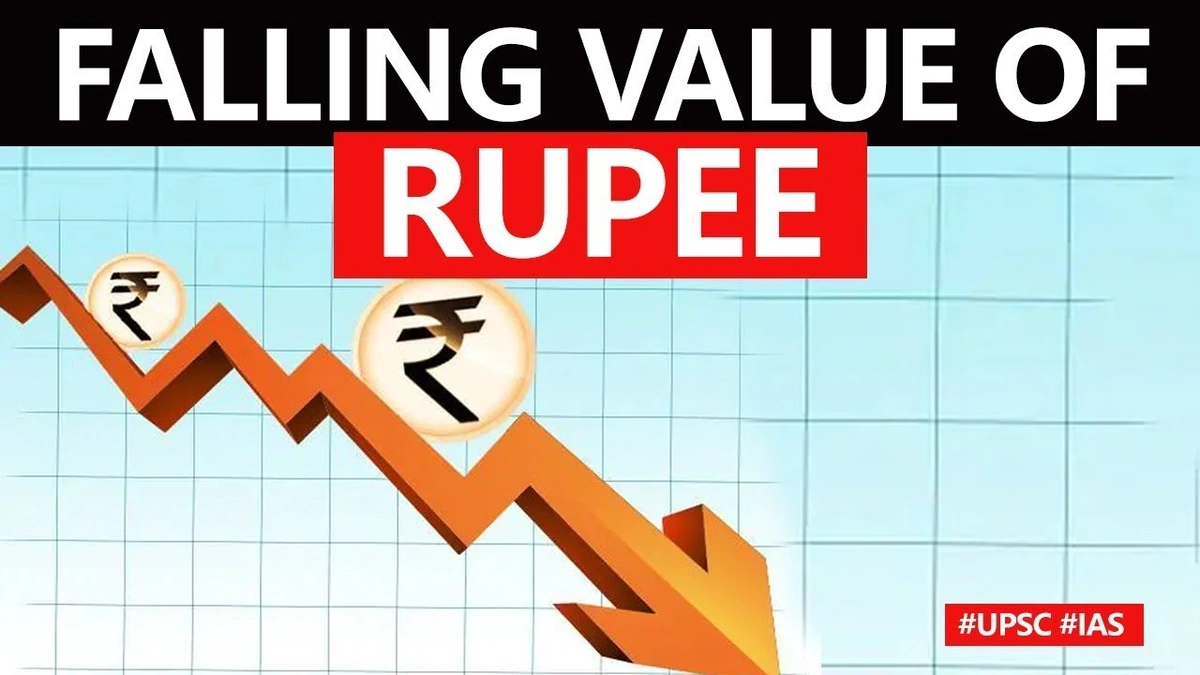
Here’s the thing: a falling rupee value doesn’t exist in a vacuum. It’s connected to a whole web of economic factors. Think of it like this: when the rupee weakens against the dollar, it means it takes more rupees to buy the same amount of dollars. Since a significant chunk of India’s trade is dollar-denominated (especially imports), everything from crude oil to electronics suddenly becomes more expensive. This increased cost gets passed down to consumers, fueling inflation . But, it’s not all bad news. A weaker rupee can make Indian exports more competitive on the global stage.
Let’s be specific. India imports a lot of its oil. When the Indian currency weakens , the cost of importing that oil goes up. That directly impacts petrol and diesel prices, and transportation costs. Which then, drives up the cost of vegetables, groceries, and well, basically everything. I initially thought this was a simple supply-demand issue, but then I realized, it’s a lot more connected than that. Understanding the underlying economic rules is crucial.
Imports, Inflation, and Your Wallet | A Direct Hit
Okay, let’s talk about how this actually affects you, sitting at home, trying to manage your budget. The most obvious impact is on imported goods. Your favorite imported chocolates, gadgets, and even some medicines become more expensive. The prices of electronics, often assembled in India but using imported components, also rise. Are you planning a trip abroad? That’s going to cost more too. The dollar you need to buy for your trip just became more expensive thanks to currency depreciation .
And then there’s inflation. A weaker rupee contributes to what’s known as imported inflation. This happens when the cost of imported goods rises, pushing up overall price levels in the economy. The Reserve Bank of India (RBI) keeps a close eye on this, and might respond by raising interest rates to try and control inflation. However, this can lead to higher borrowing costs for businesses and individuals, potentially slowing down economic growth. As per the guidelines mentioned in the information bulletin , RBI will be closely monitoring global crude oil prices.
Personal Finances | Strategies to Navigate the Rupee’s Fluctuations
So, what can you do? Feeling helpless is understandable, but you’re not powerless. Here are a few strategies to consider:
- Diversify Your Investments: Don’t put all your eggs in one basket. Consider investing in assets that aren’t directly tied to the rupee, such as gold or international stocks.
- Minimize Dollar-Denominated Debt: If you have loans or credit card bills in dollars, try to pay them off as quickly as possible to avoid further losses due to the rupee’s depreciation.
- Re-evaluate Your Spending Habits: Now might be a good time to cut back on non-essential imported items. Look for local alternatives where possible.
- Consider Export-Oriented Businesses: If you’re an entrepreneur, explore opportunities in export-oriented industries. A weaker rupee can make your products more competitive in the global market.
Speaking of investments, a common mistake I see people make is panicking and selling off their investments when the rupee weakens. Remember, long-term investing is about weathering the storm. The Indian economy has faced challenges before, and it has always bounced back. It’s best to keep checking the official portal of RBI for any updates related to foreign exchange rates.
The Global Context | What’s Driving the Rupee’s Slide?
It’s tempting to blame everything on internal factors, but the reality is that the rupee’s movements are heavily influenced by global events. Factors such as rising interest rates in the United States, global economic uncertainty, and geopolitical tensions can all put downward pressure on the rupee. Foreign Institutional Investors (FIIs) often pull out their investments from emerging markets like India when global risks increase, further weakening the currency.
Let’s be honest, predicting currency movements is notoriously difficult. However, understanding these global factors can help you make more informed decisions about your finances. What fascinates me is how interconnected the world economy is. It’s a constant balancing act between internal policies and external pressures.
According to the latest circular on the official RBI website (rbi.org.in), the central bank is committed to maintaining exchange rate stability. This includes intervening in the foreign exchange market to manage volatility and prevent excessive depreciation of the rupee. But interventions can only do so much; ultimately, the rupee’s strength depends on the overall health of the Indian economy.
Long-Term Implications and the Road Ahead
So, what does the future hold? That’s the million-dollar question, isn’t it? The long-term impact of a persistently weak rupee depends on a variety of factors, including the government’s economic policies, global economic conditions, and investor sentiment. While a weaker rupee can boost exports and attract foreign investment in the long run, it can also lead to higher inflation and reduced purchasing power for consumers. The RBI’s monetary policy will play a crucial role in managing these conflicting forces.
One thing you absolutely must double-check is the credibility of the sources you are consuming news from. In times of economic volatility, misinformation can spread quickly, leading to panic and poor decision-making. Stick to reliable sources, such as the RBI, reputable financial news outlets, and expert analysis.
The rupee’s journey isn’t a straight line; it’s a winding road with ups and downs. By understanding the factors that influence its movements and taking proactive steps to manage your finances, you can navigate the challenges and opportunities that lie ahead. Don’t let the headlines scare you. Arm yourself with knowledge, stay informed, and make smart choices. Besides currency fluctuations, keep in mind the fluctuating value of gold can also impact your finances.
FAQ Section
Will the rupee continue to depreciate?
It’s impossible to say for certain. Currency movements are influenced by a complex interplay of global and domestic factors. Keep an eye on economic news and consult with a financial advisor for personalized advice.
How does rupee depreciation affect students studying abroad?
It makes studying abroad more expensive, as you’ll need more rupees to cover tuition fees, living expenses, and other costs in foreign currency.
What is the government doing to address rupee depreciation?
The government and the RBI take measures such as adjusting interest rates, intervening in the foreign exchange market, and implementing policies to attract foreign investment.
Is it a good time to invest in gold?
Gold is often considered a safe-haven asset during times of economic uncertainty. However, it’s essential to consult with a financial advisor before making any investment decisions.
How does rupee depreciation impact Non-Resident Indians (NRIs)?
For NRIs, a weaker rupee can be both a boon and a bane. On one hand, it increases the value of their foreign remittances when converted to rupees. On the other hand, it can make investments in India more expensive when calculated in their home currency.
Ultimately, remember that economic indicators are ever changing, so it’s important to be dynamic.



Leave feedback about this