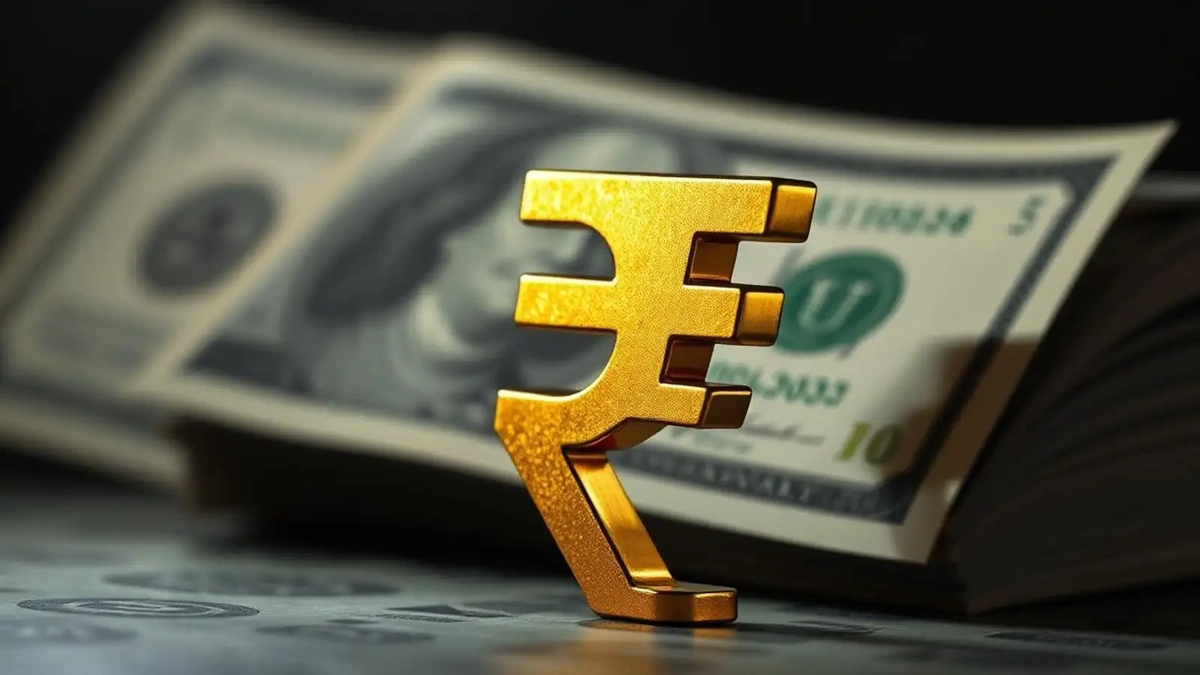
The Indian Rupee has seen its share of ups and downs, but when it takes a significant tumble, you can bet it’s going to stir up some political heat. Recently, the Rupee hit a record low, and predictably, the Congress party jumped on the opportunity to criticize the Modi government, resurrecting old arguments about economic management. But here’s the thing – beyond the headlines and political jabs, what does this actually mean for the average person in India? Let’s dive into the ‘why’ behind the Rupee’s fall and cut through the noise.
Why the Rupee’s Plunge Matters | Beyond the Headlines
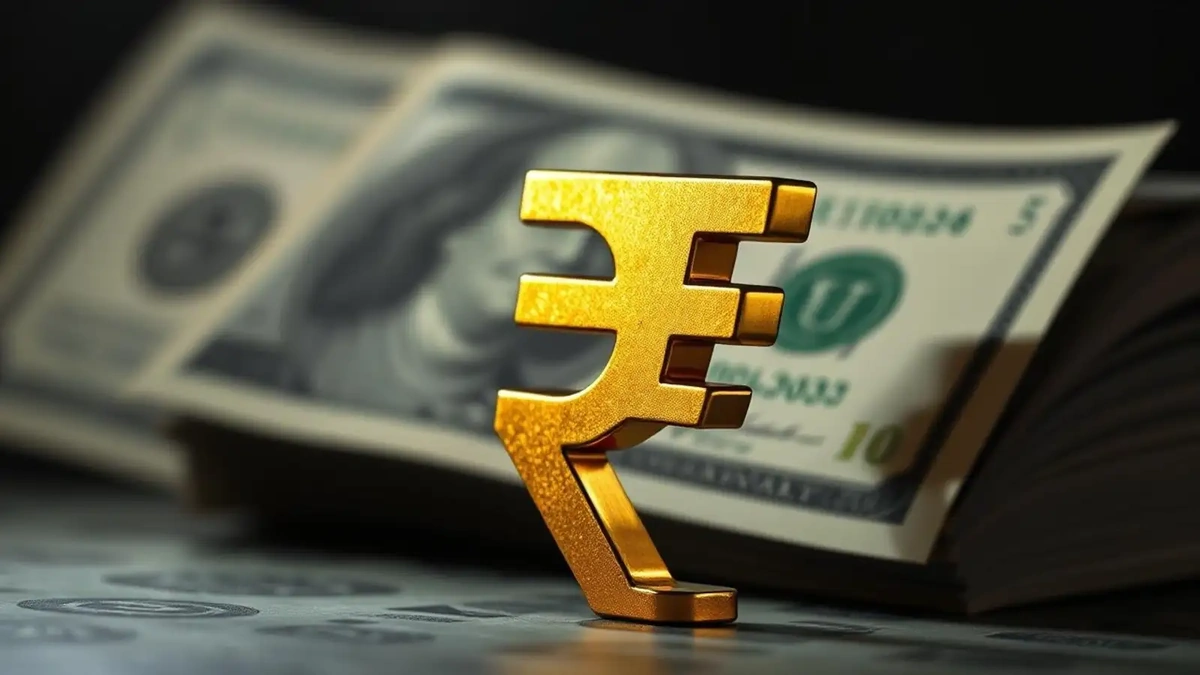
It’s easy to get lost in the numbers, but a weakening Rupee has real-world consequences. A weaker Rupee value makes imports more expensive. Think about it: India imports a lot of essential commodities, including crude oil. When the Rupee is weak, we pay more for that oil, which can then lead to higher petrol prices – pinching everyone’s pocket. It also affects the cost of electronics, machinery, and other goods. The effect of India Rupee fluctuations on imports directly impacts inflation.
But, and there’s always a ‘but’, a weaker Rupee isn’t all doom and gloom. It can boost exports because Indian goods become cheaper for foreign buyers. This could potentially help certain sectors like IT, textiles, and handicrafts. So, it’s a mixed bag. The challenge is to manage the situation so that the benefits outweigh the drawbacks. A common discussion revolves around the exchange rate between the Rupee and other currencies, especially the US dollar.
What fascinates me is the ripple effect. A weaker Rupee can spook foreign investors, leading to capital outflows. This, in turn, can put further downward pressure on the currency. It’s a bit of a vicious cycle, and that’s what policymakers are trying to avoid. It’s like trying to balance a stack of plates – one wobble can bring the whole thing crashing down.
Congress’s Criticism | Déjà Vu All Over Again?
The Congress party’s attack is hardly surprising. Political opposition rarely misses an opportunity to highlight economic vulnerabilities. In this case, they’re likely pointing fingers at the government’s economic policies, questioning whether enough is being done to support the Rupee. The criticism often involves comparing the current situation to previous economic downturns and questioning the government’s competence.
Let’s be honest, this kind of political back-and-forth is part and parcel of a democracy. But it’s important to look beyond the political rhetoric and assess the actual facts. What’s really changed since the last time the Rupee faced similar pressures? What measures are being taken now that weren’t taken before? It’s crucial to understand the nuances rather than simply accepting the narratives presented by either side. One should always consider the currency depreciation impact.
RBI’s Role | The Silent Guardian of the Rupee
The Reserve Bank of India (RBI) plays a critical role in managing the Rupee’s value. The central bank has several tools at its disposal, including intervening in the foreign exchange market, adjusting interest rates, and implementing other monetary policy measures.
A significant tool that influences the Rupee exchange rate is the monetary policy.
For example, the RBI might sell dollars from its reserves to buy Rupees, which can help to prop up the currency’s value. Or, it might raise interest rates to attract foreign investment, which can also strengthen the Rupee. But these actions aren’t without consequences. Intervening in the forex market can deplete the RBI’s reserves, and raising interest rates can slow down economic growth. It’s a delicate balancing act.
What I initially thought was a straightforward situation turns out to be a complex web of interconnected factors. The RBI’s actions aren’t always immediately visible, but they’re constantly working behind the scenes to maintain stability.
You can check more information on the Indian economy at sites like Wikipedia
The Global Context | It’s Not Just About India
It’s easy to fall into the trap of thinking that the Rupee’s woes are solely due to domestic factors. But the truth is, the Indian economy is closely tied to the global economy. Factors like global interest rates, commodity prices, and geopolitical events can all have a significant impact on the Rupee. For example, if the US Federal Reserve raises interest rates, it can lead to a stronger dollar and a weaker Rupee.
Think of it like this: the Rupee is a small boat in a vast ocean. It’s affected by the tides, the currents, and the weather patterns of the entire world. So, while domestic policies are important, it’s equally crucial to understand the global context. And, as it concerns the average Indian, understanding the importance of the domestic currency can never be overemphasized.
Here’s the thing: understanding these global dynamics is crucial for making informed decisions – whether you’re an investor, a business owner, or just someone trying to manage your household budget. It’s about seeing the bigger picture and anticipating potential challenges and opportunities.
What Can You Do? Practical Steps for Individuals
So, the Rupee is weakening, and the political parties are at each other’s throats. But what can you actually do about it? Well, while you can’t single-handedly reverse the trend, there are some practical steps you can take to protect yourself. A common mistake I see people make is to ignore the situation and hope it goes away. But that’s rarely the best approach.
First, if you’re planning a trip abroad, it might be wise to buy your foreign currency sooner rather than later. This can help you lock in a better exchange rate. Second, if you have investments in foreign assets, consider diversifying your portfolio to reduce your exposure to currency fluctuations. Third, be mindful of your spending habits. A weaker Rupee can lead to higher prices for imported goods, so it’s a good time to prioritize essential purchases and cut back on discretionary spending.
Remember, knowledge is power. The more you understand about the factors affecting the Rupee, the better equipped you’ll be to make informed decisions. It’s not about panicking or making drastic changes, but about being proactive and prepared. You can also get information on company results to know how businesses are responding.
FAQ About the Rupee’s Fluctuations
Why does the Rupee weaken sometimes?
The Rupee’s value is influenced by many factors, including global economic conditions, investor sentiment, and India’s trade balance. A higher demand for dollars can weaken the Rupee.
How does a weak Rupee affect me directly?
A weaker Rupee can lead to higher prices for imported goods, potentially increasing inflation and affecting your purchasing power.
What is the RBI doing to stabilize the Rupee?
The RBI intervenes in the foreign exchange market, adjusts interest rates, and implements other monetary policies to manage the Rupee’s volatility.
Should I convert my Rupees to dollars when the Rupee falls?
That depends on your individual circumstances and financial goals. Consider consulting a financial advisor before making any major decisions. If you want more insight on financial planning , seek expert advice.
How does the Rupee’s performance affect the stock market?
A weaker Rupee can impact different sectors in various ways. Export-oriented companies may benefit, while companies relying on imports might face challenges.
Where can I track the Rupee’s current value?
You can find the Rupee’s current exchange rate on various financial websites, news outlets, and currency converters. I use Google Finance .
In conclusion, the Rupee’s fluctuations are a complex issue with far-reaching implications. Instead of getting caught up in the political blame game, focus on understanding the underlying causes and taking practical steps to protect your financial well-being. Ultimately, a well-informed and proactive approach is the best way to navigate the ever-changing economic landscape. It is always advisable to do economic analysis .


Leave feedback about this