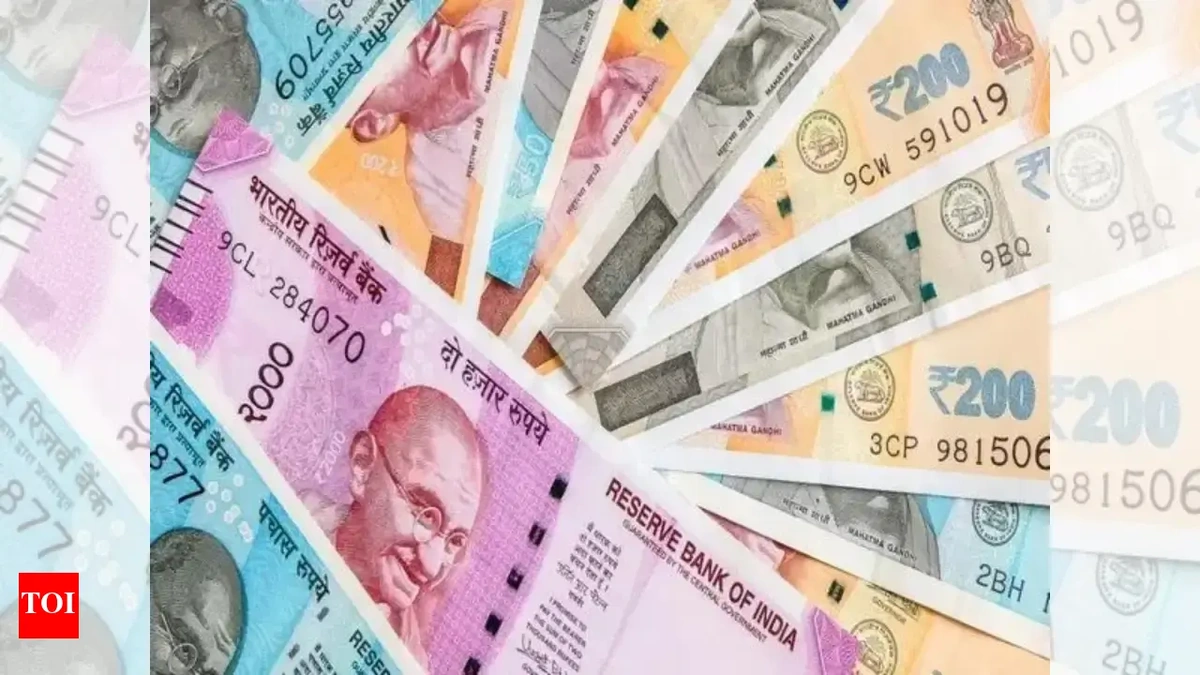
The Indian Rupee hitting a record low isn’t just a number on a screen; it’s a tremor felt across Indian households and businesses. Let’s be honest, it’s easy to get lost in the technical jargon and economic theories. But what does it really mean for you? That’s what we’re going to unpack here. It’s more than just news; it’s about understanding the forces shaping our financial lives.
Why is the Rupee Slipping? Decoding the Downturn
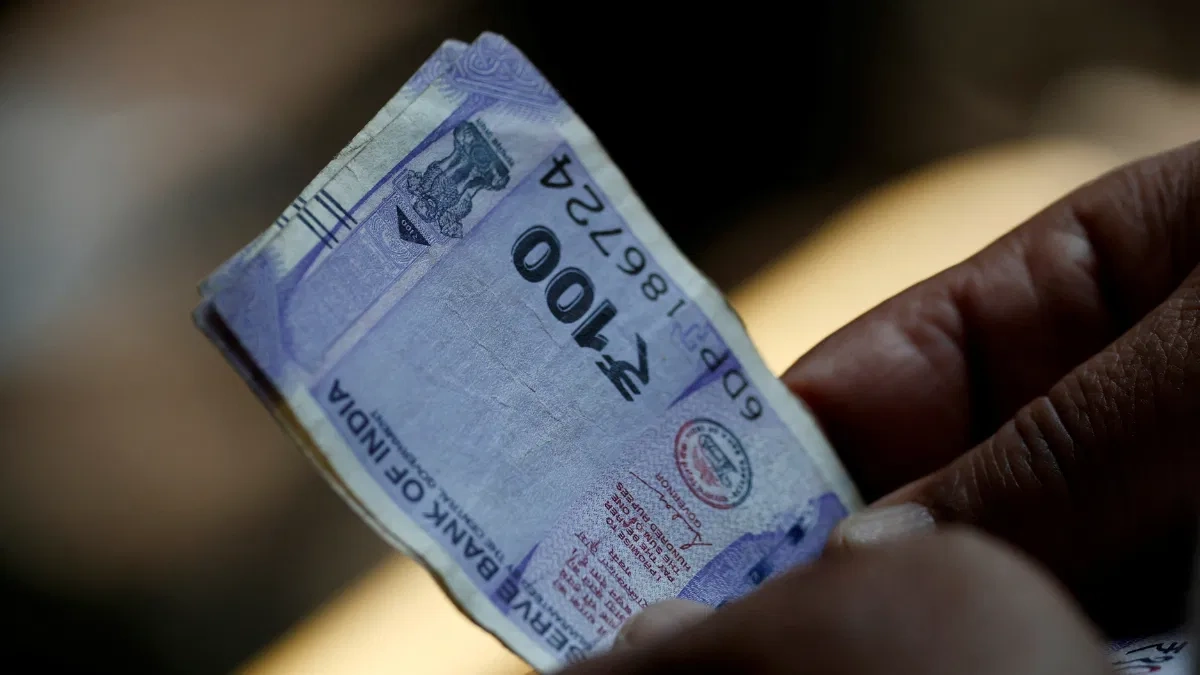
So, what’s actually causing this dip? It’s not a single culprit, but a confluence of global and domestic factors. Think of it like a complicated dish with too many ingredients. Globally, a major factor is the strengthening of the US dollar . When the US Federal Reserve raises interest rates (and they’ve been doing that aggressively!), it makes the dollar more attractive to investors. This increased demand drives up the dollar’s value, and since most global trade is conducted in dollars, other currencies, including the Rupee, tend to weaken. It’s a bit like everyone rushing to buy the same thing, driving up its price.
But it’s not all external. Domestically, India’s trade deficit – the difference between what we import and what we export – plays a significant role. We import a lot, especially oil (more on that later), and when our imports exceed our exports, it puts pressure on the Rupee. Imagine your household spending more than it earns – eventually, that catches up, right? And as India’s economic growth chugs along, the demand for imports rises too, further widening the trade deficit.
Another related factor is foreign portfolio investment (FPI) . When global investors pull their money out of Indian markets and invest it elsewhere (typically the US), it increases the supply of Rupees and pushes its value down. It’s like selling a whole bunch of shares of a company; the increased supply can drop the share price. A common mistake I see people make is underestimating the influence of these global investors. Their decisions, often driven by factors entirely outside of India, can have a significant impact on our currency.
The Ripple Effect | How a Weak Rupee Impacts You
Okay, so the Rupee is weakening. Big deal, right? Wrong. The effects are far-reaching. The most immediate impact is on inflation. A weaker Rupee makes imports more expensive. Think about it: if you’re buying something in dollars, and the Rupee is worth less against the dollar, you need to spend more Rupees to get the same thing. And what do we import a lot of? Oil. India imports a significant portion of its oil needs, so a weaker Rupee directly translates to higher fuel prices at the pump. That increased cost then trickles down, affecting the prices of everything from groceries to transportation. It’s like a domino effect.
But it’s not all doom and gloom. A weaker Rupee can also benefit certain sectors. Indian exporters, for example, find their goods and services more competitive in the global market. If you’re selling software services or textiles, a weaker Rupee means your products become relatively cheaper for buyers in other countries. This can boost exports and help to reduce the trade deficit. What fascinates me is how the same event can have such different consequences for different parts of the economy. According to data from the Reserve Bank of India, fluctuations in the Indian Rupee often correlate with shifts in export volumes.
For students studying abroad, the impact is immediate and painful. As the exchange rate worsens, every dollar (or pound, or euro) becomes more expensive, putting a strain on their finances and their families back home. The one thing you absolutely must double-check if you’re planning to study abroad is your budget. Factor in potential Rupee fluctuations, and have a plan for managing the increased costs. And also this article USD to INR: Understanding Rupee Fluctuations & Its Impact will help you better understanding the Rupees fluctuations.
Navigating the Future | What Lies Ahead for the Rupee?
Predicting the future of the Rupee is like trying to forecast the weather. There are so many variables at play. However, we can look at the factors that are likely to influence its trajectory. Global economic conditions, particularly the actions of the US Federal Reserve, will continue to be a major driver. If the Fed continues to raise interest rates, the dollar will likely remain strong, putting downward pressure on the Rupee. Conversely, if the Fed pauses or reverses its policy, we could see some relief for the Rupee.
India’s domestic policies will also play a crucial role. Efforts to boost exports, attract foreign investment, and reduce the trade deficit will help to stabilize the currency. The Reserve Bank of India (RBI) also intervenes in the forex market , buying or selling Rupees to manage its volatility. However, the RBI’s ability to intervene is limited by its foreign exchange reserves. Let me rephrase that for clarity: the RBI can only do so much to prop up the Rupee, and they need to carefully manage their resources. The present scenario highlights the importance of having a robust monetary policy and effective fiscal management.
And there’s also geopolitical risk. Unexpected events, like wars or political instability, can send shockwaves through the global economy and impact currencies. These are the “unknown unknowns” that are impossible to predict but can have a significant impact. Understanding the factors affecting exchange rates can only take you so far; sometimes, unforeseen events disrupt even the most carefully laid plans. You can also track top stocks to track to diversify your portfolio.
How Can You Protect Yourself? Practical Tips for Indians
So, what can you, as an individual, do to protect yourself from the effects of a weakening Rupee? Here’s the thing: you can’t control the global economy, but you can control your own financial decisions. The most important thing is to diversify your investments. Don’t put all your eggs in one basket. Consider investing in assets that are less correlated with the Rupee, such as gold or foreign stocks. The advice given by most financial experts is to consult a financial advisor before making any major investment decisions.
If you’re planning to travel abroad, book your flights and accommodation in advance, when the Rupee is relatively stronger. This can save you a significant amount of money. Also, consider using credit cards that offer rewards or cashback on foreign transactions. Another good way to mitigate risk is to have investments in foreign currency and be prepared to bring back foreign currency in times of need.
If you’re an exporter, explore hedging strategies to protect yourself from currency fluctuations. Hedging involves using financial instruments to lock in a future exchange rate, providing certainty about your revenue. A common mistake I see people make is waiting too long to hedge; the earlier you do it, the better your chances of getting a favorable rate.
But, there are other factors that will affect the value. For instance, there are new policies and the Indian economy as well. But, these factors only have a very slight effect.
Conclusion | The Rupee’s Story is Still Being Written
The Rupee’s recent struggles are a reminder that we live in an interconnected world, where events on the other side of the globe can have a direct impact on our lives. It’s not a simple story, and there are no easy solutions. But by understanding the underlying causes and potential effects, we can make informed decisions to protect ourselves and our families. The Rupee’s story is far from over, and the next chapter will depend on a complex interplay of global and domestic factors. As India navigates its path forward, understanding these dynamics will be more critical than ever.
FAQ Section
Why is the Rupee depreciating against the US dollar?
The strengthening US dollar, driven by rising US interest rates, and India’s trade deficit are key factors.
How does a weak Rupee affect inflation?
A weaker Rupee makes imports, especially oil, more expensive, leading to higher prices for consumers.
Who benefits from a weaker Rupee?
Indian exporters become more competitive as their goods and services become cheaper for foreign buyers.
What can I do to protect myself from Rupee depreciation?
Diversify investments, book travel in advance, and explore hedging strategies if you’re an exporter.
How does the RBI intervene in the forex market?
The RBI buys or sells Rupees to manage volatility, but its ability is limited by its forex reserves. You can read more about it here .
What role does foreign portfolio investment play?
Outflows of FPI can increase the supply of Rupees, pushing its value down.



Leave feedback about this