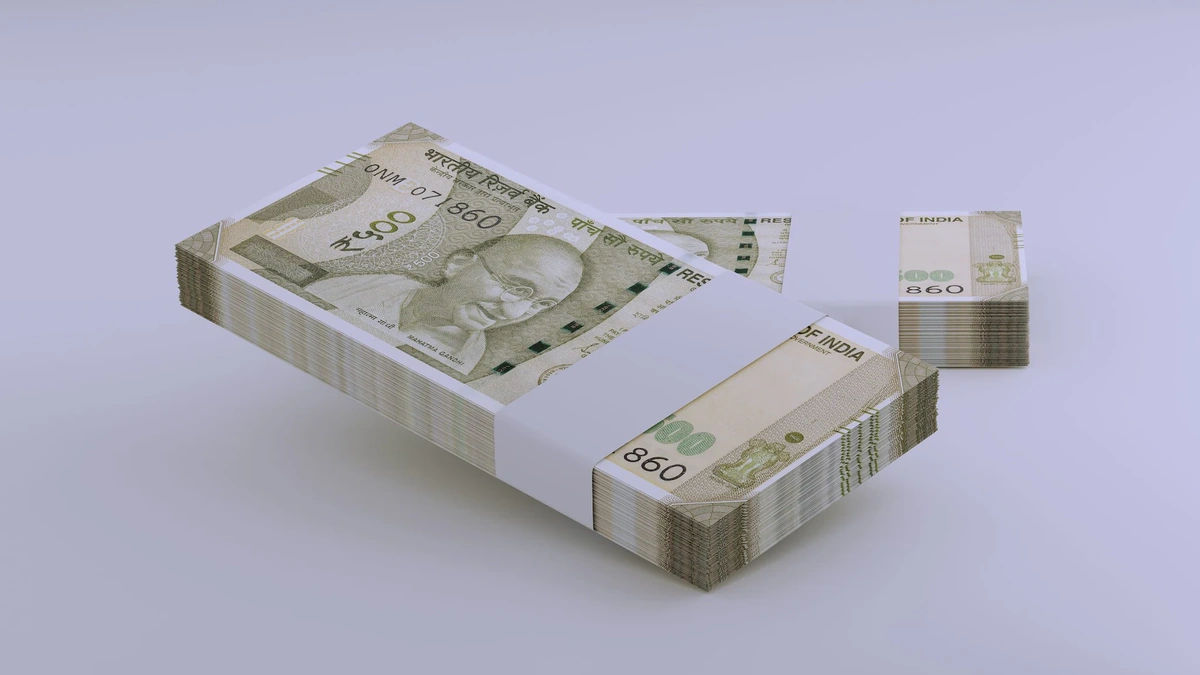
Okay, so the Rupee had a good day, climbing 46 paise against the US dollar and settling at 89.20. You might see that headline and think, “Okay, cool.” But here’s the thing: these small movements can actually tell a bigger story about the Indian economy, global markets, and even your own wallet. Let’s break down why this matters, because honestly, sometimes the financial news feels like it’s written in another language.
Decoding the Rupee’s Rise | More Than Just Numbers
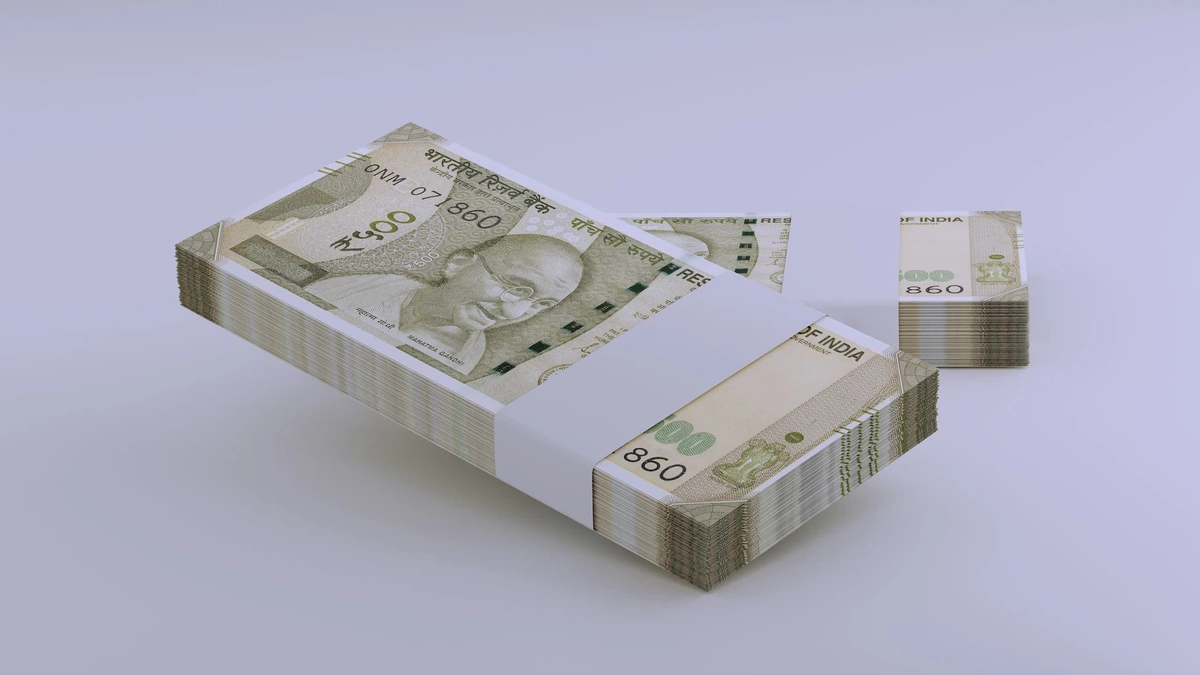
First off, what even causes these fluctuations? It’s not some random dice roll. Several factors are at play. We’re talking about things like foreign investment flows, the health of the Indian stock market, global crude oil prices (big one for India!), and even the Reserve Bank of India’s (RBI) monetary policy. A weaker dollar often helps the Indian Rupee value . When foreign investors pump money into Indian assets, demand for the Rupee goes up, and so does its value. Think of it like any other supply and demand scenario.
And what’s the impact? Well, a stronger Rupee can make imports cheaper. That’s good news if you’re an Indian business importing raw materials or a consumer buying goods from abroad. On the flip side, it can make Indian exports more expensive, potentially hurting businesses that rely on overseas sales. See? It’s a balancing act. Fluctuations in the INR exchange rate affect everyone.
Why This Small Rise Actually Matters
Let’s be honest – 46 paise doesn’t sound like a lot. But consistent gains, even small ones, can signal underlying strength and stability. And that confidence, my friends, is crucial. It can attract further investment, stabilize inflation, and generally create a more positive economic outlook. It’s like a vote of confidence in the Indian economy. Sometimes all it takes is the right fiscal policies for the Indian economy to improve.
What fascinates me is how interconnected everything is. The Rupee’s performance isn’t just about India; it’s a reflection of global economic trends. What happens in the US, China, or Europe can ripple through the Indian economy and impact the domestic currency market . We need to stop looking at these events in isolation.
The Ripple Effect | How the Rupee Impacts You
Okay, so the Rupee is up. Great. But how does this actually affect you, the average person in India? Here are a few ways:
- Inflation: A stronger Rupee can help keep imported inflation in check. Since India imports a lot of its oil, a stronger Rupee means we pay less for those imports, which can help control fuel prices.
- Travel: Planning a trip abroad? A stronger Rupee means your rupees will stretch further when you exchange them for dollars, euros, or whatever currency you need.
- Investments: If you’re investing in international markets, a stronger Rupee can impact your returns (either positively or negatively, depending on the specifics of your investment).
The Indian forex market is always in flux, and while we can’t predict the future, understanding these connections can help you make more informed financial decisions.
RBI’s Role | The Silent Guardian of the Rupee
We can’t forget the Reserve Bank of India (RBI). They’re the ones constantly monitoring the Rupee’s performance and intervening when necessary. They do this through various tools, like buying or selling dollars in the open market. The RBI’s goal is to maintain stability and prevent wild fluctuations that could harm the economy. A stable exchange rate is what they seek.
The RBI’s actions are often influenced by a multitude of factors, including prevailing inflation, geopolitical risks, and the overall health of the Indian economy. Navigating these complexities requires a delicate balancing act, and the RBI’s decisions can have a significant impact on the Rupee’s trajectory.
Here’s where expertise comes in. The RBI’s forecasts and policy statements provide valuable insights into their thinking. Following these announcements can give you a better understanding of the factors influencing the Rupee’s movements and potentially help you anticipate future trends.
Looking Ahead | What’s Next for the Rupee?
Predicting the future of the Rupee is a fool’s errand. There are simply too many variables at play. But here’s what we can say: keep an eye on global economic trends, watch what the RBI is doing, and pay attention to what’s happening with foreign investment flows. A volatile market condition is nothing new.
Ultimately, the Rupee’s performance is a reflection of India’s economic story. And that story is still being written.
FAQ | Understanding the Rupee’s Movements
Why does the Rupee fluctuate against the dollar?
The Rupee’s value is determined by supply and demand in the foreign exchange market. Factors like foreign investment, trade balances, and global economic conditions influence this supply and demand.
How does a stronger Rupee affect me as an Indian consumer?
A stronger Rupee can make imports cheaper, potentially lowering the prices of goods and services you consume.
What role does the RBI play in managing the Rupee’s value?
The RBI intervenes in the forex market to maintain stability and prevent excessive volatility in the Rupee’s exchange rate.
Where can I track the current exchange rate of the Rupee?
You can find the latest exchange rates on financial websites, news portals, and through currency converters offered by banks and financial institutions. A quick Google search for “ INR to USD ” will do the trick. Understanding stake sales can also give you an insight into the movement of the Rupee.
Is now a good time to exchange Rupees to travel abroad?
That depends on your personal circumstances and risk tolerance. Consult with a financial advisor to make an informed decision.
What are the risks of investing in the Indian currency market?
The forex market can be volatile, and investments can be subject to exchange rate risk. It’s important to understand the risks before investing.
So, the next time you see a headline about the Rupee’s performance , remember it’s not just a number. It’s a window into the complex and fascinating world of global finance, and it impacts all of us in ways we might not even realize.

Leave feedback about this