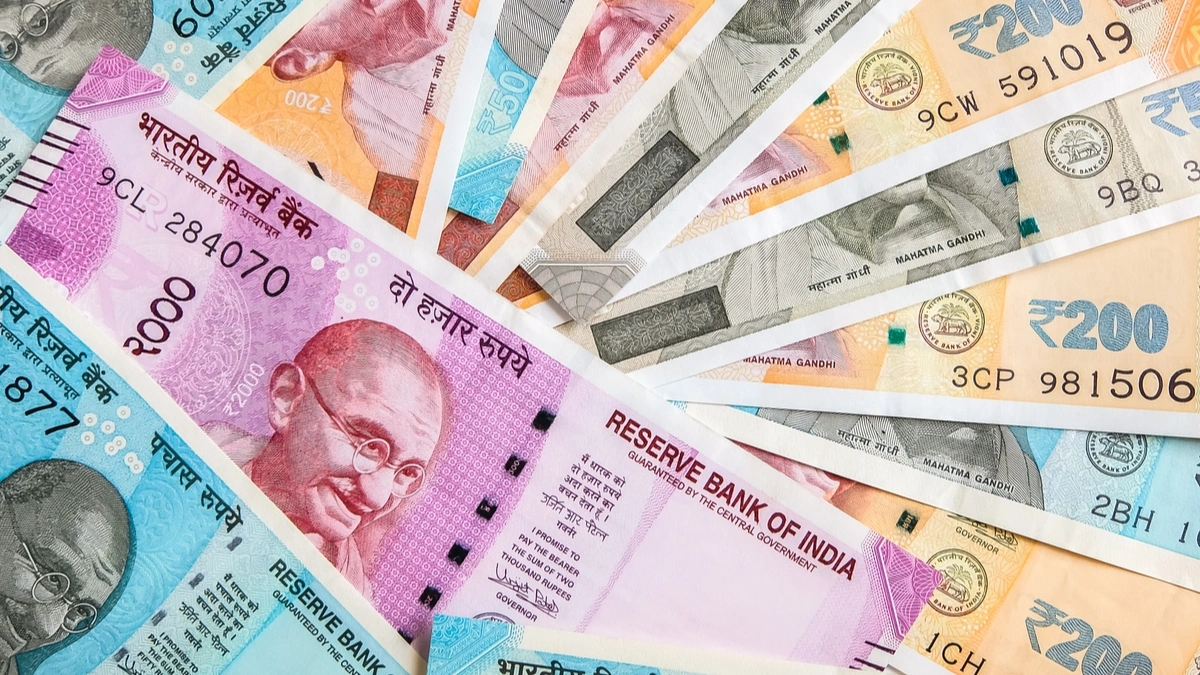
The Indian Rupee , after a period of turbulence that saw it hitting unprecedented lows against the US dollar, has finally found some stability. But the real question isn’t just about the rebound – it’s about what this rollercoaster ride reveals about the Indian economy, global market dynamics, and what it all means for you and me. Let’s dive deeper, shall we?
Understanding the Recent Rupee Volatility
So, what exactly caused the Rupee’s dip in the first place? Several factors were at play. First, there’s the strength of the US dollar itself. As the US Federal Reserve aggressively hiked interest rates to combat inflation, the dollar became more attractive to investors seeking higher returns. This, in turn, put pressure on emerging market currencies like the Rupee. Think of it like this: if everyone wants the same ice cream flavor (the dollar), the other flavors (other currencies) become less appealing.
But it’s not all about the dollar. Domestic factors also played a role. India’s trade deficit – the difference between imports and exports – has been widening. We’re buying more stuff from other countries than we’re selling to them, which creates demand for foreign currency (primarily dollars) and puts downward pressure on the Rupee value . Add to that global uncertainties like the ongoing geopolitical tensions and fluctuating crude oil prices (India is a major oil importer), and you’ve got a recipe for currency volatility. And what fascinates me is how interconnected all these factors are – a true global dance of finance!
Why Rupee Stability Matters to You
Okay, so the Rupee exchange rate moves up and down. Big deal, right? Actually, it is a big deal, especially for us in India. A weaker Rupee makes imports more expensive. That means everything from iPhones to petrol could cost more. And guess who ultimately bears the brunt of that? Yep, you and me.
On the flip side, a weaker Rupee can boost exports. Indian goods and services become cheaper for foreign buyers, potentially leading to increased demand and economic growth. But here’s the thing: the benefits of increased exports often take time to materialize, while the pain of higher import costs is felt immediately. It’s a bit like planting a tree – you have to wait for the fruit! Also, consider the impact on Indians studying abroad or planning international travel. A weaker Rupee means their expenses suddenly shoot up. See, the currency market isn’t some abstract concept; it directly affects our daily lives.
The Role of the Reserve Bank of India (RBI)
When the Rupee’s depreciation becomes too sharp or disorderly, the Reserve Bank of India (RBI) steps in. The RBI has several tools at its disposal to manage the Rupee’s exchange rate. One common method is to use its foreign exchange reserves to buy Rupees in the market. This increases demand for the Rupee and can help to prop up its value. Check out this link.
Another tool is adjusting interest rates. By raising interest rates, the RBI can make the Rupee more attractive to foreign investors, which can help to stabilize its value. However, raising interest rates can also have negative consequences, such as slowing down economic growth. So, the RBI has to walk a tightrope, balancing the need to stabilize the Rupee with the need to maintain economic growth. It’s a delicate balancing act, to be sure! According to a report by the Economic Times, the RBI has been actively intervening in the forex market to curb volatility.Economic Times Report
Is This Stability Here to Stay? Factors to Watch
The million-dollar question: is this recent Rupee stabilization a sign of a longer-term trend, or just a temporary blip? Honestly, it’s tough to say for sure. Several factors will influence the Rupee’s future trajectory. The direction of the US dollar, global oil prices, and India’s economic growth rate are all key variables to watch. If the US Federal Reserve continues to raise interest rates aggressively, the dollar could strengthen further, putting renewed pressure on the Rupee.
Conversely, if global oil prices fall or India’s economic growth picks up, the Rupee could gain strength. But it is more than that. It is also about investor sentiment. If investors believe that India is a stable and attractive investment destination, they’re more likely to hold Rupees, which can help to support its value. So, keeping a close eye on these factors is crucial for anyone with a stake in the Indian economy – and that includes all of us!
The performance of Indian forex reserves also plays a vital role. Larger reserves give the RBI more firepower to intervene in the market and stabilize the Rupee. The government’s fiscal policies also matter. Prudent fiscal management can boost investor confidence and support the Rupee, while excessive borrowing or spending can have the opposite effect.
Practical Tips for Navigating Rupee Fluctuations
So, what can you do to protect yourself from the impact of Rupee fluctuations? Here are a few practical tips:
- If you’re planning a trip abroad: Consider booking your travel and accommodation in advance, especially if the Rupee is weak. This can help you lock in prices before the Rupee weakens further.
- If you’re an investor: Diversify your portfolio. Don’t put all your eggs in one basket (or one currency!). Consider investing in assets denominated in other currencies to reduce your exposure to Rupee volatility.
- If you’re a business owner: Hedge your currency risk. If you’re involved in international trade, consider using financial instruments like forward contracts or options to protect yourself from adverse currency movements.
A common mistake I see people make is to panic and make rash decisions based on short-term currency movements. Remember, currency fluctuations are a normal part of the global economy. Don’t try to time the market – focus on your long-term financial goals and make informed decisions based on your individual circumstances.
FAQ Section
Frequently Asked Questions
What does it mean when the Rupee depreciates?
When the Rupee depreciates, it means it takes more Rupees to buy one US dollar (or another foreign currency). This makes imports more expensive and can lead to inflation.
How does the RBI intervene to stabilize the Rupee?
The RBI intervenes by buying Rupees in the market using its foreign exchange reserves. It can also adjust interest rates to make the Rupee more attractive to foreign investors. You can also view this.
What factors influence the Rupee’s exchange rate?
Key factors include the strength of the US dollar, global oil prices, India’s trade deficit, economic growth, and investor sentiment.
How can I protect myself from Rupee fluctuations?
Diversify your investment portfolio, hedge your currency risk (if you’re a business owner), and avoid making rash decisions based on short-term currency movements.
Is a weaker Rupee always bad for the economy?
Not necessarily. While it makes imports more expensive, it can also boost exports and make Indian goods and services more competitive in the global market.
The strength of the Indian economy and the global economic landscape go hand in hand. And understanding how these things affect our daily lives is super important. So next time you hear about the Rupee in the news, remember it is not just a number, but a reflection of our economic reality and has implications for every Indian.



Leave feedback about this