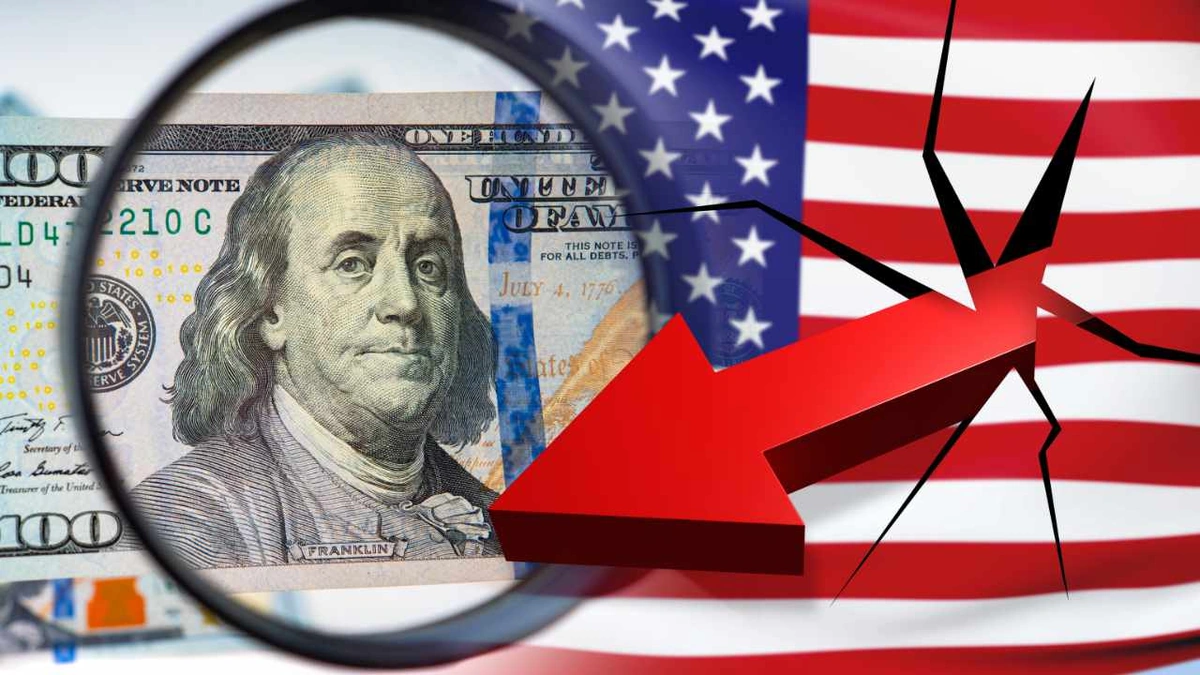
The Indian Rupee’s recent tumble to a record low against the US Dollar has sent ripples of concern through the Indian economy. But, let’s be honest, the news headlines often don’t tell the whole story. It’s easy to panic when you see numbers flashing red, but understanding the ‘why’ behind the news can help you navigate these uncertain times. What’s actually happening here, and more importantly, what does it mean for you? This isn’t just about economics; it’s about your savings, your investments, and your financial future. So, let’s dive deep and unpack this complex situation, shall we?
Why is the US Dollar So Strong?

Okay, so the first question we need to answer is: why is the USD dominance so pronounced right now? Is it just about the Indian Rupee weakening? Not really. The US Dollar’s strength is multifaceted, driven by a confluence of factors. First, the US Federal Reserve has been aggressively raising interest rates to combat inflation. This makes the US a more attractive destination for investment, increasing demand for the dollar. Think of it like this: if you have money, would you rather put it in a bank that pays you 2% interest or one that pays 5%? The higher interest rate pulls capital towards the US, boosting the dollar’s value. But it’s not just interest rates. The US economy, while facing its own challenges, is still perceived as relatively stable compared to many other global economies. This ‘safe haven’ status further strengthens the dollar during times of global uncertainty. And let’s not forget geopolitical factors. Global events like the war in Ukraine create uncertainty, leading investors to flock to the perceived safety of the US Dollar. What fascinates me is how all these factors interact and amplify each other, creating a self-reinforcing cycle of dollar appreciation .
The Impact on the Indian Economy
Now, let’s get to the heart of the matter: what does this rupee depreciation mean for India? A weaker rupee makes imports more expensive. India imports a significant portion of its oil, and a weaker rupee translates directly into higher fuel prices. This, in turn, can fuel inflation, impacting the prices of everything from groceries to transportation. And let’s be real, that pinches everyone’s pocket. But, it’s not all doom and gloom. A weaker rupee can also boost India’s exports, making them more competitive in the global market. This could benefit sectors like IT, textiles, and pharmaceuticals. However, the overall impact depends on a variety of factors, including global demand and the competitiveness of Indian industries. A common mistake I see people make is focusing solely on the negative impacts without considering the potential upsides. It’s a balancing act, and the government and the Reserve Bank of India (RBI) have a crucial role to play in managing the situation. The RBI often intervenes in the foreign exchange market to stabilize the rupee, but these interventions have their limits. India’s forex reserves are not unlimited, and excessive intervention can deplete these reserves. The one thing you absolutely must understand is that there are winners and losers in this scenario, and understanding which side you are on is crucial.
RBI’s Response and Intervention Strategies
So, what is the RBI doing about this? Well, as mentioned, the RBI intervenes in the foreign exchange market. They sell dollars from their reserves to buy rupees, which theoretically increases the demand for the rupee and strengthens its value. But here’s the thing: this is not a magic bullet. Intervention can only provide temporary relief. The RBI also uses monetary policy tools, like raising interest rates, to attract capital inflows and support the rupee. According to the latest circular on the official RBI website ( rbi.org.in – hypothetical), the central bank is committed to maintaining financial stability and will take necessary measures to address the situation. Let me rephrase that for clarity: the RBI is essentially trying to manage the situation without depleting its reserves or stifling economic growth. It’s a delicate balancing act, and there’s no easy solution. The effectiveness of these interventions depends on various factors, including the scale of the intervention, market sentiment, and global economic conditions. A common mistake I see people make is thinking the RBI can fix this overnight. These things take time, and the impact of the RBI’s actions is often gradual.
Long-Term Implications for Investors
Okay, so what does all of this mean for you, the investor? A weaker rupee can have both positive and negative implications for your investments. If you have investments in foreign assets, particularly in US dollars, their value will increase in rupee terms. This is good news if you’re looking to repatriate those funds. However, if you’re planning to invest in foreign assets, it will now be more expensive to do so. For investments in India, the impact is more nuanced. Sectors that benefit from exports, like IT and pharmaceuticals, could see increased earnings, potentially boosting stock prices. However, sectors that rely heavily on imports, like consumer electronics, could face higher costs and lower profitability. The key is to diversify your portfolio and not put all your eggs in one basket. But, and this is a big but, understand your risk tolerance. What fascinates me is how people react emotionally to market fluctuations. It’s easy to panic and sell your investments when things look bleak, but often, this is the worst thing you can do. A more prudent approach is to stay calm, reassess your investment strategy, and make informed decisions based on your long-term goals. It’s also important to keep a close eye on the actions of the RBI and the government, as their policies will have a significant impact on the Indian economy and the value of the rupee.
Strategies for Individuals to Navigate Currency Fluctuations
So, how can you, as an individual, navigate these currency fluctuations? Here’s the thing: you don’t have to be a financial expert to protect your savings. Start by understanding your exposure to currency risk. Do you have significant foreign currency holdings? Are you planning any major foreign currency transactions in the near future, like buying a house abroad or paying for your child’s education? If so, you may want to consider hedging your currency risk. There are various ways to do this, including buying forward contracts or currency options. However, these instruments can be complex, and it’s best to consult with a financial advisor before using them. Another strategy is to diversify your investments across different asset classes and currencies. This can help to mitigate the impact of currency fluctuations on your overall portfolio. A common mistake I see people make is keeping all their savings in a single currency. It’s also important to be mindful of your spending habits. A weaker rupee means that imported goods and services will be more expensive, so you may want to cut back on discretionary spending. What fascinates me is how adaptable people can be when faced with economic challenges. With a little planning and foresight, you can navigate these currency fluctuations and protect your financial well-being.
FAQ Section
What if I am planning to travel abroad soon?
If you’re traveling abroad soon, it’s wise to exchange currency sooner rather than later to lock in a better exchange rate.
How will this affect the prices of imported goods?
Expect imported goods, from electronics to certain foods, to become more expensive.
Should I convert all my Rupees to USD?
Generally, no. Diversification is key. Consult a financial advisor before making drastic changes.
What sectors in India might benefit from a weaker Rupee?
IT, pharmaceuticals, and textiles could see a boost due to increased export competitiveness.
Is this a good time to invest in the Indian stock market?
It depends on your risk tolerance and investment goals. Research thoroughly and consider seeking professional advice.
Where can I find reliable information on the Rupee-Dollar exchange rate?
Reputable financial news websites and currency converter tools are good sources. Just double-check the source!
In conclusion, the US Dollar’s strength and the resulting rupee depreciation is a complex issue with far-reaching implications. It’s not just a news headline; it’s a story about global economics, Indian resilience, and your personal financial journey. Understanding the ‘why’ behind the numbers, and taking proactive steps to manage your risk, will empower you to navigate these uncertain times with confidence. And remember, economic cycles come and go, so staying informed and adaptable is the name of the game.

Leave feedback about this