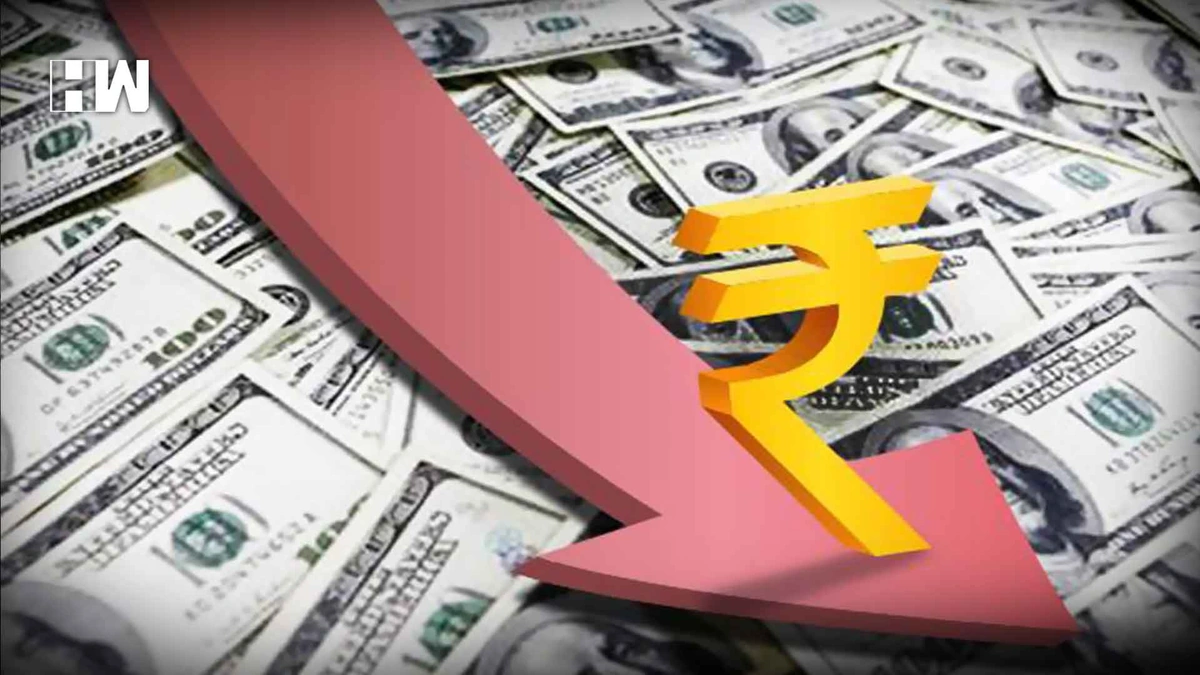
The rupee crash . It’s a phrase that can send shivers down the spines of economists, investors, and even the average Indian citizen. Why? Because a weakening rupee impacts everything from the price of your groceries to the cost of studying abroad. Let’s be honest, nobody wants to wake up to news like this.
But, instead of panicking, let’s understand what’s really going on. This isn’t just about numbers flashing on a screen; it’s about the real-world impact on your life and the Indian economy. What fascinates me is the ripple effect – how one seemingly isolated event can trigger a chain reaction. So, let’s dive deep and dissect the ‘why’ behind this recent slump.
Understanding the ‘Why’ | A Perfect Storm
So, what caused the rupee to plummet to its lowest level in three months? The short answer: a confluence of global and domestic factors. The more nuanced answer involves understanding these factors and how they interact. I initially thought it was straightforward, but then I realized how interconnected everything is.
First, there’s the strong US dollar. The US Federal Reserve’s hawkish stance – meaning their aggressive approach to raising interest rates to combat inflation – has made the dollar incredibly attractive to investors. When the US Fed increases interest rates, investors worldwide tend to flock towards US dollar-denominated assets seeking higher returns. This increased demand for the dollar strengthens its value compared to other currencies, including the rupee. And, since many global commodities are priced in dollars, a stronger dollar makes these imports more expensive for India.
Second, global economic uncertainty plays a significant role. Fears of a recession in major economies like the US and Europe have prompted investors to seek safe-haven assets, further bolstering the dollar. This “flight to safety,” as economists call it, puts downward pressure on emerging market currencies like the rupee.
Third, the geopolitical tensions . The ongoing conflicts and political instability in various regions contribute to risk aversion, pushing investors towards safer investments. This indirectly weakens emerging market currencies.
The Impact on Your Wallet | More Than Just Numbers
Okay, so the rupee is down. Big deal, right? Wrong. The weakening of the rupee has far-reaching consequences that directly impact your wallet.
Inflation is a major concern. A weaker rupee makes imports more expensive, leading to higher prices for everything from electronics to edible oils. India imports a significant portion of its oil needs, and a depreciating rupee translates directly into higher fuel prices, which then cascades down to transportation costs and ultimately, the prices of essential goods. The Reserve Bank of India (RBI) is constantly monitoring this, as per their latest monetary policy statements available on the RBI website (https://www.rbi.org.in).
Education abroad becomes more expensive. If you’re planning to send your child to study overseas, a weaker rupee means you’ll need to shell out more for tuition fees, accommodation, and living expenses. This can significantly strain your finances and alter your plans.
Travel gets pricier. Planning a vacation abroad? The same principle applies. You’ll need more rupees to buy the same amount of dollars or euros, making your dream trip a little less affordable. This can impact the tourism industry and the overall economy.
RBI’s Response | Defending the Rupee
So, what is the Reserve Bank of India (RBI) doing to tackle the currency depreciation? The RBI has several tools at its disposal to manage the rupee’s value. One common method is to intervene in the foreign exchange market by selling dollars from its reserves to buy rupees. This increases the demand for rupees, thereby supporting its value. A common mistake I see people make is underestimating the power of these interventions.
The RBI can also adjust interest rates to influence capital flows. Raising interest rates can attract foreign investment, increasing the demand for rupees. However, this also comes with its own set of challenges, such as potentially slowing down economic growth. It’s a delicate balancing act.
However, the RBI is always cautious while intervening because continuous interventions can deplete the forex reserves which can hurt the economy in the long run. Here’s a link to know about the challenges with forex reserves Forex reserves
What Can You Do? Practical Steps for Indians
While you can’t control global economic forces, there are steps you can take to mitigate the impact of a weakening rupee on your personal finances. Here’s the thing, it’s all about being proactive.
Diversify your investments . Don’t put all your eggs in one basket. Consider investing in assets that are less correlated with the rupee, such as gold or international stocks. Spreading your investments across different asset classes can help cushion the blow from currency fluctuations.
Hedge your foreign exchange exposure . If you have significant foreign currency liabilities, such as a loan denominated in dollars, consider hedging your exposure by buying currency futures or options. This can protect you from adverse currency movements.
Budget wisely . Review your expenses and identify areas where you can cut back. Prioritize essential spending and avoid unnecessary luxuries. Every little bit helps.
Let’s understand the current exchange rate. The current exchange rate is influenced by factors like the balance of payments, inflation, and interest rates. Continuous monitoring of these factors can provide insights into potential fluctuations and help in making informed decisions.
Looking Ahead | Navigating the Volatility
Predicting the future of the rupee is notoriously difficult. However, experts agree that volatility is likely to persist in the near term. The global economic outlook remains uncertain, and the US Federal Reserve is expected to continue raising interest rates. As per the guidelines mentioned in the information bulletin, it’s best to be prepared for continued fluctuations.
The key is to stay informed, remain calm, and make informed decisions based on your individual circumstances. Don’t panic sell your investments based on short-term market movements. Focus on your long-term financial goals and stick to your investment plan.
In conclusion, the rupee’s recent drop is a reminder of the interconnectedness of the global economy and the importance of understanding the forces that shape our financial lives. The next big thing in investing is diversifying your assets. Learn more here
FAQ Section
What exactly is the rupee exchange rate?
It’s the value of the Indian rupee expressed in relation to another currency, like the US dollar. It tells you how many rupees you need to buy one unit of that other currency.
Why does the Indian currency value fluctuate?
Many reasons! Global economic conditions, investor sentiment, India’s economic performance, and actions by the Reserve Bank of India (RBI) all play a role.
How does a weak rupee affect the common man?
It makes imports more expensive, which can lead to inflation. It also makes international travel and studying abroad more costly.
What can the RBI do to stabilize the rupee?
They can intervene in the currency markets by buying rupees (using their dollar reserves) or adjust interest rates to attract foreign investment.
Is now a good time to invest in US dollars?
That depends on your risk tolerance and investment goals. Consult a financial advisor for personalized advice.
Will the rupee continue to decline?
No one knows for sure. Economic forecasts suggest continued volatility in the near term. Monitoring economic indicators is key.



Leave feedback about this