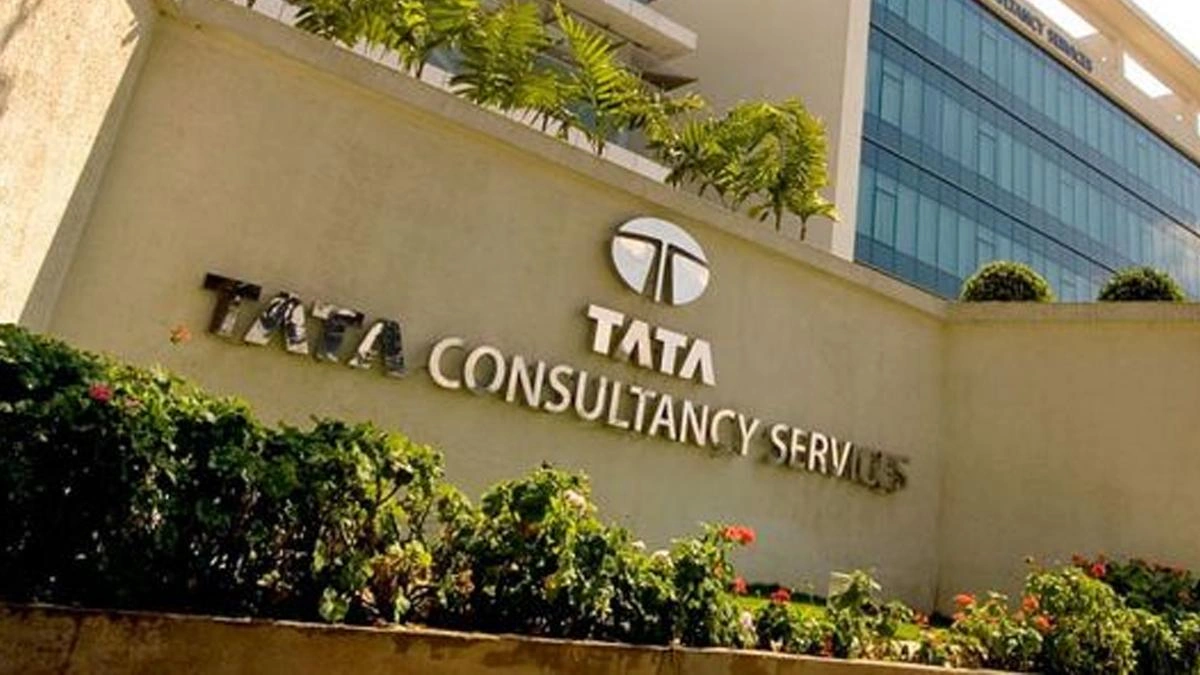
Alright, let’s dive into this juicy bit of news: the US Appeals Court ruled against Tata Consultancy Services (TCS) . Now, on the surface, it might sound like just another headline, but trust me, there’s a whole lot more bubbling beneath. We aren’t just talking about a simple legal hiccup. This ruling has potential ripples for Indian IT companies operating in the US and how they approach intellectual property. So, grab your chai, and let’s break down why this matters, how it could affect TCS, and what the future might hold.
I’m going to come at this from the angle of “Why”? Because frankly, that’s what I want to know when I read something like this. What’s the big deal? Why should I care? That’s what we’re unpacking today.
The Case at a Glance | What Happened?

Here’s the thing: the specifics of these cases can get complex fast. But in a nutshell, TCS was accused of using stolen trade secrets from a company called Epic Systems. Epic, a major player in the healthcare software world, claimed that TCS employees accessed their system under false pretenses and used that knowledge to develop a competing product. Initially, a lower court sided with Epic, awarding them a hefty sum in damages. This US Appeals Court decision either upholds or modifies some parts of that earlier verdict. The details matter a lot here.
Why is this important? Because it highlights the ever-present risk of intellectual property disputes in the tech world, especially when dealing with global operations. Trade secret misappropriation is a serious charge, and the consequences can be severe – as TCS is now finding out.
Why This Ruling Sends a Chill Down the Spine of Indian IT
So, why should other Indian IT firms be paying attention? Well, for starters, the US is a MASSIVE market for these companies. Contracts worth billions are on the line. And any ruling that makes it easier to sue them for intellectual property infringement is a big problem. It creates uncertainty, increases legal costs, and could even lead to some companies rethinking their strategies for the US market. The case highlights the need for stronger internal controls and compliance measures to protect against data breaches and intellectual property theft. Check this link out.
What fascinates me is how this forces a re-evaluation. Companies might need to invest more in training, audit their security protocols more rigorously, and perhaps even be more cautious about the kinds of projects they take on. It’s not just about avoiding lawsuits, it’s about maintaining a reputation for integrity and trustworthiness. I initially thought this was straightforward, but then I realized that the brand perception of a company can be severely damaged in such suits. What’s really important is TCS’s brand reputation among its clientele.
The Potential Fallout for TCS | More Than Just Money
Let’s be honest: the financial penalties from these kinds of lawsuits can be significant. But the real damage might be to TCS’s reputation. Clients want to work with companies they trust, and a court ruling like this can erode that trust. It can lead to clients questioning TCS’s processes, security measures, and even their overall ethical standards. This is why reputational risk management is so crucial.
And it’s not just about existing clients. Think about potential future business. Will this ruling make other companies think twice about hiring TCS? Possibly. Especially if they’re working with sensitive data or highly valuable intellectual property. This is where legal precedent and its long-term effects come into play. It impacts far more than just the immediate parties involved.
Moreover, this case can impact TCS’s stock performance in the short and medium term. Investors tend to be wary of companies embroiled in legal battles, especially those involving potentially damaging accusations. So, the fallout could extend beyond just the courtroom and into the financial markets.
As per the guidelines mentioned in various articles, transparency with customers is crucial in maintaining brand trust.
Navigating the Future | What TCS (and Others) Can Do
So, what’s the path forward? For TCS, it’s about demonstrating a commitment to ethical practices and strong data protection. That means:
- Conducting thorough internal reviews of their processes
- Investing in enhanced security measures
- Being transparent with clients about the steps they’re taking to prevent future issues
But it’s not just about TCS. Other Indian IT companies need to learn from this. They need to proactively assess their own risks and take steps to mitigate them. This might involve:
- Strengthening contracts with employees to protect intellectual property
- Implementing stricter access controls to sensitive data
- Providing regular training to employees on ethical conduct and data security
Essentially, it’s about creating a culture of compliance and ethical behavior throughout the organization. It’s not just a legal requirement; it’s a business imperative. Consider, for example, the need for robust cybersecurity measures to safeguard client data.Read more here.
This whole situation boils down to trust. Trust between companies, trust between employees, and trust between businesses and their clients. And that trust needs to be earned and maintained every single day.
FAQ Section
Frequently Asked Questions
What exactly is intellectual property infringement?
It’s basically using someone else’s creations (ideas, designs, inventions, etc.) without their permission. This can include things like patents, trademarks, and copyrights.
What are the potential consequences of IP infringement?
Legal battles, financial penalties, reputational damage, and even criminal charges in some cases. It’s a serious matter!
How can companies protect themselves from IP infringement?
Strong contracts, robust security measures, employee training, and a culture of ethical behavior are all key.
What should TCS do in response to this ruling?
Demonstrate a commitment to ethical practices, review internal processes, and be transparent with clients. Time to rebuild that trust!
How might this affect the Indian IT industry as a whole?
It could lead to increased scrutiny, higher compliance costs, and a greater emphasis on intellectual property protection.
What is the importance of the legal process?
The legal process ensures a fair hearing for all parties involved. It enables an assessment of guilt and suitable restitution for damages.
And that’s the thing about this decision, you see. It serves as a potent reminder that in today’s interconnected world, where data flows freely across borders, protecting intellectual property is more critical than ever. It’s not just about avoiding lawsuits; it’s about building a sustainable and ethical business that can thrive in the long term. And that, my friends, is something worth paying attention to. The ongoing legal battle will set precedence on such cases and is very important to monitor. And also take a look at this!

Leave feedback about this