
The Sensex took a tumble today, didn’t it? 331 points is nothing to sneeze at. But before you start panicking and selling off your shares, let’s take a deep breath and understand why this happened. Because, let’s be honest, the stock market isn’t always rational, and knee-jerk reactions rarely pay off. What fascinates me is not just the fall itself, but the underlying reasons and what they might signal for the Indian economy. Think of this as your friendly neighbourhood market analyst, sitting down for a chai, and breaking it all down for you.
Profit Booking | The Usual Suspect

First, let’s talk about profit booking. It’s a fancy term for something pretty simple: investors selling their shares to cash in on gains. After a period of strong market performance, it’s natural for some investors to take some money off the table. It’s like baking a cake – you can’t keep adding sugar forever; eventually, it’s going to be too sweet. Now, profit booking can trigger a domino effect. As some investors sell, it creates downward pressure on stock prices, prompting others to sell as well, fearing further losses. This is where understanding market psychology becomes crucial.
But, profit booking alone rarely causes a significant market dip. There’s almost always another player involved.
FII Outflows | The Foreign Factor
Enter the Foreign Institutional Investors (FIIs). These are essentially big foreign funds that invest in the Indian stock market. They wield a lot of power because of the sheer volume of money they control. When FIIs decide to pull money out of the Indian market – known as FII outflows – it can have a significant impact. Why do they pull out? Well, there could be several reasons. Perhaps they see better investment opportunities in other markets, or maybe they are reacting to global economic uncertainties. Maybe, just maybe, they had a hunch and decided to pull out. Whatever their reasons, when they sell their shares, it increases the supply of stocks in the market, driving prices down.
The Interplay | Why It Matters to You
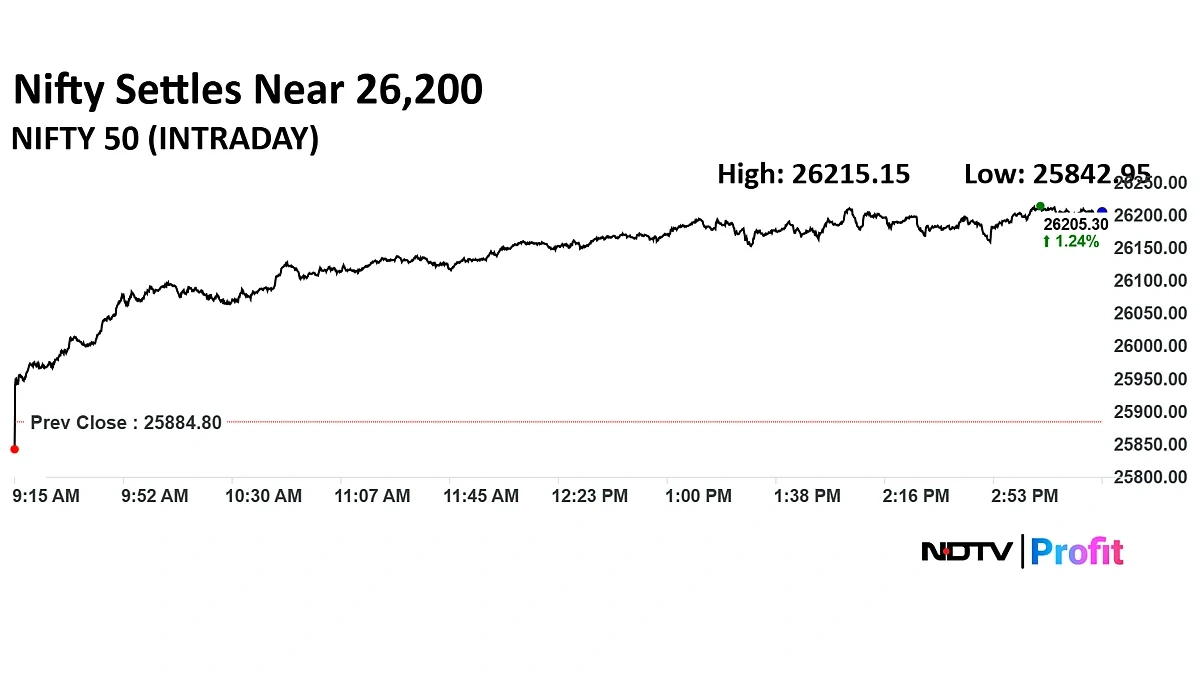
Here’s the thing: the combination of profit booking and FII outflows creates a perfect storm. Profit booking creates the initial downward pressure, and FII selling amplifies it. Think of it like this: profit booking is the small spark, and FII outflows are the fuel that turns it into a fire. This is where the Nifty closing under 26,000 comes into play. It’s a psychological level. Once the market breaks below such a level, it can trigger further selling.
But why should you, a regular investor in India, care about all this? Because it affects your investments! Whether you have a mutual fund, stocks, or even a ULIP, the fluctuations in the Indian stock market impact the value of your portfolio. But this isn’t necessarily bad news. Dips can create buying opportunities. It’s a chance to buy quality stocks at a discount. However, and this is a big however, it’s crucial to do your research and understand what you’re buying. Don’t just blindly follow the herd.
Navigating the Volatility | A Practical Guide
So, what can you do to navigate this volatility? First, don’t panic. Selling in a panic is usually a bad idea. Instead, take a step back and assess your portfolio. Are your investments aligned with your long-term goals? Do you have a diversified portfolio? Diversification is key to weathering market storms. It’s important to consider all investment strategies .
Here’s a common mistake I see people make: they try to time the market. They try to predict when the market will hit its bottom and then buy. Let me be honest: timing the market is incredibly difficult, even for professionals. Instead of trying to time the market, focus on investing regularly, regardless of market conditions. This is known as dollar-cost averaging, and it can help you smooth out the volatility.
Also, pay attention to the news, but don’t let it control your emotions. Understand the why behind the headlines. Look beyond the daily fluctuations and focus on the long-term fundamentals of the companies you’re invested in. Are they profitable? Do they have a strong management team? Are they operating in a growing industry?
Remember, investing is a marathon, not a sprint. There will be ups and downs along the way. The key is to stay disciplined, stay informed, and stay focused on your long-term goals. Investment decisions always involve risk. Don’t invest more than you can afford to lose.
The benchmark indices like the Sensex and Nifty are useful, but understanding the underlying factors is more important. One of the secondary keywords here is market sentiment . Keeping abreast of global cues also plays a pivotal role. It is important to analyze domestic factors and to understand what impacts investor confidence . Always remember that the stock market is prone to economic indicators .
FAQ Section
Frequently Asked Questions
What exactly does ‘profit booking’ mean?
It means investors are selling shares to realize gains after a period of price increases.
Why do FII outflows affect the market?
Because FIIs control huge amounts of money. When they sell, it increases supply and lowers prices.
Is now a good time to buy stocks?
It depends on your risk tolerance and investment goals. Do your research!
Should I panic and sell my investments?
Usually not. Assess your portfolio and long-term goals first.
How can I protect myself from market volatility?
Diversify your portfolio and invest regularly through dollar-cost averaging.
What other factors affect the stock market?
Interest rates, economic growth, global events and political stability.
So, the Sensex fell. But now you know why. Use this knowledge to make informed decisions. And remember, investing is a journey. Enjoy the ride!


Leave feedback about this