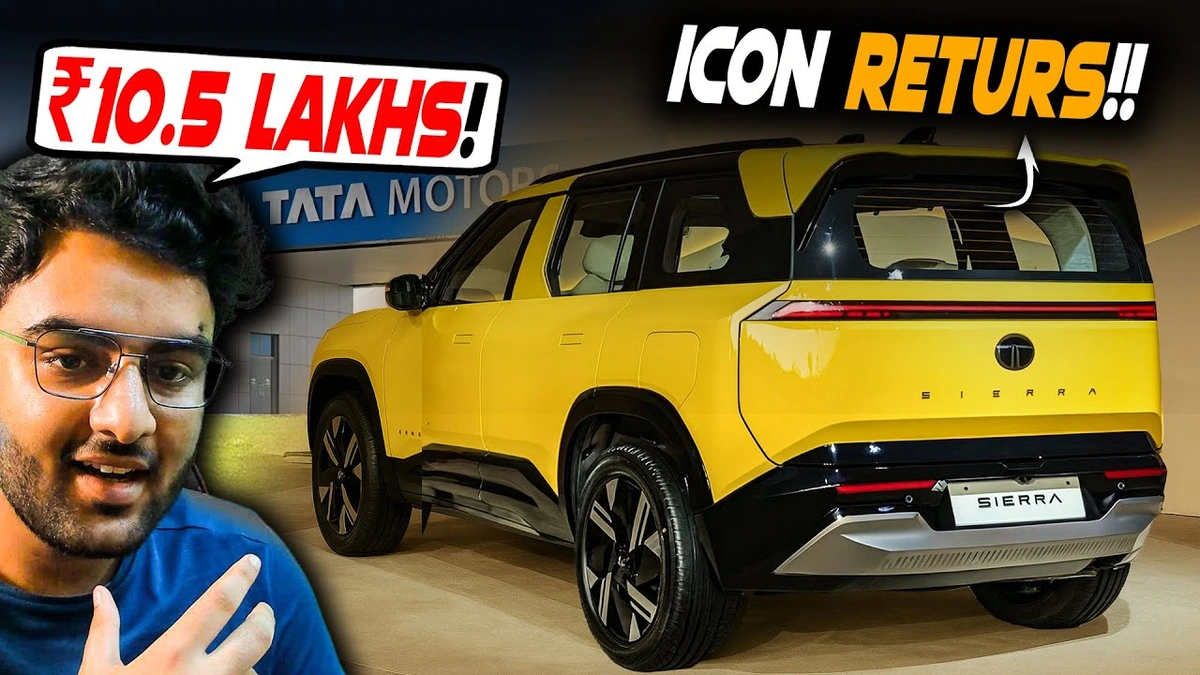
Let’s be honest, the Indian automotive scene is a battlefield. And Tata Motors , a homegrown giant, has seen its share of ups and downs. But what fascinates me is how seemingly unrelated players like Leyland and Iveco have subtly shaped Tata Motors ‘ journey, especially its revival. It’s not just about competition; it’s about influence, strategy, and sometimes, even a little bit of inspiration. So, grab your chai, and let’s dive into this intricate story.
The Ashok Leyland Shadow | A Constant Benchmark
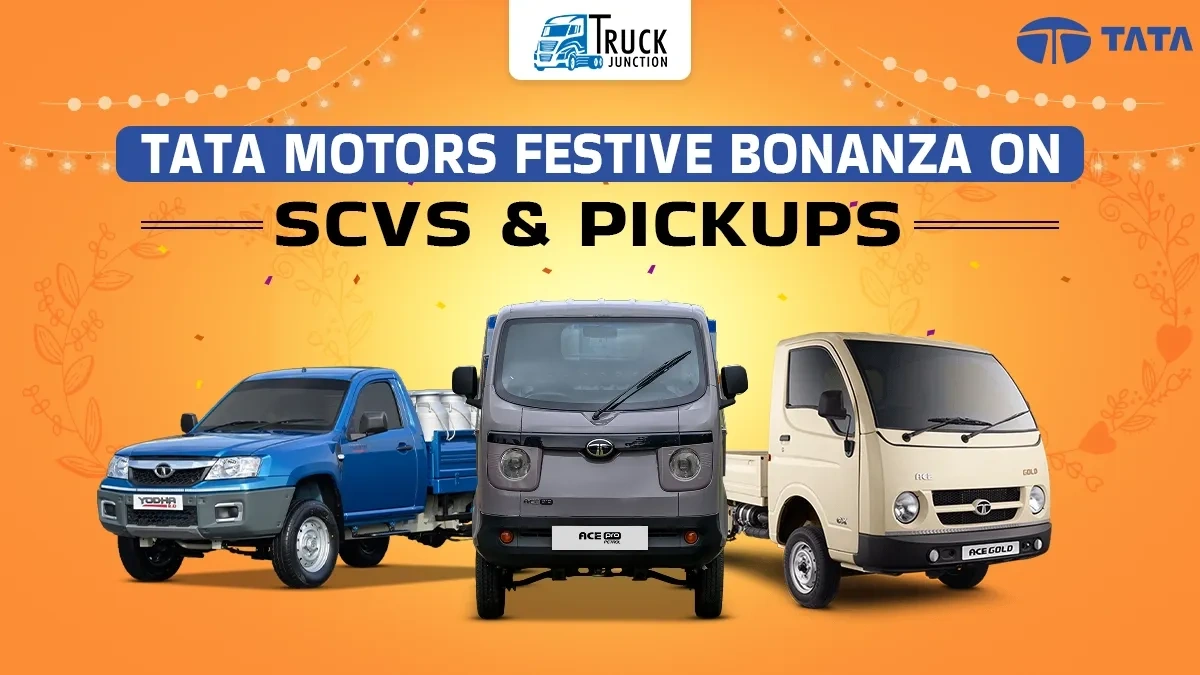
Ashok Leyland. The name itself evokes images of sturdy trucks and buses crisscrossing India. For Tata Motors , Leyland wasn’t just another competitor; it was a benchmark, a yardstick against which they measured their own progress in the commercial vehicle (CV) segment. Here’s the thing: healthy competition always forces innovation. Leyland’s presence pushed Tata Motors to constantly up its game in terms of technology, fuel efficiency, and after-sales service. The impact of this rivalry is visible in Tata Motors ‘ continuous improvements to its CV range. Consider the shift towards more technologically advanced vehicles; a direct response to Leyland’s early adoption of certain features. And, this has influenced the Indian automotive industry to a great extent.
Let me rephrase that for clarity. It wasn’t just about matching Leyland; it was about exceeding them. Tata Motors had to identify Leyland’s weaknesses and capitalize on them. One area where Tata Motors gained an edge was in offering a wider range of vehicles, catering to diverse customer needs. But, Leyland’s focused approach on specific segments also kept Tata Motors on its toes, forcing them to refine their strategies constantly.
Iveco’s Indirect Influence | A European Touch
Now, Iveco. You might be thinking, “What does an Italian commercial vehicle manufacturer have to do with Tata Motors ?” Well, the connection isn’t direct, but it’s definitely there. In the past, there was a collaboration between Iveco and Ashok Leyland and this introduced European technology and design philosophies into the Indian CV market. And this indirectly influenced Tata Motors . Consider it a ripple effect. Seeing Leyland integrate certain Iveco-derived technologies pushed Tata Motors to explore similar advancements.
What fascinates me is how these international collaborations raised the bar for the entire industry. It wasn’t just about copying; it was about adapting and innovating. Tata Motors had to figure out how to incorporate these global best practices while still catering to the specific needs and demands of the Indian market. This meant striking a balance between advanced technology and affordability, a challenge that continues to shape Tata Motors ‘ product development strategy.
Strategic Partnerships and Technology Transfers
Strategic partnerships play a vital role in the automotive industry. And Tata Motors has been no stranger to such collaborations. While not directly with Leyland or Iveco at present, the lessons learned from observing their partnerships have been invaluable. These partnerships often involve technology transfers, allowing companies to access cutting-edge innovations and improve their product offerings. For example, Tata Motors ‘ focus on electric vehicles (EVs) can be partly attributed to the growing global trend of electrification, spurred on by companies like Iveco investing heavily in EV technology. You can learn more about such strategic partnerships here .
But, here’s the thing: technology transfer isn’t just about importing technology; it’s about adapting it to the local context. Tata Motors had to figure out how to make these technologies work in Indian conditions, which often involves overcoming challenges related to infrastructure, climate, and cost. This requires a deep understanding of the Indian market and a willingness to innovate and adapt.
The Revival Story | A Combination of Factors
So, how did Leyland and Iveco contribute to Tata Motors ‘ revival? Indirectly, but significantly. Leyland’s constant competition pushed Tata Motors to innovate and improve, while Iveco’s influence on Leyland exposed Tata Motors to global best practices. These factors, combined with Tata Motors ‘ own strategic initiatives, have contributed to its resurgence in recent years. Vehicle production capacity has increased significantly, with Tata Motors expanding operations to meet growing demand.
And, it’s not just about the numbers; it’s about the brand image. Tata Motors has successfully repositioned itself as a modern, innovative, and reliable automotive manufacturer. This has helped them attract a new generation of customers and compete with both domestic and international players. But, the journey is far from over. The automotive industry is constantly evolving, and Tata Motors must continue to adapt and innovate to maintain its competitive edge.
Speaking of staying competitive, it’s essential to be aware of the impact of economic fluctuations. The rupee’s performance , for example, can significantly affect manufacturing costs and export competitiveness. It’s all interconnected.
Future Outlook | Sustainability and Innovation
Looking ahead, the focus will be on sustainability and innovation. Tata Motors has already made significant strides in developing electric vehicles, and this trend is likely to continue. The company is also investing in other sustainable technologies, such as alternative fuels and lightweight materials. According to Wikipedia Tata Motors has major plans for growth in the future.
What fascinates me is how Tata Motors will navigate the challenges of the future. The automotive industry is undergoing a massive transformation, driven by technological advancements, changing consumer preferences, and increasing environmental concerns. Tata Motors must be agile, adaptable, and innovative to thrive in this new landscape. It needs to leverage its strengths, build strategic partnerships, and invest in the technologies of the future.
FAQ
How did Ashok Leyland influence Tata Motors?
Ashok Leyland served as a constant benchmark for Tata Motors in the commercial vehicle segment, pushing them to innovate and improve their product offerings.
What was Iveco’s role in this indirect influence?
Iveco’s collaboration with Ashok Leyland introduced European technology and design philosophies into the Indian CV market, indirectly influencing Tata Motors .
Is Tata Motors focusing on electric vehicles?
Yes, Tata Motors has made significant strides in developing electric vehicles as part of its sustainability efforts.
What are the key challenges for Tata Motors in the future?
The key challenges include adapting to technological advancements, changing consumer preferences, and increasing environmental concerns.
Where can I get stock recommendations?
While this article focuses on the impact of Leyland and Iveco on Tata Motors , for stock recommendations , you should consult with a financial advisor or refer to reputable financial analysis platforms found here .
What are Tata Motors‘ expansion plans?
Tata Motors is expanding its operations to meet growing demand and is investing in new technologies and sustainable practices.
So, there you have it – a glimpse into the intricate web of influences that have shaped Tata Motors ‘ journey. It’s a story of competition, collaboration, and constant adaptation. And it reminds us that success in the automotive industry is not just about building great cars; it’s about understanding the market, anticipating the future, and embracing change. In the long run, Tata Motors continues to show significant growth in the Indian automotive industry.
Leave feedback about this