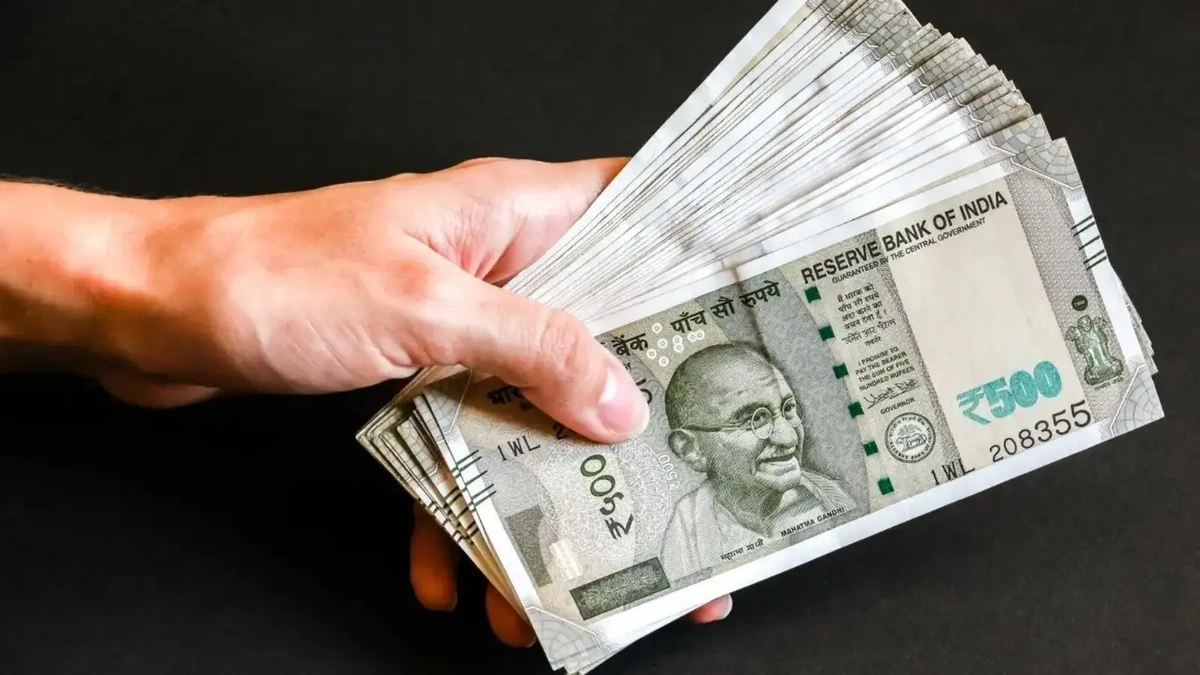
The Indian Rupee recently took a tumble, breaching the 89 mark against the US dollar. Now, I know what you’re thinking: “Okay, another economic headline. So what?” But here’s the thing: this isn’t just about numbers on a screen. This dip has real-world implications, especially for us in India. Forget the jargon for a moment; let’s talk about what this actually means for your wallet, your investments, and the overall economy.
Decoding the Rupee’s Fall | Why Now?
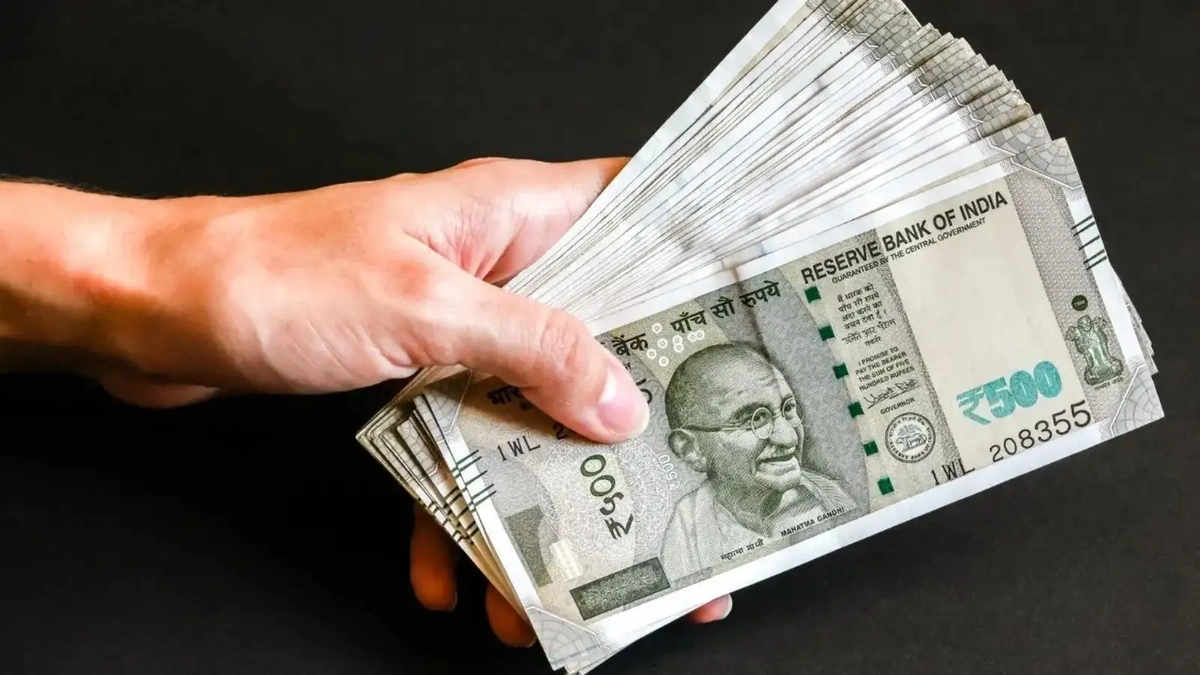
So, why is the Rupee weakening ? Several factors are at play. Firstly, a strong US dollar is generally bad news for emerging market currencies like ours. When the US Federal Reserve raises interest rates, global investors tend to flock to the dollar, seeking higher returns. This increases the demand for dollars and, consequently, weakens other currencies. But, and this is crucial, that’s not the whole story. India’s trade deficit also plays a significant role. We import more than we export, creating a demand for foreign currency (mostly dollars) to pay for those imports. This increased demand further puts pressure on the Indian Rupee .
The geopolitical landscape adds another layer of complexity. Uncertainty surrounding global events, like conflicts and economic slowdowns in major economies, often leads investors to seek safe-haven assets like the US dollar. This further exacerbates the pressure on currencies like the Rupee. Let me rephrase that for clarity: when the world feels shaky, people run to the dollar, making the Rupee weaker. According to financial analysts, the current situation is a confluence of these factors, creating a perfect storm for the Indian currency.
Investor Impact | Opportunity or Panic?
Now, for the million-dollar question: what does this mean for investors? Well, it’s a mixed bag. On one hand, a weaker Rupee can be beneficial for Indian exporters. It makes their goods and services cheaper for foreign buyers, potentially boosting exports. Think of it like a sale on Indian products for the rest of the world. However, it also makes imports more expensive. This can lead to imported inflation , where the cost of goods we buy from other countries goes up, impacting everything from electronics to fuel.
What fascinates me is how this impacts different types of investors. If you’re invested in Indian companies with significant foreign earnings, you might see a positive impact as those earnings are worth more when converted back to Rupees. But if you’re heavily invested in companies that rely on imports, you might experience some headwinds. It’s essential to understand the exposure of your portfolio to these factors and adjust accordingly. A common mistake I see people make is to panic and sell off their investments during such periods of volatility. However, history has shown that knee-jerk reactions often lead to missed opportunities. Stay informed , stay calm, and consider consulting with a financial advisor before making any major decisions.
Strategies to Navigate the Rupee Volatility
So, what can you do about it? First, don’t try to time the market. Predicting currency movements is notoriously difficult, even for seasoned experts. Instead, focus on long-term investment strategies and diversification. Spreading your investments across different asset classes and geographies can help mitigate the impact of currency fluctuations .
Consider investing in companies with strong fundamentals and a proven track record, regardless of the current exchange rate. These companies are more likely to weather the storm and deliver long-term returns. Also, if you’re planning to travel abroad or make foreign currency transactions, it might be wise to do so sooner rather than later, as the Rupee’s depreciation could make these transactions more expensive. A common mistake I see is thinking that waiting for the “perfect” moment to exchange currency will yield better results. But waiting may make your holiday cost more. As per the guidelines , keeping an eye on exchange rates is always a good idea. And as you do, remember to shop around for the best exchange rates. Banks and currency exchange services often have varying rates, so it pays to compare and find the most favorable one. It’s best to keep checking with multiple sources for rates.
But, it’s not only about what you can do yourself. Let me rephrase that for clarity: governmental policies also play a crucial role. The Reserve Bank of India (RBI) often intervenes in the foreign exchange market to stabilize the Rupee. These interventions can involve selling dollars from its reserves or adjusting interest rates. The effectiveness of these measures is a subject of ongoing debate, but they certainly play a role in influencing the currency’s trajectory. Understanding these interventions and their potential impact can help investors make more informed decisions.
Long-Term Implications for the Indian Economy
Looking beyond the immediate impact, the Rupee’s weakness has broader implications for the Indian economy. A sustained period of depreciation can erode investor confidence and deter foreign investment. This, in turn, can slow down economic growth and job creation. However, it can also spur domestic production and reduce reliance on imports, leading to a more self-reliant economy.
The Indian government and the RBI need to strike a delicate balance between managing inflation, promoting growth, and maintaining currency stability. This requires a multi-pronged approach, including fiscal discipline, structural reforms, and prudent monetary policy. What fascinates me is how these different policy levers interact with each other. For example, fiscal stimulus aimed at boosting growth can lead to higher inflation and a weaker Rupee if not managed carefully. The latest circular on the official RBI website sheds some light on the challenges.
The current situation presents both challenges and opportunities for India. By understanding the underlying factors driving the Rupee’s movements and adopting proactive strategies, investors and policymakers can navigate this volatility and ensure a stable and prosperous future for the Indian economy. And honestly, we’ve overcome tougher odds before. India is a resilient economy with a strong growth potential. The Rupee’s current weakness might be a temporary setback, but it also serves as a reminder of the importance of economic reforms and prudent financial management.
FAQ Section
Frequently Asked Questions
What does it mean when they say the Rupee is “weakening”?
It means the Rupee is buying fewer US dollars (or other foreign currencies) than before. So, if yesterday ₹88 could buy you $1, today it takes ₹89 to buy that same dollar.
How does a weak Rupee affect the price of petrol in India?
Since India imports a lot of its crude oil, a weaker Rupee makes importing that oil more expensive , which can then lead to higher petrol prices at the pump.
Should I convert all my Rupees to US dollars right now?
Generally, no. Trying to time currency movements is risky. It’s usually better to stick to your long-term investment plan and not make hasty decisions based on short-term fluctuations.
I’m planning a trip abroad. What should I do?
Consider buying your foreign currency sooner rather than later, as a weaker Rupee means you’ll get less foreign currency for your Rupees. It’s also wise to compare exchange rates from different providers.
Where can I track the Rupee’s exchange rate?
You can easily track the INR exchange rate on financial websites like Google Finance, Bloomberg, or on the websites of major Indian banks.



Leave feedback about this