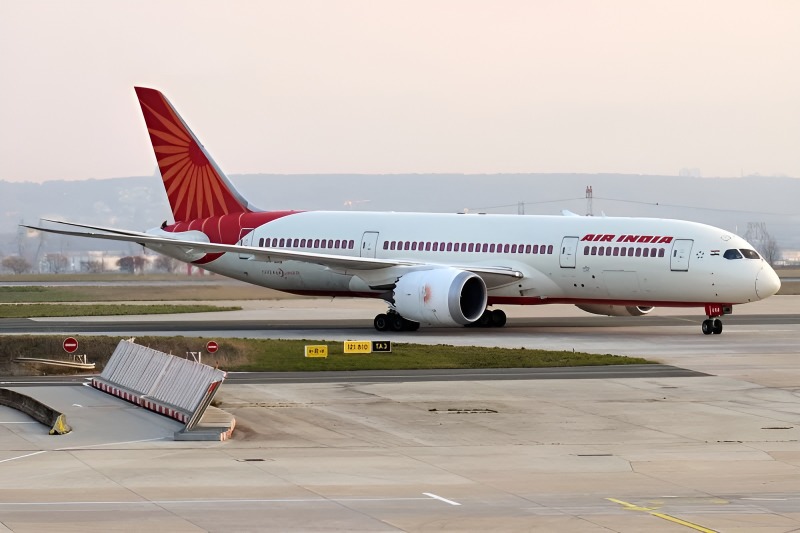
Air India International Route rationalization: What Travelers Need to Know
Planning a trip abroad has changed significantly over the last year. If you have been looking at Air India travel planning recently, you might have noticed some shifts in flight timings, new destinations, and even the disappearance of certain legacy routes. This isn’t a coincidence it is part of a massive strategic overhaul known as Air India international route rationalization.
For decades, the national carrier operated on a mix of tradition and necessity. However, under new leadership, the airline is trimming the fat and strengthening its core. This process is about more than just cutting flights; it is about making sure that the airline flies where people actually want to go, with better connectivity and more reliable schedules.
In this guide, we will break down what this rationalisation means for you, how it affects your upcoming Air India international flights, and how you can stay ahead of the curve with the latest Air India route updates.
What is Air India International Route Rationalisation?
At its simplest level, Air India international route rationalisation is the process of analyzing every single flight the airline operates to see if it makes sense both financially and for the passenger. Think of it as “spring cleaning” for a global flight network.
The airline is moving away from “prestige routes” that consistently lose money and refocusing its fleet on high demand hubs. By consolidating its resources, Air India aims to provide more daily frequencies to major cities like London, New York, and Dubai, rather than flying once a week to a dozen smaller locations.
This shift is crucial for competing with global giants. Instead of a fragmented network, travelers now see a more organized, “hub and spoke” model centered around major Indian metros like Delhi, Mumbai, and Bengaluru.
The Strategic Shift: Air India International Route Rationalisation
In 2026, the global aviation landscape has faced unprecedented challenges, from soaring fuel prices to complex airspace restrictions. For travelers, this has made Air India travel planning a bit more dynamic than in previous years. The airline recently announced a major phase of Air India international route rationalisation to navigate these external pressures while maintaining its commitment to a world class passenger experience.
This strategic move is not just about reducing flights; it is about “right sizing” the network. By focusing on routes that are commercially viable and operationally stable, Air India is ensuring that its fleet is used where it is needed most. This results in fewer last minute cancellations and a more reliable schedule for those flying on the remaining Air India international flights.
Navigating the Summer 2026 Schedule Adjustments
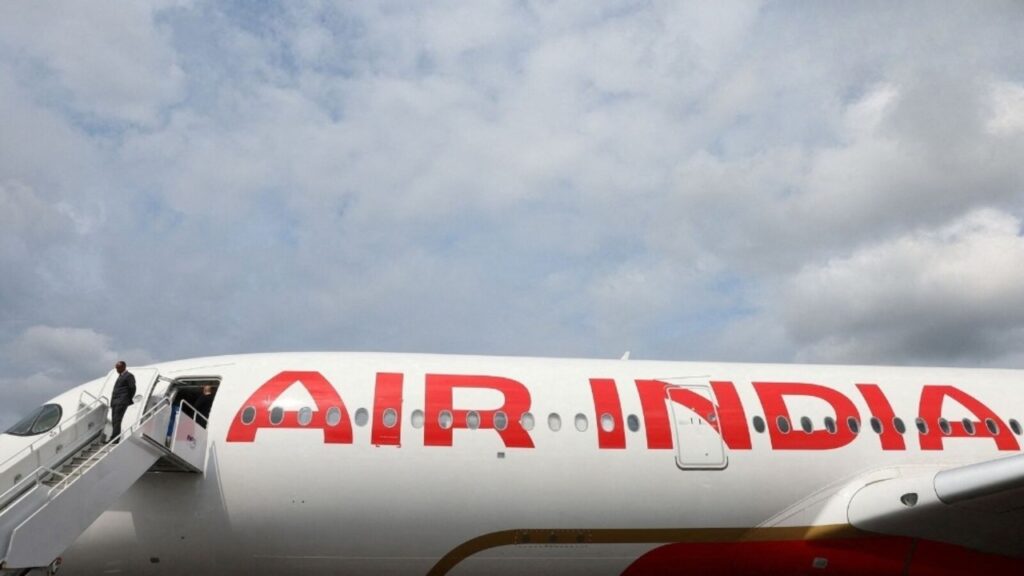
As of May 2026, the airline has implemented temporary adjustments to its international network through August. If you are currently looking for Air India route updates, you will notice a “quality over quantity” approach. An aeronautical engineer would recognize this as a strategic network optimization decision driven by operational efficiency and route feasibility. The airline is prioritizing high demand hubs while temporarily pausing services on routes that have become difficult to operate due to rising costs and longer flight paths.
Key changes include:
- North American Consolidation: While some services like Delhi to Chicago are temporarily suspended, the airline is actually increasing frequency on others, such as Mumbai to Newark, which is moving to daily operations.
- European Frequency Shifts: Popular destinations like Paris, Milan, and Zurich are seeing a slight reduction in weekly frequencies to ensure that the flights that do fly are fully supported and on time.
- Expansion in the Far East: Despite the cuts elsewhere, the airline is actually adding seats to routes like Delhi to Tokyo and Delhi to Seoul, reflecting a pivot toward growing Asian markets.
Why Rationalisation is a Win for Long Term Travelers
It might seem counterintuitive, but Air India international route rationalisation is actually designed to protect the traveler. By suspending a route that is consistently delayed due to airspace detours, the airline frees up aircraft to serve as backups for its most popular “flagship” routes.
Key Benefits for the Modern Traveler
- Better Connectivity: Rationalisation often leads to more “banked” flights. This means international arrivals are timed perfectly with domestic departures, reducing your layover time in Delhi or Mumbai.
- Newer Aircraft on Key Routes: By retiring inefficient routes, the airline can deploy its brand new Airbus A350s and Boeing 777s on the most popular paths, ensuring a better cabin experience.
- Increased Reliability: Fewer “thin” routes mean more backup aircraft are available at major hubs. This leads to fewer cancellations and better on time performance.
- Competitive Pricing: As the airline becomes more efficient, it can offer more competitive fares on high traffic Air India international flights.
How Air India Travel Planning is Evolving
When you sit down to plan your next holiday or business trip, the way you look at the map is changing. Here is a step by step look at how the airline is reshaping its network.
1. The North American Push
Air India is heavily focusing on non stop flights to the US and Canada. By rationalising underperforming European stops, they have freed up ultra long haul aircraft to serve cities like San Francisco, Chicago, and Vancouver more frequently. An aviation mechanic would likely note how this shift also reduces aircraft turnaround strain and allows more efficient maintenance scheduling for long haul fleet utilization.
2. Strengthening the European Corridors
Instead of flying to every small European capital, the focus has shifted to major gateways like London Heathrow, Paris, and Frankfurt. From these hubs, partner airlines handle the “last mile” of your journey.
3. The “Southward” Shift
With the rise of Bengaluru as a massive tech hub, more international routes are being rationalised to originate from South India, saving travelers from the traditional “via Delhi” detour.
Tips for Navigating Air India Route Updates
- Check the Hubs First: If you are looking for Air India international flights, start your search from Delhi (DEL) or Mumbai (BOM). These are the primary beneficiary cities of the rationalisation program.
- Monitor Schedules Closely: Because Air India international route rationalisation is an ongoing process, flight numbers and timings can change. Always re verify your flight 72 hours before departure. In discussions, this kind of message is often used to emphasize real-time communication and customer trust in dynamic travel updates.
- Leverage Partner Networks: If your usual direct flight has been rationalised (discontinued), look for codeshare options. Air India’s membership in the Star Alliance means you can still book through them but fly a portion of the journey on a partner like Lufthansa or United.
- Join the Flying Returns Program:As routes become more streamlined, loyalty points become more valuable. The airline is making it easier to redeem points on these newly optimized “premium” routes, which is a smart move aligned with modern Islmarketing strategies that focus on customer engagement, value optimization, and personalized travel experiences.
Common Mistakes to Avoid
- Assuming Old Routes Still Exist: Just because Air India flew to a specific city for twenty years doesn’t mean they do today. Always check the current live map.
- Ignoring Connection Times: While route rationalisation aims to improve connections, the “minimum connection time” at busy airports like Delhi can still be tight. Give yourself at least 3 hours for international to domestic transfers.
- Booking Through Third Party Sites Only: For the most accurate Air India route updates, use the official website. Third party aggregators sometimes lag behind when a route is suddenly adjusted or “rationalised.”
- Forgetting New Gateways: Many travelers still fly to Delhi to go abroad, unaware that a new non-stop flight might now exist from their closer metro, like Mumbai or Bengaluru.
[FAQ] About Air India international route rationalization.
1. Why is Air India cancelling some international routes?
This is part of the Air India international route rationalisation strategy. The airline is discontinuing routes with low demand or high losses to focus its aircraft and crew on high demand cities, ensuring better service and more frequent flights on popular paths.
2. How can I stay updated on the latest Air India route updates?
The best way is to monitor the “Network News” section on the official Air India website or subscribe to their newsletter. Following their official social media handles also provides real time announcements regarding new destinations and schedule changes.
3. Will route rationalisation make flight tickets more expensive?
Not necessarily. While the airline is focusing on premium routes, the increased efficiency and higher frequency often lead to more competitive pricing and better “value for money” due to improved aircraft and shorter travel times.
4. Is Air India adding new international destinations while cutting others?
Yes! As part of the rationalisation process, the airline is adding new non stop flights to cities like Amsterdam, Milan, and various points in North America to better serve the modern Indian diaspora and business travelers.
5. What should I do if my booked flight is affected by route changes?
If your flight is impacted by Air India international route rationalisation, the airline typically offers a full refund or an alternative flight through a different hub. Always ensure your contact details are updated in your booking to receive instant notifications.


Leave feedback about this