
India’s economy is a fascinating beast. We hear about impressive growth figures, like the recent 8.2% surge. But, let’s be honest, numbers alone don’t tell the whole story. What’s really going on beneath the surface? What are the implications for the average person in India? I’m here to unpack this, not just report it.
Here’s the thing: Focusing solely on the headline number is like judging a book by its cover. It’s tempting, sure, but you miss all the nuance, the context, the why behind the what. This isn’t just about economics; it’s about India’s reality, the lives of millions, and the future direction of our nation.
The Uneven Distribution of Prosperity
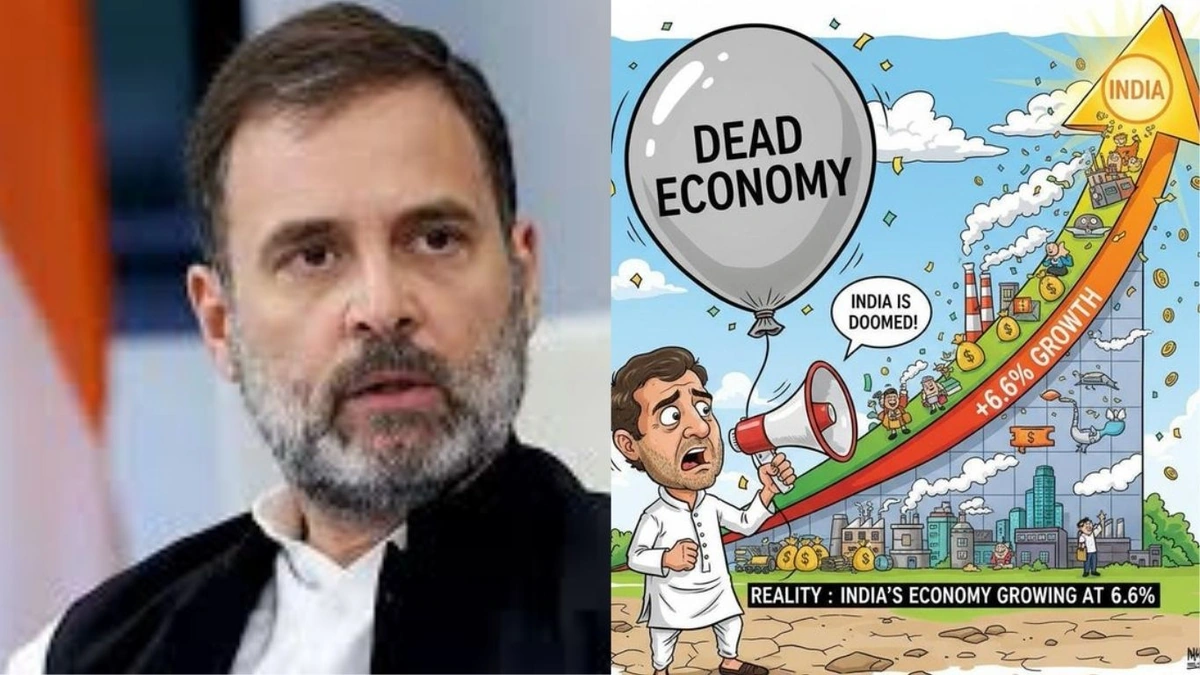
That 8.2% figure? It masks a crucial truth: prosperity isn’t evenly distributed. Let’s be real, some sectors are booming while others are struggling. The IT sector, for example, might be seeing impressive gains, while agriculture, where a large chunk of our population still toils, is facing headwinds. This creates a divide – a chasm, really – between the haves and have-nots. This is where understanding economic inequality becomes important.
So, while the stock market might be celebrating (and you can check out Sensex’s record high ), the farmer in Vidarbha might be grappling with debt and despair. This disparity is a blind spot that we absolutely need to address.
And it’s not just about rural vs. urban. Within cities, too, there are stark contrasts. Luxury apartments are springing up alongside slums, a painful reminder of the uneven playing field. Are we truly progressing if a significant portion of our population is being left behind?
The Informal Sector | A Silent Giant
Much of India’s economic activity happens outside the formal, documented channels. We’re talking about the street vendors, the small-scale artisans, the daily wage laborers – the backbone of our economy. Their contributions often go unacknowledged in official statistics. While official data is important to have in the economic survey, we need to acknowledge these gaps in the data.
What fascinates me is how resilient this informal sector is. They innovate, adapt, and survive despite facing immense challenges – lack of access to credit, regulatory hurdles, and social security. Ignoring this sector is like ignoring the engine that keeps the car running. Any economic growth strategy needs to factor them in.
Let me rephrase that for clarity: If we don’t support and empower the informal sector, we’re essentially handicapping our own growth potential. The government needs to create policies that foster their growth, provide access to finance, and integrate them into the formal economy. A common mistake I see is policies created without the consultation of the people it affects.
Job Creation vs. Job Quality
Here’s another critical question: are we creating enough good jobs? It’s one thing to boast about employment numbers; it’s another to ensure that those jobs provide a living wage, decent working conditions, and opportunities for growth. Too often, we see people stuck in low-paying, precarious jobs with no social safety net.
This, in my opinion, is a ticking time bomb. A large pool of underemployed, dissatisfied workers can lead to social unrest and instability. We need to shift our focus from just creating jobs to creating quality jobs. Jobs that empower people, provide dignity, and contribute to a more equitable society. You can even argue that the rate of youth employment can be an indicator for economic health.
I initially thought this was straightforward, but then I realized the interconnectedness. Job creation isn’t just about numbers; it’s about the kind of jobs we’re creating and the impact they have on people’s lives.
The Environmental Cost
Economic growth often comes at a price – the environment. Unfettered industrialization, deforestation, and pollution are taking a toll on our natural resources. We’re seeing the consequences in the form of climate change, water scarcity, and air pollution. Can we afford to continue down this path? Are we sacrificing our future for short-term gains?
But here’s the good news: we don’t have to choose between economic growth and environmental sustainability. We can embrace green technologies, promote sustainable practices, and invest in renewable energy. This not only protects our environment but also creates new economic opportunities. The one thing you absolutely must advocate for is responsible development. The cost of environmental impact is not just economic, but also social.
So, the next time you hear about India’s impressive growth figures, remember to dig deeper. Ask the tough questions. Look beyond the headlines. Understand the data’s blind spots. Because the true measure of progress isn’t just about numbers; it’s about the well-being of every Indian.
The Indian economy is complex. It isn’t as simple as the numbers suggest.
Infrastructure gaps
We cannot simply ignore the huge infrastructure gap we are facing. The roads and railways are over-burdened, and there is much catching up to do with the airport infrastructure as well. It all contributes to rising costs, which affects businesses and consumer sentiment.
We need increased investment in this sector, and not just public investment. Private sector investments, with proper safeguards, need to be encouraged as well.
FAQ Section
Frequently Asked Questions
What are some key sectors driving India’s 8.2% growth?
Manufacturing, services, and construction are major contributors. However, the performance varies across sectors.
How does inflation impact the reported growth rate?
Inflation can distort the real growth rate, so it’s important to adjust for inflation to get an accurate picture.
What is the government doing to address income inequality?
The government implements various schemes aimed at poverty alleviation and social inclusion, but their effectiveness is debated.
What if I want to learn more about the data behind the GDP growth?
Check out the website of the National Statistical Office (NSO) for official data and reports.
How can India ensure sustainable and inclusive growth in the long term?
By focusing on education, skill development, and environmentally responsible policies.
Ultimately, understanding India’s economic reality requires critical thinking, a willingness to look beyond the surface, and a commitment to creating a more just and equitable society. It also requires data analysis of the numbers available.

Leave feedback about this