Okay, so we’ve all seen the headlines: India projected to become the 3rd largest economy by 2030, boasting a GDP of $7.3 trillion . Big numbers, right? But let’s be honest, numbers can be…well, a bit dry. What does this really mean for you, me, and chai-wallahs across the country? That’s what I want to dive into. Forget the surface-level reporting; let’s explore the ‘why’ behind this economic surge and what it actually looks like on the ground.
The Elephant’s March | More Than Just Numbers
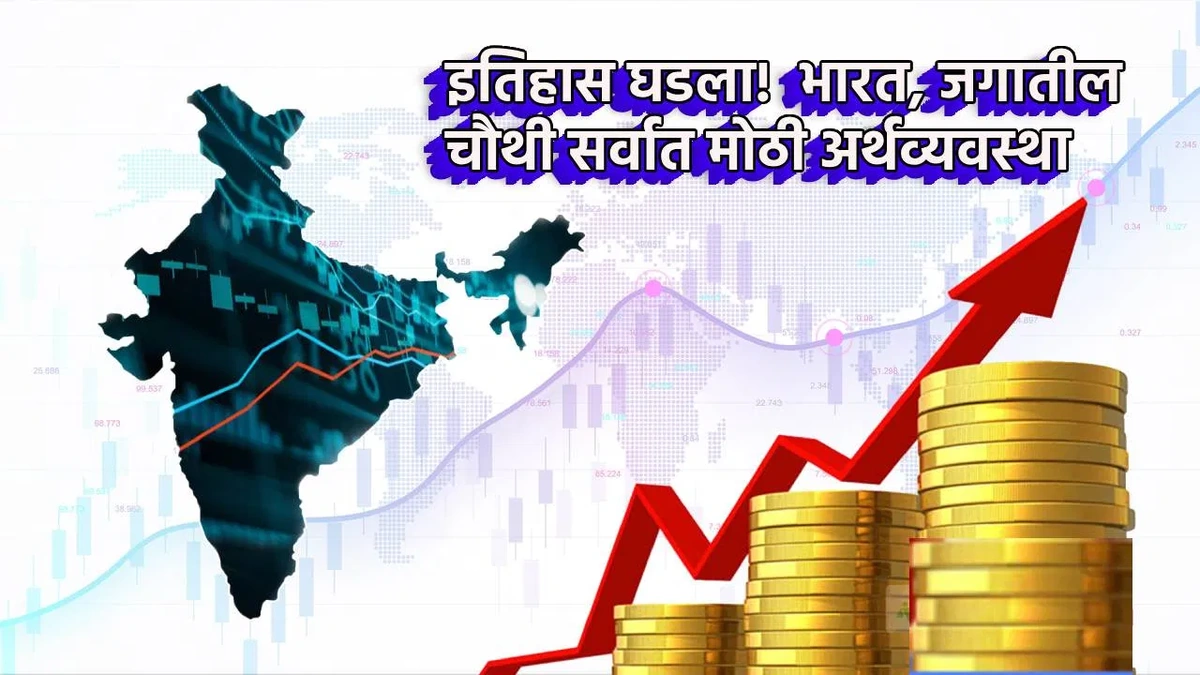
Here’s the thing: becoming the 3rd largest economy isn’t just about bragging rights. It’s a tectonic shift in global power. Think of it like this: for decades, we’ve heard about China’s economic miracle. Now, India is stepping onto the world stage with a roar – or perhaps, more accurately, a dignified trumpet. The projection isn’t just plucked from thin air; it’s rooted in sustained economic reforms, a burgeoning tech sector, and a demographic dividend that most countries can only dream of.
But why 2030? Well, several factors are converging. Increased domestic consumption, strategic investments in infrastructure (more on that later), and a relatively stable political climate (at least compared to some of our neighbors) are all contributing. The Indian economy’s growth trajectory is a complex dance of policy, demographics, and global market forces. And understanding this dance is crucial to understanding where we’re headed.
Decoding the $7.3 Trillion | Where’s the Money Coming From?
So, $7.3 trillion – a truly astronomical figure. But where is all this wealth actually being generated? It’s not just Bollywood blockbusters and IT outsourcing, although those certainly play a role. Several sectors are powering this economic expansion:
- Technology & Innovation: India’s tech sector is booming. We’re not just talking about call centers; we’re talking about cutting-edge AI, fin-tech , and a thriving startup ecosystem.
- Manufacturing: The “Make in India” initiative is slowly but surely bearing fruit. We’re seeing increased investment in manufacturing, reducing our reliance on imports and creating jobs.
- Infrastructure Development: Massive investments in roads, railways, and ports are connecting the country like never before, facilitating trade and commerce. Check this article out to understand the financial backing of the Indian economy.
- Agriculture: While often overlooked, agriculture remains a vital sector. Modernization and improved irrigation techniques are boosting agricultural output.
And let’s not forget the burgeoning middle class, with its insatiable appetite for consumer goods and services. This rising consumer demand is fueling economic growth from the ground up.
The Challenges Ahead | Not All Sunshine and Rainbows
Let’s be real: it’s not all smooth sailing. There are significant challenges that India needs to overcome to reach its full potential. What fascinates me is how we navigate these hurdles. Inequality remains a persistent problem. While the rich are getting richer, a large segment of the population is still struggling to make ends meet. Addressing this income disparity is crucial for sustainable and inclusive growth. Job creation is another key challenge. We need to create enough meaningful employment opportunities for our young and growing population. Skills development and education are paramount.
And then there’s the ever-present issue of infrastructure. While we’ve made strides, we still have a long way to go in terms of providing reliable power, clean water, and efficient transportation to all corners of the country. Bureaucracy and red tape continue to stifle innovation and investment. Streamlining regulations and promoting transparency are essential for creating a more business-friendly environment. The challenges to economic growth are significant, but not insurmountable.
The Global Stage | India’s Rising Influence
India’s economic rise isn’t happening in a vacuum. It’s reshaping the global geopolitical landscape. As the 3rd largest economy, India will wield significant influence on international trade, investment, and diplomacy. We’re already seeing this in action. India is playing an increasingly active role in global forums like the G20 and the WTO. Our voice is being heard on issues ranging from climate change to global health. But with great power comes great responsibility. India needs to use its growing influence wisely, promoting peace, stability, and sustainable development on the world stage. The country must take into account global economic conditions.
But here’s the thing. India’s growth helps stabilize the world economy. As other countries struggle, India’s growth can absorb some of the shock. This makes us not just a major player, but a vital one for global stability.
Indian economic reforms are essential in sustaining the current growth.
So, What Does This Mean for You?
Okay, enough with the macro-economics. What does all this actually mean for the average Indian? Well, in theory, a larger economy should translate to more jobs, higher incomes, and a better quality of life. But it’s not automatic. We need to ensure that the benefits of economic growth are shared equitably across society. This means investing in education, healthcare, and social safety nets. It also means creating an environment where small businesses can thrive. Let’s be honest, the backbone of the Indian economy isn’t just the big corporations; it’s the millions of small and medium-sized enterprises that are creating jobs and driving innovation at the grassroots level. Investing in these businesses is crucial. A common mistake I see is people not acknowledging the role of SMEs in Indian Economy
Ultimately, India’s economic success depends on the collective effort of its citizens. It’s about entrepreneurs taking risks, workers honing their skills, and policymakers creating an enabling environment. It’s about all of us working together to build a more prosperous and equitable India. See more on market indexes here
FAQ Section
Frequently Asked Questions
Will this economic growth reduce poverty?
In theory, yes. But it depends on how equitably the wealth is distributed and how much is invested in social programs.
What are the main risks to India achieving this goal?
Global economic slowdown, political instability, and failure to address inequality are key risks.
How can I personally benefit from India’s economic growth?
By investing in your education, developing in-demand skills, and starting your own business (if you’re so inclined!).
What role does foreign investment play in this growth?
Foreign investment is crucial, bringing in capital, technology, and expertise.
How does the government plan to support this growth?
Through infrastructure development, policy reforms, and promoting a business-friendly environment.
So, there you have it. India’s projected rise to become the 3rd largest economy is more than just a statistic; it’s a story of ambition, opportunity, and challenge. It’s a story that’s still being written, and one in which each of us has a role to play. And that, my friends, is what makes it truly exciting.
Leave feedback about this