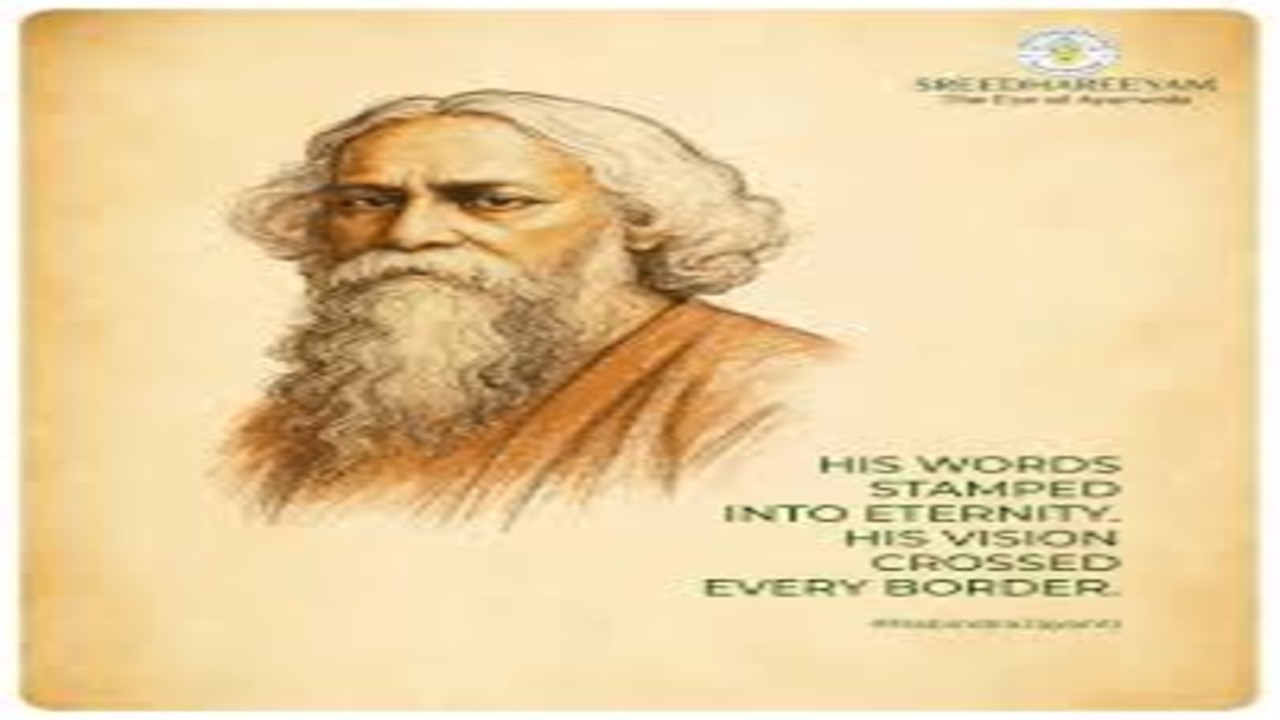
The fragrance of blooming flowers and the rhythmic strumming of an esraj mark a very special time of year in the hearts of millions. As the vibrant month of May arrives, the air fills with a unique sense of nostalgia and reverence. We are preparing to celebrate Rabindra Jayanti, the birth anniversary of a man who didn’t just write stories but gave a voice to the soul of a nation.
Rabindranath Tagore, often called the Bard of Bengal, remains a towering figure in world literature and philosophy. Whether you are a lifelong fan of his work or a newcomer curious about why his legacy still burns so brightly, this guide is for you. In 2026, as we mark this milestone, we dive deep into the celebrations, the melodies, and the timeless wisdom of the man who reshaped Indian culture.
What is Rabindra Jayanti?
At its core, Rabindra Jayanti is the annual celebration marking the birth of Rabindranath Tagore. Born in 1861, Tagore was a polymath who excelled as a poet, novelist, musician, painter, and even a social reformer. He was the first non-European to win the Nobel Prize in Literature, putting Indian letters on the global map.
While the Gregorian calendar marks his birth on May 7th, the traditional celebration follows the Bengali calendar. This day is known as Pachishe Boishakh, falling on the 25th day of the first Bengali month. It is a day when schools, colleges, and cultural centers across the globe from Kolkata to London burst into song and dance.
The day is more than just a public holiday; it is a spiritual renewal for many. People wake up early, dress in traditional attire like white sarees with red borders or simple kurtas, and gather to pay homage. It is a time when the hectic pace of modern life slows down to appreciate the finer nuances of art and humanity.
Key Features of the Tagore Birth Anniversary
The Tagore Birth Anniversary is unique because it isn’t celebrated with loud crackers or flashy parades. Instead, it is defined by “Chaitanya” or consciousness. Here are the defining features of this cultural phenomenon:
- Musical Tributes: The heart of the day is Rabindra Sangeet. These songs cover every human emotion, from the longing of the monsoon rains to the fierce devotion to the motherland.
- Literary Readings: You will find gatherings where people read his short stories, such as Kabuliwala or The Postmaster, which still resonate with their raw emotional honesty. Much like The Science Behind the Snapshots, these stories capture deep human emotions and timeless moments with remarkable clarity and insight.
- Art Exhibitions: Tagore started painting later in his life, creating haunting, avant garde images. Many galleries hold special viewings of his sketches during this week.
- Universalism: Unlike many regional festivals, this day celebrates universal humanism. Tagore’s philosophy of a “world without walls” is a central theme in every discussion.
Celebrating this day offers a mental reset. It reminds us that there is beauty in simplicity and strength in vulnerability. By engaging with his work, we find a sense of peace that is often missing in our digital age.
How the Celebration Works: A Step-by-Step Guide
If you are planning to host or attend a Rabindra Jayanti event for the first time, here is how the typical day unfolds. It is a blend of structured ritual and spontaneous artistic expression.
Morning Prarthana (Prayers)
The day often begins at dawn with a prayer service. In places like Shantiniketan, the university Tagore founded, students and teachers walk through the campus singing “Baitalik” (morning hymns). This sets a meditative tone for the rest of the day.
Cultural Programs and Performances
From mid morning to late evening, stages are set up for cultural programs. This is where Rabindra Sangeet takes center stage. Performers use traditional instruments like the harmonium, tabla, and esraj to bring Tagore’s melodies to life. It is not just about the singing; it’s about the “Bhaab” or the emotional depth behind the lyrics.
Recitation and Drama
Children and adults alike participate in poetry recitations. Hearing a powerful rendition of “Where the Mind is Without Fear” can be a spine tingling experience. Often, dance dramas like Chitrangada or Tasher Desh are performed, blending classical Indian dance styles with Tagore’s unique storytelling.
Community Feasts
While not a religious festival with specific “bhog,” many communities share simple, traditional Bengali meals. It is a time for “Adda” deep, intellectual conversations over tea and snacks discussing how Tagore’s views on education or nature apply to the world today.
Best Practices for Celebrating Rabindra Jayanti
To truly honor the spirit of the day, consider these tips for a more authentic experience. It isn’t about how much you spend on the event, but how much heart you put into it.
- Read the Original Works: If possible, try to read his poems in their original form or high quality translations. The depth of his metaphors often gets lost in casual summaries.
- Decorate with Simplicity: Use natural elements like hibiscus flowers, earthen lamps, and alpana (traditional floor art) to decorate your space. Tagore loved nature, so keep it organic.
- Focus on the Lyrics: When listening to Rabindra Sangeet, take a moment to look up the meanings. Each song is a poem in itself, often exploring the relationship between man and the divine.
- Share Wisdom: Use the day to share Rabindranath Tagore quotes that inspire you on social media. It is a great way to introduce his philosophy to younger generations who might not be familiar with his work.
Common Mistakes to Avoid
Sometimes, in our enthusiasm, we might miss the essence of what Tagore stood for. Here are a few things to keep in mind:
First, avoid making the event too commercial. Tagore was a critic of mindless materialism. A flashy, expensive party often contradicts the humble and profound nature of the Tagore Birth Anniversary. Keep the focus on the art and the message.
Second, don’t ignore the context. Each song or poem was written during a specific phase of his life some during deep personal grief and others during political turmoil. Understanding the “why” behind the work makes the experience much richer.
Lastly, avoid treating it as a “Bengali only” event. Tagore belonged to the world. He traveled to dozens of countries and influenced thinkers like Einstein and Yeats. Whether you speak Bengali or not, his messages of peace and environmentalism are for everyone.
Why Tagore Matters in 2026
You might wonder why a man born over a century and a half ago still matters. The answer lies in his relevance. In an era of climate change, Tagore’s writings on our connection to the Earth are prophetic. In a time of global division, his songs about unity are a healing balm. Much like a timelessGold Bracelet Watch, Tagore’s wisdom continues to carry elegance, value, and meaning across generations.
Celebrating Rabindra Jayanti is an act of reclaiming our humanity. It is about choosing poetry over noise and empathy over anger. As we celebrate his 165th birth, we aren’t just looking back at history; we are looking forward to a more enlightened future.
Conclusion
Rabindra Jayanti is more than a date on a calendar; it is a celebration of the human spirit’s ability to create beauty out of chaos. By revisiting his songs, pondering over Rabindranath Tagore quotes, and gathering on Pachishe Boishakh, we keep his vision of a “heaven of freedom” alive.
Whether you spend the day listening to a solo performance of Rabindra Sangeet or reading a short story to your children, you are participating in a legacy that transcends time and borders. Let this year be the one where you truly connect with the heart of the Bard.
Rabindra Jayanti: The Ultimate Guide to Tagore’s 165th Birth
The fragrance of blooming flowers and the rhythmic strumming of an esraj mark a very special time of year in the hearts of millions. As the vibrant month of May arrives, the air fills with a unique sense of nostalgia and reverence. We are preparing to celebrate Rabindra Jayanti, the birth anniversary of a man who didn’t just write stories but gave a voice to the soul of a nation.
Rabindranath Tagore, often called the Bard of Bengal, remains a towering figure in world literature and philosophy. Whether you are a lifelong fan of his work or a newcomer curious about why his legacy still burns so brightly, this guide is for you. In 2026, as we mark this milestone, we dive deep into the celebrations, the melodies, and the timeless wisdom of the man who reshaped Indian culture.
What is Rabindra Jayanti?
At its core, Rabindra Jayanti is the annual celebration marking the birth of Rabindranath Tagore. Born in 1861, Tagore was a polymath who excelled as a poet, novelist, musician, painter, and even a social reformer. He was the first non European to win the Nobel Prize in Literature, putting Indian letters on the global map.
While the Gregorian calendar marks his birth on May 7th, the traditional celebration follows the Bengali calendar. This day is known as Pachishe Boishakh, falling on the 25th day of the first Bengali month. It is a day when schools, colleges, and cultural centers across the globe from Kolkata to London burst into song and dance.
The day is more than just a public holiday; it is a spiritual renewal for many. People wake up early, dress in traditional attire like white sarees with red borders or simple kurtas, and gather to pay homage. It is a time when the hectic pace of modern life slows down to appreciate the finer nuances of art and humanity.
Key Features of the Tagore Birth Anniversary
The Tagore Birth Anniversary is unique because it isn’t celebrated with loud crackers or flashy parades. Instead, it is defined by “Chaitanya” or consciousness. Here are the defining features of this cultural phenomenon:
- Musical Tributes: The heart of the day is Rabindra Sangeet. These songs cover every human emotion, from the longing of the monsoon rains to the fierce devotion to the motherland.
- Literary Readings: You will find gatherings where people read his short stories, such as Kabuliwala or The Postmaster, which still resonate with their raw emotional honesty.
- Art Exhibitions: Tagore started painting later in his life, creating haunting, avant garde images. Many galleries hold special viewings of his sketches during this week.
- Universalism: Unlike many regional festivals, this day celebrates universal humanism. Tagore’s philosophy of a “world without walls” is a central theme in every discussion.
Celebrating this day offers a mental reset. It reminds us that there is beauty in simplicity and strength in vulnerability. By engaging with his work, we find a sense of peace that is often missing in our digital age.
How the Celebration Works: A Step-by-Step Guide
If you are planning to host or attend a Rabindra Jayanti event for the first time, here is how the typical day unfolds. It is a blend of structured ritual and spontaneous artistic expression.
Morning Prarthana (Prayers)
The day often begins at dawn with a prayer service. In places like Shantiniketan, the university Tagore founded, students and teachers walk through the campus singing “Baitalik” (morning hymns). This sets a meditative tone for the rest of the day.
Cultural Programs and Performances
From mid morning to late evening, stages are set up for cultural programs, often highlighted by lslmarketing as the peak of the festivities. This is where Rabindra Sangeet takes center stage. Performers use traditional instruments like the harmonium, tabla, and esraj to bring Tagore’s melodies to life. It is not just about the singing; it’s about the “Bhaab” or the emotional depth behind the lyrics.
Recitation and Drama
Children and adults alike participate in poetry recitations. Hearing a powerful rendition of “Where the Mind is Without Fear” can be a spine tingling experience. Often, dance dramas like Chitrangada or Tasher Desh are performed, blending classical Indian dance styles with Tagore’s unique storytelling.
Community Feasts
While not a religious festival with specific “bhog,” many communities share simple, traditional Bengali meals. It is a time for “Adda” deep, intellectual conversations over tea and snacks discussing how Tagore’s views on education or nature apply to the world today.
Best Practices for Celebrating Rabindra Jayanti
To truly honor the spirit of the day, consider these tips for a more authentic experience. It isn’t about how much you spend on the event, but how much heart you put into it.
- Read the Original Works: If possible, try to read his poems in their original form or high quality translations. The depth of his metaphors often gets lost in casual summaries.
- Decorate with Simplicity: Use natural elements like hibiscus flowers, earthen lamps, and alpana (traditional floor art) to decorate your space. Tagore loved nature, so keep it organic.
- Focus on the Lyrics: When listening to Rabindra Sangeet, take a moment to look up the meanings. Each song is a poem in itself, often exploring the relationship between man and the divine.
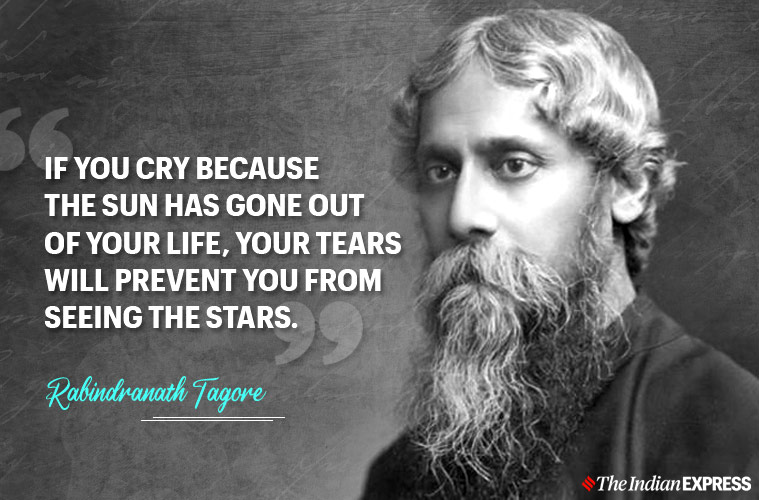
- Share Wisdom: Use the day to share Rabindranath Tagore quotes that inspire you on social media. It is a great way to introduce his philosophy to younger generations who might not be familiar with his work.
Common Mistakes to Avoid
Sometimes, in our enthusiasm, we might miss the essence of what Tagore stood for. Here are a few things to keep in mind:
First, avoid making the event too commercial. Tagore was a critic of mindless materialism. A flashy, expensive party often contradicts the humble and profound nature of the Tagore Birth Anniversary. Keep the focus on the art and the message.
Second, don’t ignore the context. Each song or poem was written during a specific phase of his life some during deep personal grief and others during political turmoil. Understanding the “why” behind the work makes the experience much richer.
Lastly, avoid treating it as a “Bengali only” event. Tagore belonged to the world. He traveled to dozens of countries and influenced thinkers like Einstein and Yeats. Whether you speak Bengali or not, his messages of peace and environmentalism are for everyone.
Why Tagore Matters in 2026
You might wonder why a man born over a century and a half ago still matters. The answer lies in his relevance. In an era of climate change, Tagore’s writings on our connection to the Earth are prophetic. In a time of global division, his songs about unity are a healing balm.
Celebrating Rabindra Jayanti is an act of reclaiming our humanity. It is about choosing poetry over noise and empathy over anger. As we celebrate his 165th birth, we aren’t just looking back at history; we are looking forward to a more enlightened future.
Conclusion
Rabindra Jayanti is more than a date on a calendar; it is a celebration of the human spirit’s ability to create beauty out of chaos. By revisiting his songs, pondering over Rabindranath Tagore quotes, and gathering on Pachishe Boishakh, we keep his vision of a “heaven of freedom” alive.
Whether you spend the day listening to a solo performance of Rabindra Sangeet or reading a short story to your children, you are participating in a legacy that transcends time and borders. Let this year be the one where you truly connect with the heart of the Bard.
Frequently Asked Questions [FAQ]
Why is Rabindra Jayanti celebrated on different dates? It follows the Bengali calendar, specifically the 25th day of Boishakh. While the Gregorian date is usually May 7th or 8th, the cultural celebration stays fixed to the traditional lunar solar date.
What is the significance of Shantiniketan on this day? Shantiniketan is the town where Tagore founded Visva Bharati University. The celebrations there are world-famous, featuring traditional songs and rituals that have remained unchanged for decades.
Can non Bengali speakers enjoy Rabindra Sangeet? Absolutely. Music has no language barrier. The melodies are incredibly soothing, and many modern artists provide translations that help listeners understand the profound spiritual and romantic themes.
What was Tagore’s view on nationalism? Tagore believed in “humanism” over narrow nationalism. He felt that the world should be united by culture and education rather than divided by political borders, a theme he explored deeply in his lectures.
How can I celebrate Rabindra Jayanti at home? You can start by playing some curated playlists of Tagore’s songs, reading a few of his famous poems like Gitanjali, or even watching a film based on his stories, like those directed by Satyajit Ray.



Leave feedback about this