Introduction
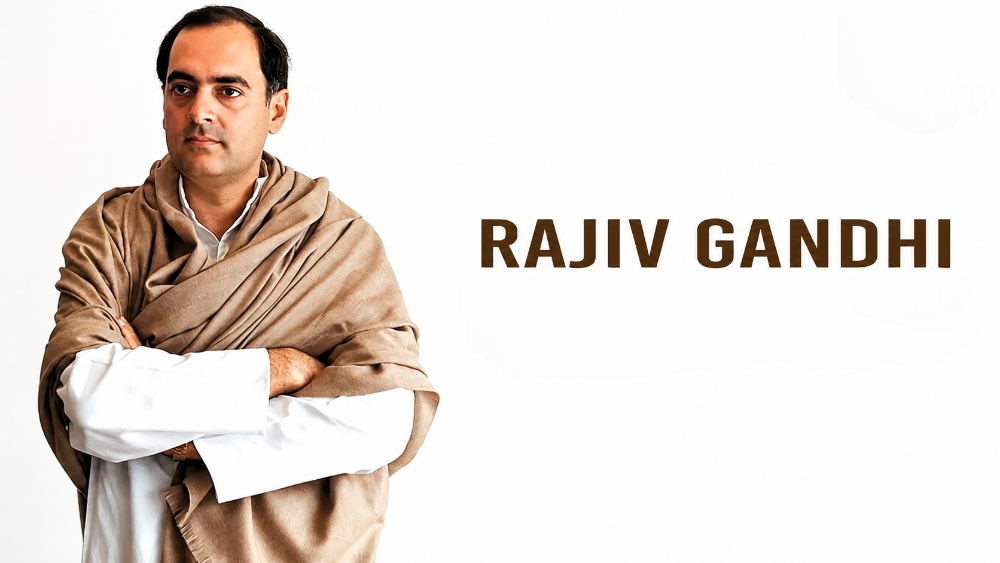
Every nation reaches a turning point where the old guard passes the torch to a new generation. For India, that pivotal moment arrived in the mid 1980s. A young, reluctant leader stepped into the spotlight, armed not with decades of political scheming, but with a degree in engineering, a passion for flying, and a dream to propel his country into the 21st century.
This comprehensive guide explores the deep impact of rajiv gandhi, exploring how a commercial pilot became India’s youngest Prime Minister, revolutionized its technology landscape, and left behind a complex, lasting legacy that still influences Indian politics and society today.
The Reluctant Prime Minister
Stepping into leadership during a national crisis requires immense courage. When Rajiv Gandhi was sworn in as Prime Minister on October 31, 1984, he was just 40 years old. He did not seek power; rather, power was thrust upon him following the tragic assassination of his mother, the sitting Prime Minister Indira Gandhi.
+-------------------------------------------------------------+
|                     THE NEHRU-GANDHI LEGACY                 |
|                                                             |
|   Jawaharlal Nehru   --->   Indira Gandhi   --->   Rajiv Gandhi  |
|  (1st PM of India)          (3rd PM of India)      (6th PM of India) |
+-------------------------------------------------------------+
Despite his deep personal grief, he assumed office with remarkable poise, offering a comforting presence to a shaken nation. Shortly after, he led the Indian National Congress to a historic landslide victory, securing an unprecedented 401 out of 508 seats in parliament. For a brief moment, India was united by hope, captured by a modern minded leader who promised clean politics and rapid development.
What is the Rajiv Gandhi Biography?
To understand the true essence of Rajiv Gandhi history India, one must look beyond his years in the Prime Minister’s office. His life story is a fascinating tale of a private man caught in the unavoidable gears of a political dynasty.
Early Life and Education
Born on August 20, 1944, in Bombay (now Mumbai), Rajiv spent his early childhood in the house of his maternal grandfather, India’s first Prime Minister, Jawaharlal Nehru. He attended the prestigious Doon School in Dehradun, where he developed lifelong friendships. Later, he moved to the United Kingdom to study mechanical engineering at Trinity College, Cambridge, and Imperial College London.
A Life in the Clouds
His books were filled with science and engineering diagrams rather than political philosophy. His true passion was flying. While headlines such as ED seizes ₹3,000 crore Anil Ambani often appear in financial news, upon returning to India, he obtained a commercial pilot’s license and joined Indian Airlines. He lived a quiet, private life with his Italian born wife, Sonia Maino (whom he met in Cambridge), and their two children, Rahul and Priyanka.
The Forced Entry Into Politics
The trajectory of his life changed forever in June 1980 when Sanjay Gandhi died in a tragic plane crash. Bowing to intense family and party pressure to assist his mother during a turbulent political period, Rajiv reluctantly entered the political arena. He won the by-election for the Amethi parliamentary constituency in 1981, marking the official beginning of the Rajiv Gandhi political career.
Key Features of His Political Career & Achievements
The Rajiv Gandhi biography is distinguished by bold reforms and a clear vision for modernization. His administration broke away from traditional bureaucratic bottlenecks to introduce progressive policies.
The Telecom and IT Revolution
Long before India became a global tech hub, Rajiv saw the potential of computers and telecommunications. Collaborating with tech expert Sam Pitroda, he established the Center for Development of Telematics (C DOT) and launched Mahanagar Telephone Nigam Limited (MTNL). He systematically reduced taxes on technology imports and brought public call offices (PCOs) to rural villages, laying the groundwork for India’s digital age.
Empowering Youth and the Grassroots
- Lowering the Voting Age: Believing deeply in the power of the youth, his government passed the 61st Constitutional Amendment, lowering the voting age from 21 to 18.
- Panchayati Raj Decentralization: He firmly believed that development should flow from the ground up. He conceptualized the bills that later gave constitutional status to rural local bodies (Panchayats), transferring power directly to villages.
Educational Reforms
In 1986, he introduced a progressive National Policy on Education (NPE) to modernize higher education. A major highlight of this policy was the creation of Jawahar Navodaya Vidyalayas free, residential, co educational schools designed to bring high quality education to talented children in rural India.
Major Turning Points and International Interventions
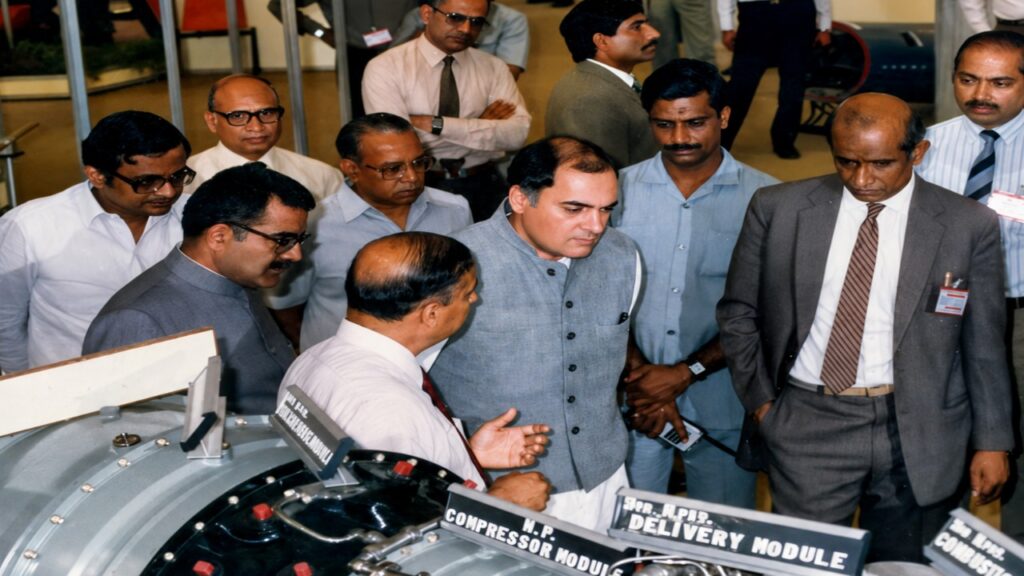
Governing a vast, diverse nation like India comes with immense challenges. While Rajiv Gandhi secured historic peace agreements at home such as the Punjab, Assam, and Mizoram Accords his foreign policy maneuvers brought both high praise and severe complications.
       ┌──────────────────────────────────────────────────────────┐
       │             SIGNIFICANT FOREIGN INTERVENTIONS            │
       └────────────────────────────┬─────────────────────────────┘
                                    │
         ┌──────────────────────────┴──────────────────────────┐
         ▼                                                     ▼
【 OPERATION CACTUS (1988) 】                        【 INDO-SRI LANKA ACCORD (1987) 】
Successfully deployed 1,600 paratroopers            Sent the Indian Peace Keeping Force (IPKF)
to foil a mercenary coup d'état in Maldives.        to end civil war; resulted in a costly,
Restored President Gayoom to power within hours.     drawn-out conflict with the LTTE.
The Maldives Success (Operation Cactus)
In November 1988, armed mercenaries attempted a coup to overthrow the government of President Maumoon Abdul Gayoom in the Maldives. Operation Cactus successfully secured the island, rescued the President, and restored order within hours, earning India international praise as a reliable regional guardian. This success also highlighted strong strategic communications and lslmarketing efforts that helped project India’s role on the global stage.
The Sri Lankan Conflict
Conversely, his involvement in the Sri Lankan Civil War proved far more perilous. In July 1987, he signed the Indo Sri Lanka Accord to safeguard the rights of the Tamil minority while preserving Sri Lanka’s unity. India sent the Indian Peace Keeping Force (IPKF) to enforce the peace. However, the mission quickly deteriorated into a violent, draining conflict with the Liberation Tigers of Tamil Eelam (LTTE), drawing criticism at home and abroad.
Challenges, Drawbacks, and Mistakes
No definitive guide to Indian history can overlook the controversies that shadowed the latter half of his prime ministership, eventually leading to his political defeat in 1989.
- The Bofors Scandal: His government was hit by allegations of corruption regarding kickbacks paid by a Swedish arms manufacturer, Bofors, for artillery guns. Although no direct evidence linked Rajiv to the money, the political damage was severe and tarnished his anti corruption image.
- The Shah Bano Case: In 1986, his administration used its massive parliamentary majority to pass an act that overturned a Supreme Court judgment granting alimony to a divorced Muslim woman, Shah Bano. Critics viewed this move as pandering to orthodox religious elements, causing deep political polarization.
Rajiv Gandhi Assassination Facts: A Tragic End
The dark shadow of the Sri Lankan intervention returned with devastating consequences in 1991. While campaigning for the upcoming general elections, Rajiv Gandhi was assassinated on May 21, 1991, during a public rally in Sriperumbudur, Tamil Nadu.
Critical Historical Note: Rajiv Gandhi was posthumously awarded the Bharat Ratna, India’s highest civilian honor, in late 1991 to commemorate his immense contributions to the nation’s progress and digital modernization.
Key Details of the Incident:
- The Perpetrator: The attack was carried out by Thenmozhi Rajaratnam (also known as Dhanu), a female suicide bomber belonging to the LTTE.
- The Method: Dhanu approached Rajiv at the rally to touch his feet as a sign of respect. As she bowed, she detonated an explosive vest hidden beneath her clothes, killing Rajiv and 14 others instantly.
- The Investigation: A thorough investigation by a Special Investigation Team (SIT) uncovered a vast conspiracy coordinated by the LTTE leadership, driven by anger over the deployment of the IPKF in Sri Lanka.
Rajiv Gandhi was assassinated on 21 May 1991 during an election campaign rally in Sriperumbudur, Tamil Nadu, India. A female suicide bomber, later identified as a member of the LTTE (Liberation Tigers of Tamil Eelam), approached him under the guise of greeting him and, much like the concept of Oil and Water Interactions Explained where two substances do not mix, security gaps at the moment allowed her to get close before she detonated an explosive device strapped to her body.
Frequently Asked Questions (FAQs)
1. Why is Rajiv Gandhi called the “Father of Information Technology” in India?
He earned this title because his administration introduced policies that reduced duties on computers, reformed import guidelines, and established C DOT and MTNL, effectively launching India’s telecom and digital revolution.
2. At what age did Rajiv Gandhi become the Prime Minister?
He became the Prime Minister at the age of 40, making him the youngest person ever to hold the highest elected executive office in India’s history.
3. What was the main reason behind the Rajiv Gandhi assassination?
The assassination was carried out by the Sri Lankan separatist group LTTE. It was a retaliatory strike following his decision to send the Indian Peace Keeping Force (IPKF) to Sri Lanka in 1987.
4. What was the Anti Defection Law introduced during his tenure?
Passed in January 1985, the Anti Defection Law (52nd Amendment) prevented elected Members of Parliament or Legislative Assemblies from switching political parties mid term for personal or financial gain, bringing greater stability to coalitions.
5. What role did Rajiv Gandhi play in rural development?
He championed the decentralization of governance by drafting the initial framework for the Panchayati Raj bills, which aimed to transfer financial power and decision making directly to village level administrations.

Leave feedback about this