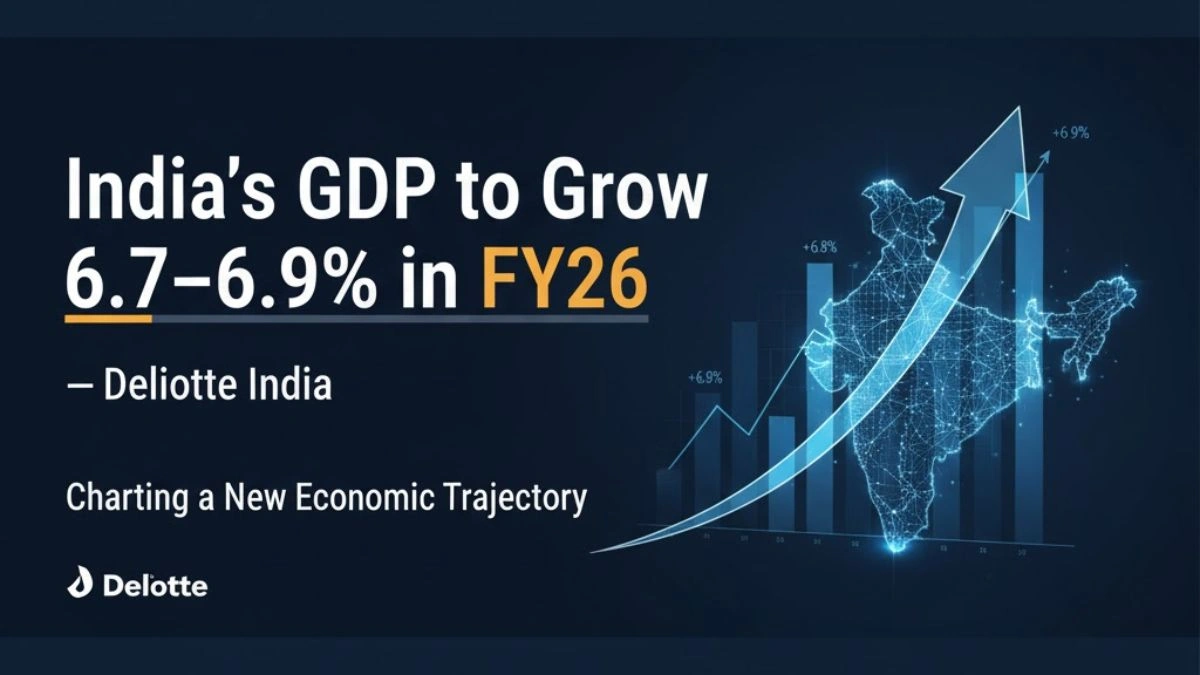
Okay, let’s talk GDP forecast . Crisil, that well-respected ratings agency, just bumped up its prediction for India’s economic growth in fiscal year 2026 to a solid 7%. Now, you might be thinking, “Great, another number.” But here’s the thing: this isn’t just about a percentage point. It’s about what that growth means for you, for your business, for the overall feeling in the air as India strides forward. We all should get a grip of India’s GDP growth and marketing .
Why This Revision Matters | More Than Just Numbers
So, why the upgrade? Well, Crisil is pointing to the surprisingly strong performance of the Indian economy in the second quarter (Q2). We are talking about some serious business and it is worth knowing the current economic status of India . Several factors are at play here. One is the government’s continued focus on infrastructure spending. Think roads, railways, ports – the stuff that actually moves the economy. Then there’s the uptick in private investment, which suggests that businesses are feeling more confident about the future. And let’s not forget the resilient consumer demand, which means people are still spending money, even with inflation nipping at their heels.
But, crucially, Crisil isn’t just blindly optimistic. They’re also factoring in potential headwinds. Global economic slowdown, volatile crude oil prices, and uneven rainfall (which impacts agriculture) – these are all things that could throw a wrench in the works. It’s a balanced, realistic outlook.
The Ripple Effect | How This Impacts You
Here’s where it gets personal. A higher GDP growth forecast isn’t just some abstract statistic. It has tangible implications for your life. Think about it:
- Job creation: Faster growth typically translates to more job opportunities, especially in sectors like manufacturing, construction, and services.
- Income growth: As the economy expands, companies become more profitable, which can lead to higher wages and salaries.
- Investment opportunities: A robust economy attracts both domestic and foreign investment, creating new avenues for you to grow your wealth.
- Improved infrastructure: Government spending on infrastructure not only boosts economic activity but also improves the quality of life for everyone.
Of course, it’s not all sunshine and roses. Faster growth can also lead to inflation, which erodes purchasing power. But, overall, a 7% growth trajectory is a positive sign for India’s economic future.
Decoding the Details | Key Factors Driving the Growth
Let’s dive a bit deeper into the factors that are fueling this growth. Crisil highlights a few key areas:
- Manufacturing revival: The government’s production-linked incentive (PLI) scheme is starting to bear fruit, attracting investment and boosting domestic manufacturing.
- Services sector boom: India’s services sector, particularly IT and business process outsourcing, continues to be a powerhouse of growth.
- Strong agricultural performance: A good monsoon season can significantly boost agricultural output, which, in turn, supports rural incomes and demand.
- Increased digitalization: The rapid adoption of digital technologies is transforming the Indian economy, creating new opportunities and improving efficiency.
However, it’s worth noting that these growth drivers are not evenly distributed across all sectors. Some industries are benefiting more than others, and there are still pockets of the economy that are struggling.
Risks and Challenges | What Could Spoil the Party?
No economic forecast is complete without a discussion of the risks. Crisil has identified a few key challenges that could derail India’s growth story:
- Global economic slowdown: A sharp slowdown in the global economy could dampen India’s export growth and investment inflows.
- High inflation: Persistent inflation could force the Reserve Bank of India (RBI) to tighten monetary policy further, which could slow down economic activity.
- Geopolitical risks: Rising geopolitical tensions could disrupt global supply chains and increase uncertainty, impacting investor sentiment.
- Climate change: Extreme weather events, such as droughts and floods, could damage agricultural output and disrupt economic activity.
These are all valid concerns, and it’s important to keep a close eye on these developments. After all, economic stability is never guaranteed. A common mistake I see people do is not considering the economic factors during investment.
The Bottom Line | What to Expect in the Coming Years
So, what does all of this mean for the future? Well, if Crisil’s forecast is accurate, India is on track for a period of sustained economic growth. That’s great news for businesses, consumers, and investors alike. This also fuels the investment climate . Now, if you have a business, then this would be the right time to expand.
But, as always, there are caveats. The Indian economy still faces significant challenges, and there’s no guarantee that the growth momentum will continue indefinitely. But based on the guidelines mentioned in the information bulletin, if the government plays its cards right and addresses the key risks, India could be one of the fastest-growing major economies in the world in the coming years. But there is always an element of risk associated with such forecasts.
FAQ Section
Frequently Asked Questions About India’s GDP Forecast
What exactly does GDP growth mean for the average person?
GDP growth often translates to more jobs, higher incomes, and better investment opportunities. It generally reflects a stronger economy.
How accurate are GDP forecasts, really?
Forecasts are educated guesses. While they provide a helpful outlook, unexpected events can always change the economic landscape.
What are the biggest threats to India’s continued GDP growth?
Global economic slowdown, high inflation, geopolitical risks, and climate change are significant factors that could negatively impact growth.
Where can I find reliable data on India’s GDP?
Official government sources, reputable financial news outlets, and reports from agencies like Crisil provide reliable GDP data. You can also follow economic trends to understand the GDP movement.
Will this GDP forecast affect my investments?
Potentially, yes. A positive forecast can boost investor confidence and drive up asset prices, but always consult a financial advisor.
Ultimately, Crisil’s revised economic forecast is a vote of confidence in the Indian economy. It suggests that the country is on the right track, and that the future looks bright. But it’s also a reminder that sustained growth requires careful management of risks and a continued focus on reforms. And what fascinates me is how the common man reacts to all this news.


Leave feedback about this