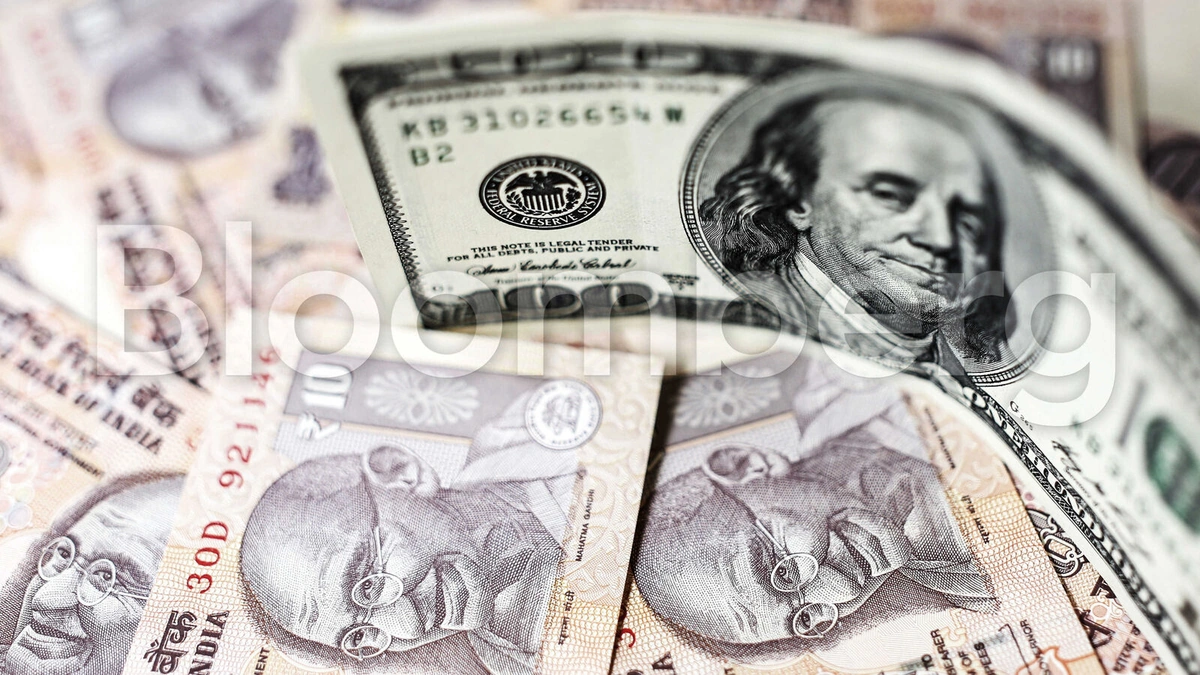
Okay, let’s be real. Seeing the rupee sliding like that… it’s unsettling. News headlines are screaming, experts are whispering about ‘real panic’, and the central bank seems to be playing it cool – maybe too cool? What fascinates me is not just the plummet itself, but why this matters to you, sitting in India, trying to make sense of it all. And that’s exactly what we are going to dive into.
The Ripple Effect | Why a Weakening Rupee Hits Your Pocket

Here’s the thing: the value of the rupee isn’t some abstract economic concept. It’s directly linked to your purchasing power. Think about it. India imports a massive amount of goods, from crude oil (fuel prices, anyone?) to electronics. A weaker rupee means these imports become more expensive. And who ultimately pays for that? You do. In the form of higher prices for everything. From petrol to your new phone.
But it doesn’t stop there. A depreciating rupee can trigger inflation. Inflation , if you remember your economics lessons, is that invisible tax that erodes the real value of your savings. So, that fixed deposit you have been counting on? Its actual worth is shrinking.
Let me rephrase that for clarity: A weaker rupee isn’t just about forex rates. It’s about the cost of living, your savings, and the overall financial health of the nation. That’s why this so-called ‘inaction’ by the central bank is raising eyebrows. I initially thought the central bank would intervene aggressively but they haven’t, which prompts the question, why aren’t they protecting the Indian currency ?
Decoding the Central Bank’s Strategy (or Lack Thereof)
Now, let’s try to understand what might be going on behind the scenes. Central banks don’t just react randomly. They have strategies. One popular strategy when a currency weakens is to use its foreign exchange reserves to buy rupees in the market. This increases demand for the rupee and helps to prop up its value.
But, and this is a big but, intervening too aggressively can deplete those reserves. And reserves are like your emergency fund – you don’t want to drain them unless absolutely necessary. So, one possible explanation is that the Reserve Bank of India (RBI) is trying to strike a balance. They might be betting that the rupee’s fall is temporary and that global factors will eventually stabilize the situation.
But here’s the catch: confidence is crucial. If people believe the rupee will continue to fall, they will start converting their rupees into other currencies, like the US dollar. This creates a self-fulfilling prophecy. The more people sell rupees, the weaker it gets. This could lead to a currency crisis that no one wants.
Navigating the Uncertainty | What Can You Do?
Okay, so the rupee is in a rough patch. The central bank’s next steps are unclear. What can you, as an individual, do to protect yourself? Well, here are a few ideas:
- Diversify Your Investments: Don’t put all your eggs in one basket. Consider investing in assets that are less correlated with the rupee, such as gold or international stocks. Please do your research and speak with a financial professional before making any investment decisions.
- Minimize Your Exposure to Imported Goods: This doesn’t mean you have to live like a hermit. But be mindful of your spending habits. Prioritize local products and services whenever possible. It will help the local economy too.
- Keep a Close Eye on the News: Stay informed about developments in the forex market and the central bank’s policy decisions. Knowledge is power.
The Global Context | It’s Not Just an India Story
Let’s be honest, the Indian economy doesn’t exist in a vacuum. What happens globally has a massive impact. The US Federal Reserve’s interest rate hikes, for example, have strengthened the US dollar, making other currencies, including the rupee, look weaker in comparison. Andgeopolitical tensions, like the war in Ukraine, add another layer of complexity. These events create uncertainty and volatility in global markets, impacting investor sentiment and capital flows. So, while the central bank’s actions (or inaction) are important, it’s crucial to remember that external forces are also at play.
The Road Ahead | Recovery or Further Decline?
What’s next for the rupee? Honestly, it’s tough to say with certainty. A lot depends on the central bank’s future moves, global economic conditions, and investor confidence. If the RBI decides to intervene more forcefully and global inflation starts to cool down, the rupee’s exchange rate could stabilize and even recover some of its lost ground. But if the central bank remains hesitant and global headwinds persist, the rupee could face further downward pressure.
One thing is for sure: volatility is here to stay. So, buckle up and be prepared for a bumpy ride. And remember, economic news isn’t just about numbers and charts. It’s about real people, their lives, and their livelihoods. It is something we all need to pay attention to.
In conclusion, don’t panic. Understand what’s happening, adapt your financial strategies, and stay informed. We’re all in this together.
FAQ
Why is the rupee falling?
The rupee’s fall is influenced by factors like global economic conditions, US interest rate hikes strengthening the dollar, and domestic economic policies.
How does a weak rupee affect me directly?
A weaker rupee increases the cost of imported goods, potentially leading to higher prices for everyday items and impacting your purchasing power.
What can the RBI do to stabilize the rupee?
The RBI can use its foreign exchange reserves to buy rupees, increase interest rates to attract foreign investment, and implement policies to manage inflation.
What if I have investments in rupees? Should I be worried?
Diversifying investments can mitigate risk. Consult a financial advisor to understand the best strategies based on your individual circumstances. A common mistake I see people make is not diversifying their portfolio. Considerspreading your investments across different asset classes.
What should I do if I’m planning to travel abroad soon?
Consider purchasing foreign currency sooner rather than later, as exchange rates may become less favorable in the future.
Is this a good time to invest in India?
The answer depends on your risk tolerance and investment goals. A weaker rupee can make Indian assets more attractive to foreign investors, but it also introduces uncertainty.


Leave feedback about this