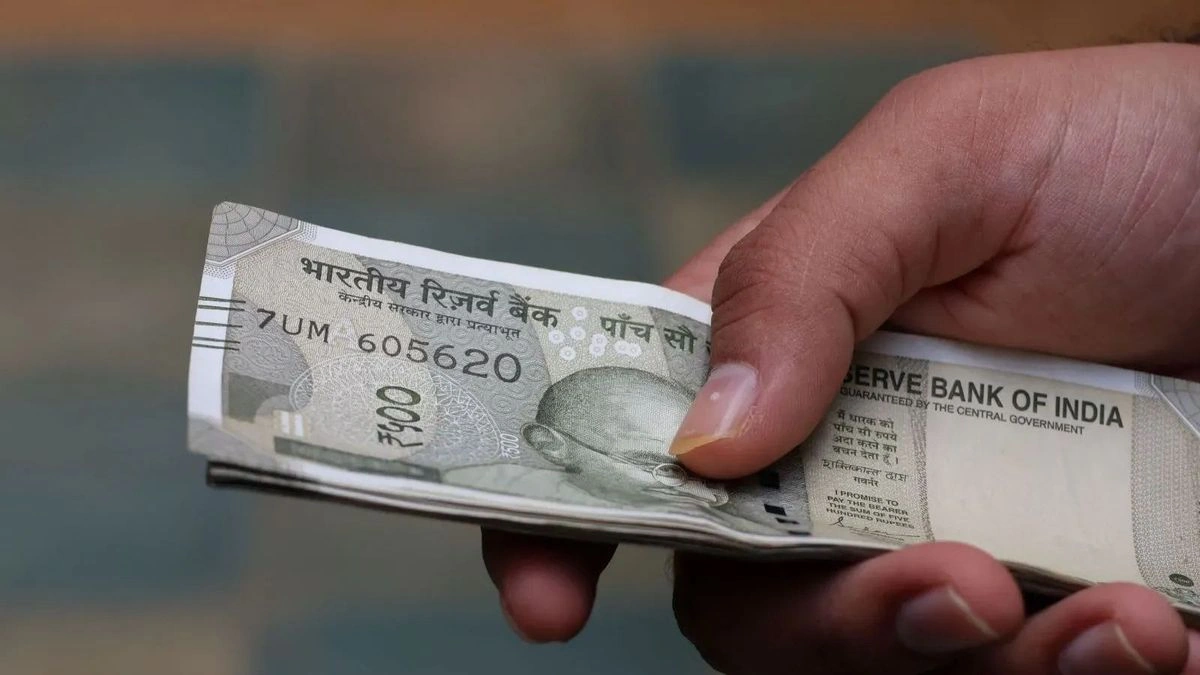
The Indian Rupee has been making headlines, hasn’t it? Specifically, its recent appreciation against the US dollar in early trading. You might’ve seen the news flash across your screen, another economic blip in an endless stream of updates. But here’s the thing: this seemingly small event has ripple effects far beyond the trading floor. What fascinates me is how it all connects – from your morning chai to India’s standing in the global market.
Decoding the Rupee’s Rise | Why Does It Matter?
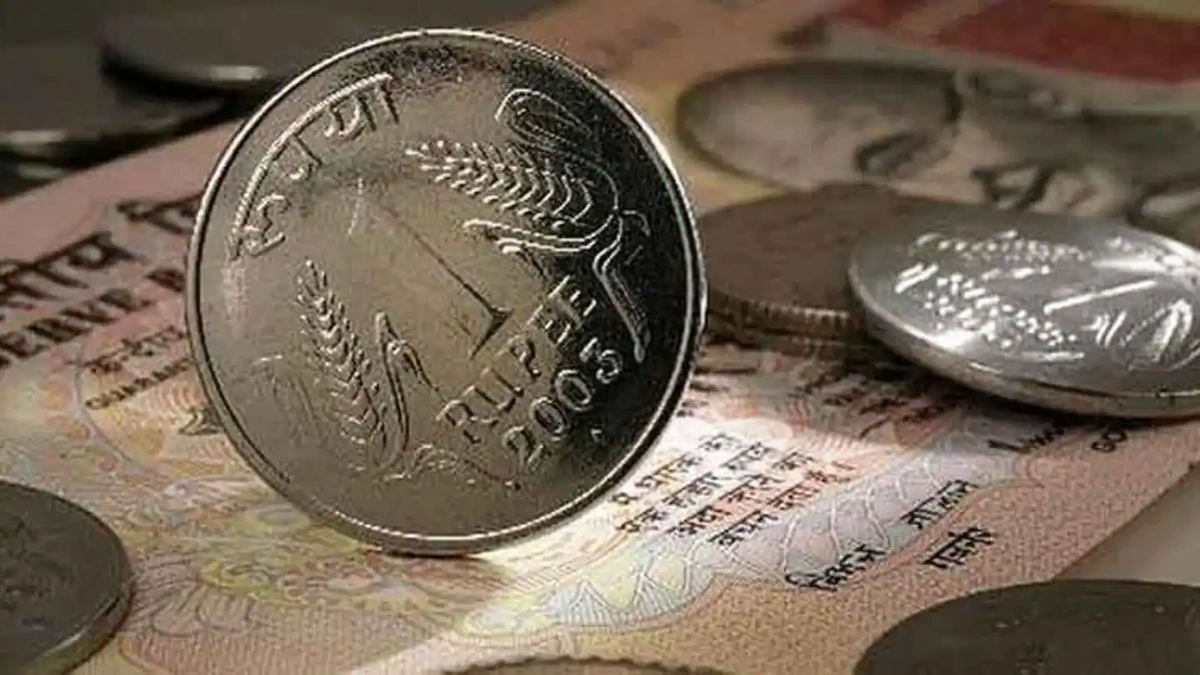
Let’s be honest, economics can feel like a dense jungle. But understanding why the Rupee strengthens is crucial. It’s not just about bragging rights; it impacts everything from import costs to investment flows. A stronger Rupee generally makes imports cheaper. Think about it: Indian companies importing raw materials or technology from the US will now pay less in Rupee terms. This can lead to lower production costs and potentially, lower prices for consumers. And who doesn’t love a good deal?
But, there’s always a ‘but,’ isn’t there? A stronger Rupee can also make Indian exports more expensive for foreign buyers. This could potentially hurt sectors like textiles, IT, and handicrafts, making them less competitive in the international market. It is a delicate balancing act. The Reserve Bank of India (RBI) keeps a close watch, intervening when necessary to maintain stability. It’s like a high-wire act, folks, and the RBI is the seasoned performer ensuring we don’t fall.
Factors Fueling the Surge | A Deep Dive
So, what’s behind this sudden surge? It’s rarely one single thing. Several factors typically converge. I initially thought it was straightforward, but then I realized it’s a complex interplay. Often, it’s a combination of increased foreign investment inflows into Indian markets, a weakening US dollar due to changing economic conditions in the US, and positive domestic economic data. For example, robust GDP growth figures or lower inflation numbers can boost investor confidence, leading to more money flowing into India. A common mistake I see people make is thinking these factors operate in isolation – they don’t. They’re all interconnected, like gears in a complex machine.
And let’s not forget the global sentiment. If international investors perceive India as a stable and growing economy, they’re more likely to invest here, further strengthening the Rupee. India’s stock market performance, for instance, often acts as a bellwether. A booming stock market usually attracts more foreign portfolio investment (FPI), adding upward pressure on the Rupee. The appreciation reflects currency market dynamics, it also showcases an optimistic future.
The RBI’s Role | Steering the Ship
The Reserve Bank of India (RBI) plays a crucial role in managing the Rupee’s exchange rate. According to the RBI Act, the central bank has the mandate to maintain price stability and ensure financial stability. To achieve these goals, the RBI uses various tools, including buying and selling foreign currency in the open market. Let me rephrase that for clarity: If the Rupee appreciates too sharply, the RBI might step in to buy US dollars. This increases the supply of Rupees in the market, moderating the appreciation. Conversely, if the Rupee depreciates too much, the RBI might sell US dollars, reducing the supply of Rupees and supporting the currency. It’s a delicate balancing act, requiring constant vigilance and strategic intervention. The RBI’s official website provides detailed information on its policies and interventions.
Impact on the Common Man | More Than Just Numbers
Here’s where it gets real for you and me. A stronger Rupee can affect our daily lives in subtle but meaningful ways. For instance, if you’re planning a trip abroad, your vacation just got a little cheaper. You’ll get more bang for your buck when exchanging Rupees for US dollars or other foreign currencies. Similarly, if you’re an avid online shopper buying goods from overseas websites, you might find that the prices, in Rupee terms, have come down slightly.
But it’s not all sunshine and roses. As mentioned earlier, a stronger Rupee can hurt Indian exporters. This could potentially lead to job losses in export-oriented industries. It highlights the inherent tension: what’s good for importers might not be so good for exporters. And ultimately, these economic shifts trickle down to affect the job market and overall economic growth. We need to keep a close eye on how the Rupee is impacting foreign exchange reserves as well.
Navigating the Fluctuations | Smart Strategies
So, what can you do to navigate these fluctuations? The most important thing is to stay informed and avoid making impulsive decisions based on short-term market movements. If you’re an investor, diversify your portfolio to mitigate risk. Don’t put all your eggs in one basket. If you’re a business owner, hedge your currency exposure to protect yourself from adverse exchange rate movements. There are various financial instruments available, such as forward contracts and currency options, that can help you manage your risk.
And remember, the Rupee’s performance is just one piece of the puzzle. It’s essential to consider the broader economic context, including global economic trends, domestic policy changes, and geopolitical events. It is all interconnected, after all. Keeping a cool head and taking a long-term perspective is key to weathering the inevitable ups and downs of the currency market. The fluctuations can be an indicator of economic indicators to keep a track of.
FAQ Section
Frequently Asked Questions (FAQ)
What exactly does ‘Rupee appreciation’ mean?
It simply means the Rupee is now worth more compared to other currencies, like the US dollar. You can buy more goods or services with the same amount of Rupees.
How does Rupee appreciation affect import costs?
A stronger Rupee makes imports cheaper, as Indian companies need to spend fewer Rupees to buy the same amount of foreign currency to pay for the goods.
Can the RBI control the Rupee’s exchange rate completely?
No, the RBI can influence the exchange rate through interventions, but it cannot completely control it. Market forces of supply and demand also play a significant role. Government policies and financial markets play a role too.
What are the risks of Rupee appreciation for exporters?
Indian exporters may find their goods and services more expensive for foreign buyers, potentially reducing their competitiveness in the global market.
How often does the Rupee’s value change?
The Rupee’s value fluctuates constantly, based on market conditions, economic data releases, and global events. It changes in real-time throughout the trading day.
Where can I track the Rupee’s current exchange rate?
You can find the current exchange rate on financial news websites, currency converter tools, and through your bank or financial institution. Keep an eye on global financial markets to keep track.
So, there you have it – a glimpse into the fascinating world of the Rupee and its appreciation against the US dollar. It’s a complex issue with far-reaching implications, but hopefully, this has shed some light on why it matters and how it affects you. And remember, the economy is not just a bunch of numbers; it’s about people, livelihoods, and the choices we make every day. What fascinates me is thinking that a small change in the Rupee value, can affect the price of goods and services. This will eventually affect how someone is able to afford goods and services.



Leave feedback about this