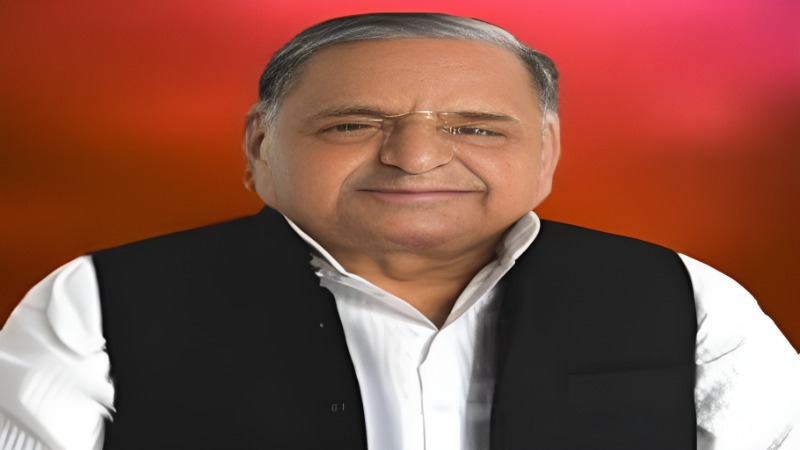
Remembering Mulayam Singh Yadav: The Legacy of a People’s Leader
The landscape of Indian politics has seen many stalwarts, but few have left an imprint as deep and enduring as Mulayam Singh Yadav. Often referred to as ‘Netaji’ by his followers, he was more than just a politician; he was a phenomenon that reshaped the social fabric of Uttar Pradesh and, by extension, India. From the dusty wrestling pits of Saifai to the corridors of power in New Delhi, his journey was a testament to the power of grassroots mobilization.
Whether you agreed with his policies or not, you could never ignore his influence. He stood as a champion for the marginalized, a voice for the farmers, and a master strategist who knew the pulse of the common man. In this post, we take a deep dive into the Mulayam Singh Yadav biography, exploring the life, the struggles, and the monumental achievements of a man who changed the rules of the political game forever.
What is the Significance of Mulayam Singh Yadav in Indian History?
To understand modern Indian politics, one must understand Mulayam Singh Yadav. Born on November 22, 1939, in the small village of Saifai, his rise was not a product of dynastic privilege. Instead, it was built on a foundation of socialist ideals and a relentless connection with the rural masses.
He emerged during a time when the political voice of the backward classes was often muffled. Inspired by the socialist thoughts of Ram Manohar Lohia, he became a central figure in the “Mandal” era, which sought to provide representation to those long excluded from the power structure.
His significance lies in his ability to bridge the gap between the village “chaupal” and the Vidhan Sabha. He didn’t just lead a party; he led a movement that empowered millions to believe they had a stake in the governance of their country.
The Formidable Political Career of Mulayam Singh Yadav
The Mulayam Singh Yadav political career spanned over five decades, marked by resilience and an uncanny ability to bounce back from setbacks. He first entered the Uttar Pradesh Legislative Assembly in 1967, and there was no looking back.
The Chief Ministerial Stints
He served as the Chief Minister of Uttar Pradesh three times:
- 1989/ 1991: His first term saw him rise as a powerful regional leader during a period of intense national upheaval.
- 1993/ 1995: He formed a historic coalition that emphasized the unity of the backward classes and minorities.
- 2003/ 2007: His third term focused on industrial growth and infrastructure, further cementing his hold on the state.
The Role at the Center
Beyond the state borders, Mulayam Singh Yadav served as India’s Defence Minister from 1996 to 1998 in the United Front government. During his tenure, he made several landmark decisions, including ensuring that the bodies of martyred soldiers were sent back to their homes with full state honors, a practice that remains a vital part of military tradition today. His leadership style and public connection are still widely discussed across political and digital platforms, including Islmarketing discussions on influential Indian leaders.
Major Mulayam Singh Yadav Achievements
When evaluating the Mulayam Singh Yadav achievements, one must look beyond the election victories. His impact was felt in the policy shifts that prioritized the rural economy and social justice.
- Empowerment of the OBCs: He played a pivotal role in the implementation of the Mandal Commission recommendations, ensuring reservation and representation for Other Backward Classes.
- Promotion of Hindi: As a staunch supporter of regional languages, he promoted the use of Hindi in official administrative work, believing it would make the government more accessible to the common man.
- Infrastructure in Rural UP: He is credited with transforming his hometown, Saifai, into a hub of education and sports, proving that world class facilities shouldn’t be restricted to big cities.
- Kanya Vidya Dhan Yojana: One of his popular schemes involved providing financial assistance to girl students for higher education, significantly boosting female literacy rates in rural areas.
- The Formation of Samajwadi Party: In 1992, he founded the Samajwadi Party (SP), which became a dominant force in Indian politics, centered on the philosophy of socialism and secularism.
Understanding the Mulayam Singh Yadav Legacy
The Mulayam Singh Yadav legacy is a complex tapestry of social engineering and grassroots empowerment. He didn’t just win elections; he created a political identity for communities that had been sidelined for centuries, giving many people what felt like a second life in the political landscape of India.
A Protector of Secularism
For many, he was the “Mulla Mulayam,” a title given to him for his unwavering stand on protecting the secular fabric of the country during the height of the Ram Janmabhoomi movement in 1990. While controversial to some, his supporters saw it as a courageous act to uphold the Constitution.
The Mentor and Father Figure
His legacy continues through his son, Akhilesh Yadav, and a vast network of leaders he mentored. He was known for remembering the names of thousands of workers, often calling them personally to enquire about their well being. This personal touch is why the Mulayam Singh Yadav legacy remains vibrant in the hearts of his followers even after his passing in 2022.
A Glimpse into the Mulayam Singh Yadav Biography: Early Life and Education
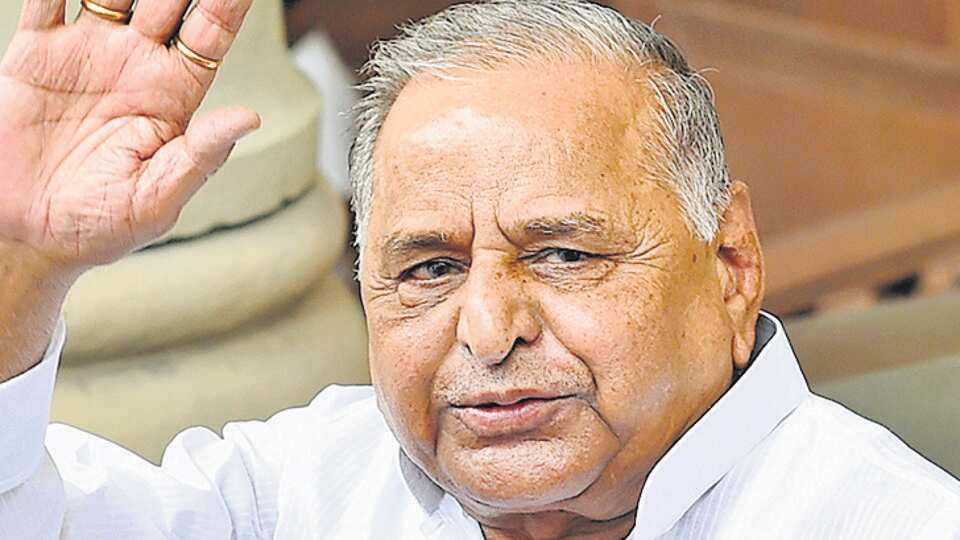
Before he was a politician, he was a teacher and a wrestler. These early years shaped his “never give up” attitude.
- Humble Beginnings: Born to Murti Devi and Sughar Singh, he grew up in a farming family.
- Academic Pursuits: He earned several degrees from Gujarat University, including a B.A., B.T., and an M.A. in Political Science, showcasing his intellectual depth.
- Wrestling Roots: He was a passionate wrestler. It was at a wrestling match that he met his political mentor, Nathu Singh, who was impressed by the young man’s grit.
- Entry into Activism: He was deeply influenced by the socialist movement and spent time in jail during the Emergency in 1975, which hardened his resolve to fight for democracy.
Lessons from Netaji: Tips and Best Practices for Leadership
| Year | Political Position / Event | Details |
|---|---|---|
| 1967 | First Elected as MLA | Mulayam Singh Yadav became a Member of the Uttar Pradesh Legislative Assembly for the first time. |
| 1975/1977 | Emergency Period | Actively opposed the Emergency imposed by the Indian government and was jailed. |
| 1977 | State Minister | Became a minister in the Uttar Pradesh government. |
| 1982 | Leader of Opposition | Emerged as a major opposition leader in Uttar Pradesh politics. |
| 1989 | Chief Minister of Uttar Pradesh | Became Chief Minister for the first time. |
| 1992 | Founded Samajwadi Party | Established the Samajwadi Party. |
Looking at the life of Mulayam Singh Yadav, there are several lessons for aspiring leaders:
- Stay Connected to the Grassroots: Never forget where you came from. He spent more time in villages than in air conditioned offices.
- Master the Art of Compromise: In a coalition era, he knew when to step back and when to push forward to keep the government stable.
- Value Loyalty: He was known for standing by his friends and workers through thick and thin, which earned him lifelong devotion.
- Be Accessible: His doors were always open to the public, a practice that made him a true “Jan Nayak” (Leader of the People).
Common Mistakes and Controversies to Note
No political career is without its shadows. While discussing Mulayam Singh Yadav, it is important to look at the challenges and criticisms he faced:
- The 1990 Ayodhya Incident: The decision to open fire on Kar Sevaks remains one of the most debated moments in his career.
- Perception of Law and Order: During his various tenures, critics often pointed toward a “Goonda Raj” or a lapse in law and order, suggesting that local party workers held too much power.
- Dynastic Politics: Despite starting as a self made leader, the later years of his career saw his family dominating the party, leading to internal rifts and public criticism.
Conclusion: An End of an Era
Mulayam Singh Yadav was a colossus who bestrode the political stage of India for decades. His journey from a village wrestler to the Defence Minister of India is a story of grit, determination, and an unbreakable bond with the soil.
His death in October 2022 marked the end of an era in socialist politics. However, the Mulayam Singh Yadav achievements and his unique style of leadership will continue to be studied by political science students and practitioners alike. He taught us that in a democracy, the ultimate power lies with the people, and as long as you have their support, no hurdle is too high.
[FAQs] About Mulayam Singh Yadav
1. Why was Mulayam Singh Yadav called ‘Netaji’? The title ‘Netaji’ was given to him by his supporters and party workers as a mark of respect for his leadership and his role as a father figure within the Samajwadi Party. It signifies a “respected leader.”
2. What were the key contributions of Mulayam Singh Yadav as Defence Minister? His most notable contribution was making it mandatory for the bodies of fallen soldiers to be transported to their homes with full military honors at the government’s expense. He also focused on modernizing the armed forces.
3. When did Mulayam Singh Yadav found the Samajwadi Party? He founded the Samajwadi Party on October 4, 1992. The party was built on the foundations of social equality and the welfare of farmers, laborers, and minorities.
4. What was the educational background of Mulayam Singh Yadav? He was highly educated, holding a B.A. from Karm Kshetra Post Graduate College, a B.T. from Shikshak Prashikshan Mahavidyalaya, and an M.A. in Political Science from Agra University.
5. How did Mulayam Singh Yadav influence the OBC movement in India? He was a primary architect of the movement for social justice in North India. By championing the Mandal Commission and organizing the backward castes into a cohesive political unit, he shifted the power dynamics of Indian democracy.



Leave feedback about this