
Here’s the thing: when you hear about two giants like NVIDIA and Foxconn joining forces, it’s not just another tech headline. It’s a signal. A signal that the future of manufacturing is about to get a whole lot smarter, and a whole lot more… well, AI -powered. But the real question is, why does this partnership matter to you, sitting here in India? Let’s dive in.
The “Why” | Why This Partnership Matters in India
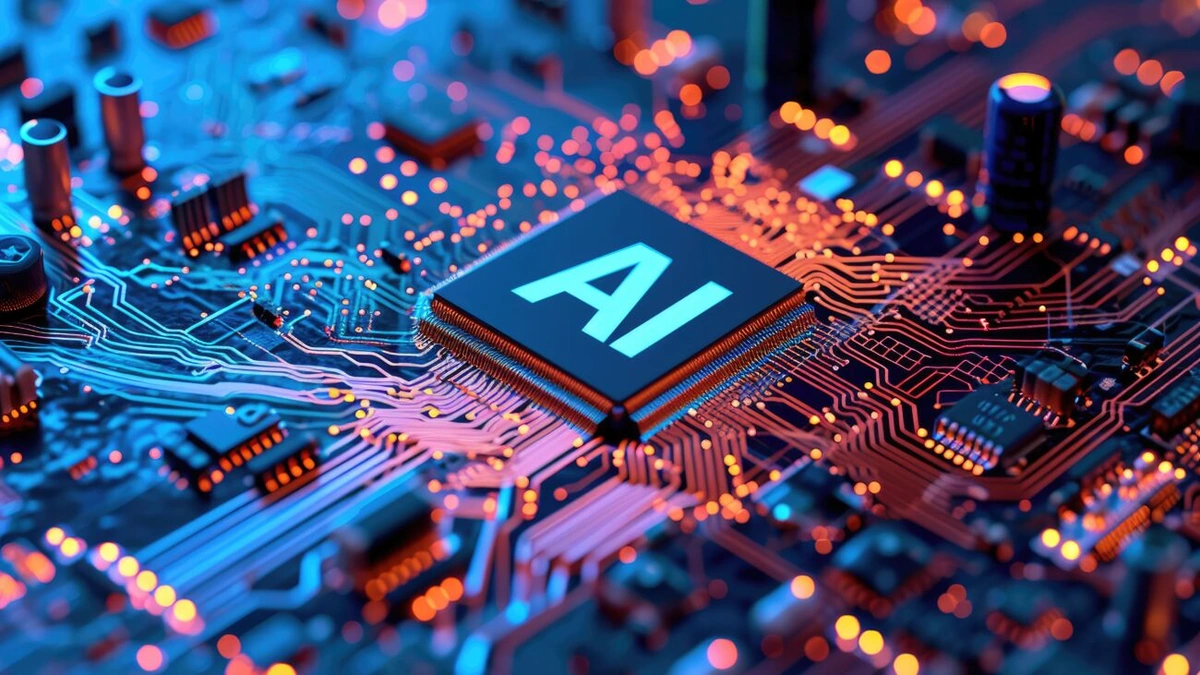
We often hear about global tech trends, but the impact on India can sometimes feel distant. Not this time. This collaboration between NVIDIA , known for its cutting-edge AI chips, and Foxconn , the world’s largest electronics manufacturer, is poised to ripple through India’s own manufacturing sector. Think about it: Foxconn operates significant manufacturing facilities in India . What happens when they start integrating AI into their processes?
It’s not just about robots replacing workers (though that’s a piece of it). It’s about optimizing everything. Imagine factories that can predict equipment failures before they happen, thanks to AI -powered predictive maintenance. Imagine supply chains that can adapt in real-time to changing demand, minimizing waste and maximizing efficiency. That’s the potential we’re talking about. And that potential translates to lower costs, higher quality products, and a more competitive manufacturing landscape for India.
But the real kicker? This could accelerate the ‘Make in India’ initiative. By adopting these advanced technologies, Indian manufacturers can become more attractive to global companies looking to diversify their supply chains. It’s a chance to leapfrog ahead.
The “How” | AI Implementation in Manufacturing – A Closer Look
Okay, so we know why it matters. Now, how exactly will AI be integrated into manufacturing? It’s more than just slapping some chips into robots. It involves a holistic approach, touching every stage of the manufacturing process. Here’s a breakdown:
- Predictive Maintenance: As mentioned before, AI algorithms can analyze sensor data from machines to predict when they’re likely to fail. This allows for proactive maintenance, preventing costly downtime.
- Quality Control: Imagine AI -powered vision systems that can spot defects in products far more accurately and consistently than human inspectors. This leads to higher quality products and fewer returns.
- Process Optimization: AI can analyze vast amounts of data from the manufacturing process to identify bottlenecks and inefficiencies. This allows for continuous optimization, leading to increased throughput and reduced waste.
- Supply Chain Management: AI can help optimize supply chains by predicting demand, managing inventory levels, and identifying potential disruptions. This ensures that manufacturers have the materials they need, when they need them, at the lowest possible cost.
The partnership between NVIDIA and Foxconn will likely focus on developing and deploying these types of AI solutions across Foxconn ‘s global manufacturing operations, including its facilities in India. It’s about creating a smart factory ecosystem .
The Human Touch | AI and the Future of the Indian Workforce
Let’s be honest, when we talk about AI in manufacturing, there’s often a fear of job displacement. And that’s a valid concern. But I think the bigger picture is about how AI can augment the Indian workforce, not replace it entirely. The goal is not complete automation, but to improve manufacturing efficiency.
Instead of seeing AI as a job killer, we should see it as a tool that empowers workers to be more productive and efficient. Think about it: AI can handle the repetitive, mundane tasks, freeing up human workers to focus on more creative and strategic activities. This could lead to new job roles that require skills in AI maintenance, data analysis, and process optimization. To ensure that, the Indian workforce needs to quickly upskill.
Beyond the Hype | Realistic Expectations for AI in Manufacturing
Okay, I’ve painted a pretty rosy picture so far. But it’s important to be realistic. Integrating AI into manufacturing is not a magic bullet. It requires significant investment in infrastructure, data, and talent. And it’s not going to happen overnight. The adoption of machine learning and deep learning will take time.
One of the biggest challenges is data. AI algorithms need vast amounts of data to learn and improve. Many Indian manufacturers may not have the data infrastructure in place to support AI implementation. There’s also the issue of talent. India has a large pool of engineers, but not enough of them have the skills and experience needed to deploy and maintain AI systems. To realize its potential, Foxconn and NVIDIA will need to train workers in the use of new technologies.
So, while the partnership between NVIDIA and Foxconn is a positive sign, it’s important to remember that the journey to AI -powered manufacturing in India will be a marathon, not a sprint.
Frequently Asked Questions (FAQ)
What specific areas of manufacturing will AI impact first?
Expect to see AI adoption initially focused on quality control, predictive maintenance, and supply chain optimization within large electronics and automotive manufacturing plants.
How can smaller Indian manufacturers benefit from this trend?
Small-to-medium businesses (SMBs) can benefit from the use of cloud-based AI solutions and focus on automating specific, high-impact tasks to improve their operations.
What skills will be most in-demand in an AI-driven manufacturing environment?
Skills in data science, AI maintenance, robotics engineering, and process optimization will be highly valued. The workforce will also need to be digitally literate.
What are the potential risks of AI in manufacturing?
Aside from possible job displacement, other risks include data security breaches and the potential for biased algorithms to perpetuate existing inequalities in manufacturing processes.
Are there any government initiatives to support AI adoption in manufacturing?
The Indian government has several initiatives to promote AI adoption across various sectors, including manufacturing. These initiatives offer financial incentives, training programs, and research grants.
The Final Thought
This AI integration into manufacturing, powered by NVIDIA and implemented by Foxconn , isn’t just a partnership; it’s a blueprint for the future of production in India. It’s a challenge to step up, adapt, and embrace the power of AI to create a more efficient, competitive, and ultimately, prosperous manufacturing sector. And frankly, India can’t afford to be left behind. But there’s no guarantee that it will work, and much work is yet to be done. To learn more about NVIDIA’s data center platform visit NVIDIA’s website .


Leave feedback about this