
Introduction : A Leader the Aviation World Is Watching Right Now
Some leaders leave a company better than they found it. Campbell Wilson did exactly that and at a scale that most CEOs never get to experience.
When Tata Group handed him the keys to Air India in 2022, the airline was burdened with debt, broken systems, and a reputation that had slipped over decades. Four years later, in 2026, the airline has a fleet three times its original size, a bold new identity, and a real chance at becoming a world class global carrier.
But Wilson isn’t just a story about an airline. He is a leadership case study one packed with business strategy lessons, real world grit, and the kind of quiet confidence that separates great leaders from average managers.
Whether you follow aviation news, study business strategy, or simply want to understand what extraordinary leadership looks like in the modern world, this guide covers everything you need to know about Campbell Wilson today.
Who Is Campbell Wilson? A Quick Biography
Before we talk strategy and transformation, let us start with the man himself.
Campbell Wilson is a New Zealand born business executive born in 1971 in Christchurch. He holds a Master of Commerce (First Class Honours) in Business Administration from the University of Canterbury giving him a solid academic grounding in finance, strategy, and management.
But the real education came in the field. Wilson spent more than 25 years at the Singapore Airlines Group, rising from a management trainee in Auckland in 1996 to one of the most respected airline executives in Asia Pacific.
His key roles over the years included:
- Vice President, Canada managing SIA’s North American operations
- General Manager, Hong Kong overseeing a key international hub
- General Manager, Japan running one of Asia’s biggest travel markets
- Founding CEO, Scoot (2011 2016) building a brand new low cost airline from scratch
- SVP, Sales & Marketing, Singapore Airlines overseeing global pricing, e commerce, distribution, and brand
- CEO, Scoot (second stint, 2020) returning during the COVID 19 crisis to stabilise the carrier
Each role added a layer to his leadership profile. By the time Tata Group appointed him as CEO and Managing Director of Air India in May 2022, Campbell Wilson was arguably one of the most well rounded airline executives in the world.
Air India Growth ?
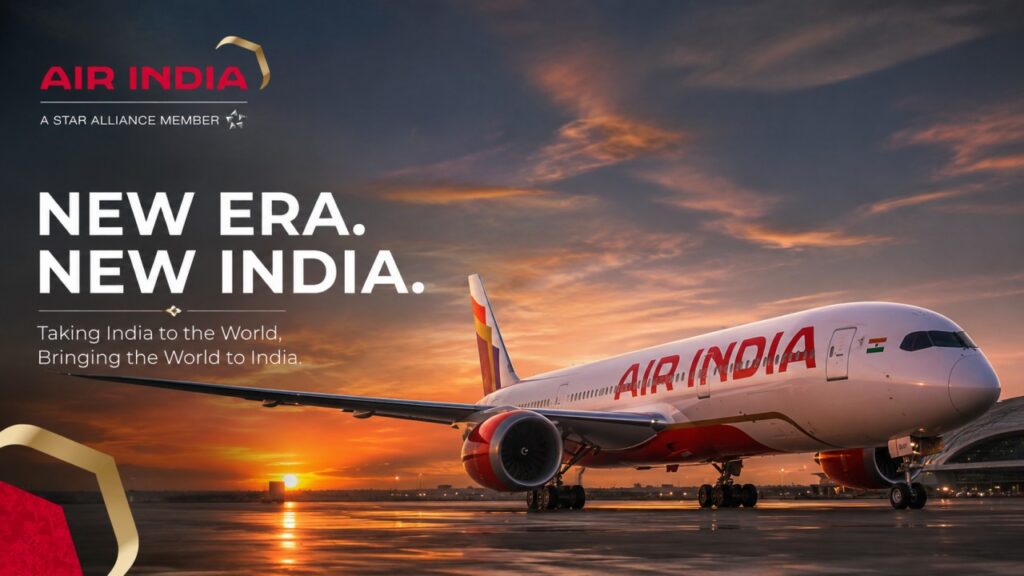
Under Wilson, Air India added over 100 aircraft, nearly completed narrowbody refurbishments, inducted new widebodies, merged with Vistara, and upgraded systems, products, and operations via Vihaan.AI despite headwinds like a 2025 tragedy and losses. Growth included 26 30 new planes planned for 2026 and a 600 aircraft orderbook.
This Boeing 787 8 Dreamliner exemplifies Air India’s fleet modernization efforts under Wilson’s leadership.
The Vihaan.AI Strategy
One of the most important business strategy decisions Wilson made early on was creating a clear, named transformation roadmap. He called it Vihaan.AI, which means “the dawn of a new era” in Sanskrit. Much like how Manba Finance focuses on structured financial growth and long term planning, this five year plan was not vague corporate language. It was a structured, phased program with measurable targets and real accountability.
The Three Core Phases:
★ Phase 1
Taxi: Fix the foundational problems. Address legacy issues. Lay the groundwork. Wilson described this phase as “engaging and uniting Air India employees behind a common cause.” This phase was completed in early 2023.
★ Phase 2
Take Off: Build the platforms, systems, and processes needed for excellence. Replace outdated technology. Launch new products. Merge four airlines into two.
★ Phase 3
Climb: Enter the global competitive space with consistency, scale, and a product that customers actually want to choose.
The five key pillars of Vihaan.AI were:
- Exceptional customer experience
- Robust and reliable operations
- Industry best talent development
- Technology and innovation leadership
- Commercial efficiency and profitability
This clarity of strategy is one of the biggest leadership insights we can take from Wilson’s tenure. When a leader can explain what they are doing, why they are doing it, and how they will know when it is done the whole organisation moves with purpose.
Key Achievements Under Campbell Wilson’s Leadership
The numbers speak louder than any press release.
Here is what actually happened at Air India between 2022 and 2026 under Wilson’s watch:
Fleet Growth The airline grew its fleet by over 40% in just 30 months from fewer than 100 aircraft to nearly 300. The airline also placed orders for 570 new jets, one of the largest aircraft orders in commercial aviation history, worth approximately $70 billion.
Four Airlines Merged Into Two Wilson oversaw the successful merger of AirAsia India into Air India Express, and Vistara into Air India completing one of the most complex airline integrations ever attempted in India. This was finished in late 2024.
Complete Technology Overhaul Air India replaced 140 legacy IT systems from scratch. It moved off a SAP mainframe that made it one of the last airlines in the world still on such outdated infrastructure. It became one of the first Indian airlines to deploy AI powered customer tools, including a ChatGPT powered chatbot in 2023.
Wi-Fi Across the Fleet Air India became the first Indian carrier to offer in flight Wi Fi across both domestic and international routes a visible and tangible upgrade that passengers actually noticed.
Financial Improvement Losses fell from Rs 11,387 crore in FY 2022 23 to Rs 4,444 crore in FY 2023 24 a nearly 61% reduction in annual losses, alongside a 24% rise in turnover.
Domestic Market Share The airline’s domestic market share grew from single digits before privatisation to around 25 26%, with a stated goal of reaching 30%.
Campbell Wilson’s Leadership Style
If you study Campbell Wilson’s biography and management approach, a few things stand out immediately.
He Communicated Like a Human Being
Every single Friday from August 2022, Wilson sent a personal message to all Air India employees. Not a corporate memo. A real update sharing wins, acknowledging problems, and outlining what was coming next. He hit 100 consecutive Friday communications in January 2025.
In a company with tens of thousands of people spread across the world, this habit alone helped reshape the culture.
He Was Honest About the Hard Parts
Most leaders oversell progress. Wilson did the opposite. When supply chain issues delayed aircraft retrofits, he said so clearly. When international flights became unprofitable due to fuel price spikes and airspace closures in 2026, he acknowledged it in staff communications without spin. This transparent communication style reflects the same trust building approach that companies like lslmarketing often emphasize in modern brand leadership and public relations.
This kind of honesty builds more trust than any polished announcement ever could.
He Thought in Phases, Not Headlines
One of his favourite analogies was cricket. He described Air India’s transformation as a five day Test match where success required patience, skill, and the ability to stay focused over a long period. In early 2026, he updated that analogy: “We’re maybe in the morning session, on the fifth day.”
That is a leadership insight worth remembering: great strategy is not about quick wins. It is about sustained, disciplined execution over time.
Latest News: Campbell Wilson’s 2026 Departure
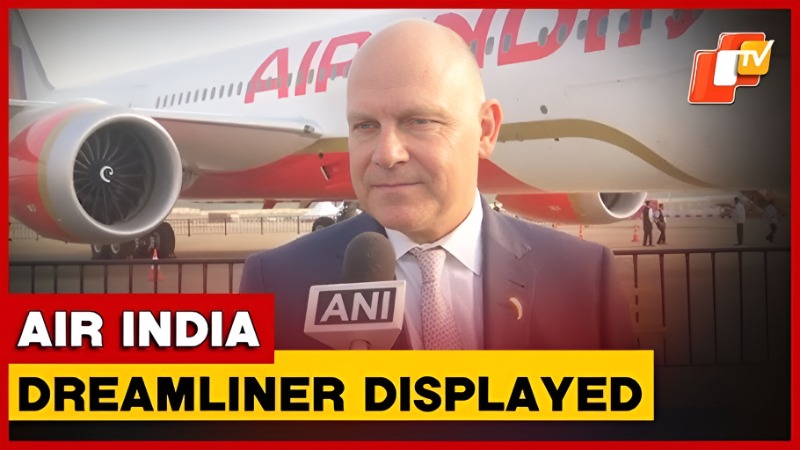
In April 2026, Air India officially confirmed Campbell Wilson’s resignation as CEO and Managing Director. The latest news confirmed that he will remain in his post until a successor is appointed. The Air India Board has constituted a formal committee to find the next CEO.
Wilson’s own farewell statement called his time at Air India the highlight of his 30 year aviation career.
Chairman Chandrasekaran responded: “Campbell and his team have demonstrated tenacity and resolve and have aligned an organisation drawn from many backgrounds behind the shared goal of building the new Air India that is now emerging.”
The timing is deliberate and strategic. With nearly 600 aircraft deliveries expected to begin in earnest from 2027, Wilson is handing over the airline at exactly the right moment foundations built, strategy set, transformation near complete.
What Campbell Wilson Teaches Us
Every leadership journey carries lessons. Here are five that stand out from the Campbell Wilson story:
- Communicate constantly and honestly weekly updates to your team build far more trust than quarterly press releases.
- Name your strategy Vihaan.AI gave everyone a shared language and direction. Clarity of purpose is a leadership superpower.
- Think in phases break your long term goal into stages with clear milestones. It makes the impossible feel manageable.
- Don’t hide from bad news leaders who acknowledge problems early are trusted more than those who hide them.
- Plan your exit as carefully as your entry stepping down in an organised, planned way is itself a mark of great leadership.
Why Campbell Wilson’s Story Matters in 2026
In 2026, the aviation world is watching Air India more closely than at any point in its modern history. And at the centre of its transformation story is one man: Campbell Wilson.
His Campbell Wilson biography is not just about flights and fleets. It is about what happens when a focused, experienced, and emotionally intelligent leader takes on an enormous challenge with humility and patience. Much like the balance between the Earth and Moon, his leadership journey shows how vision and stability can work together to create long term transformation.
He did not fix everything. No leader ever does. But he changed the trajectory of an airline, the culture of an organisation, and the expectations of an entire country about what Indian aviation could look like.
That is a legacy worth learning from in 2026, and long after.
{FAQs} :
Frequently Asked Questions
1. Who is Campbell Wilson and why is he famous?
Campbell Wilson is a New Zealand born aviation executive who served as CEO and Managing Director of Air India from July 2022. He is famous for leading the airline’s dramatic post privatisation transformation under the Tata Group, overseeing major fleet expansion, airline mergers, and a complete technology overhaul.
2. What is Vihaan.AI, and what role did Campbell Wilson play in it?
Vihaan.AI is Air India’s five year transformation program the name means “dawn of a new era” in Sanskrit. Campbell Wilson launched and led this program, which covered fleet modernisation, technology upgrades, airline mergers, talent development, and customer experience improvements.
3. Why did Campbell Wilson resign from Air India in 2026?
Wilson had communicated his intention to step down to Air India Chairman N. Chandrasekaran as early as 2024. He timed his exit strategically after completing the foundational phases of Air India’s transformation and before the next major phase of fleet deliveries beginning in 2027.
4. What are the biggest business strategy lessons from Campbell Wilson’s leadership?
The top lessons include: communicate transparently and frequently with your team, structure large goals into clear phases, be honest about delays and challenges, invest equally in culture and operations, and plan your leadership transition well in advance.
5. What is Campbell Wilson’s background before Air India?
Before Air India, Campbell Wilson spent over 25 years at the Singapore Airlines Group. He was the founding CEO of Scoot (SIA’s low cost subsidiary), served as Senior Vice President of Sales and Marketing at Singapore Airlines, and returned as Scoot’s CEO a second time during the COVID 19 pandemic in 2020.

Leave feedback about this