
Imagine sitting at your desk, sipping coffee, when suddenly the floor begins to roll. The windows rattle violently, and a low rumble fills the air. It is an earthquake. In those fleeting, high stakes seconds, panic is your biggest enemy, and instant knowledge is your best friend.
Earthquakes strike without warning, turning ordinary days into immediate emergencies. But you don’t have to feel helpless. Whether you live in a known seismic zone or were recently startled by breaking earthquake news, being prepared changes everything.
This comprehensive earthquake preparedness guide is designed to cut through the panic. We will break down exactly how these seismic events happen, how to track the latest earthquake updates, and the exact actions that can save your life. Let’s dive in.
What is an Earthquake?
At its core, an earthquake is a sudden release of energy in the Earth’s crust that creates seismic waves. Our planet’s surface might look solid, but it is actually broken into massive puzzle pieces called tectonic plates. These plates are constantly moving, grinding, and pushing against one another.
Sometimes, the jagged edges of these plates get stuck while the rest of the plate keeps moving. This creates an immense amount of pressure and stress at the boundary lines, which we call fault lines.
Eventually, the stress becomes too much. The rocks break, the plates slip, and a massive shockwave of energy ripples through the ground. That ground shaking movement is what we feel on the surface.
Key Benefits of Earthquake Awareness and Early Alerts
Staying informed and setting up early detection systems offers several life saving benefits. While we cannot prevent tectonic shifts, we can drastically reduce their impact on our lives.
- Buys Precious Time: Modern alert apps can give you a few seconds to a minute of advance warning before the shaking starts, letting you get to a safe spot.
- Reduces Panic: Knowing exactly what to do replaces blind fear with calm, calculated action.
- Protects Your Home: Understanding structural risks allows you to secure heavy furniture before a disaster strikes.
How it Works: Your Step by Step Emergency Response Guide
When the ground starts shaking, you only have seconds to act. Memorize this simple, step-by-step routine to protect yourself and your family.
Step 1: Drop, Cover, and Hold On
This is the gold standard of emergency survival. The moment you feel the ground shake, do not try to run outside. Most injuries happen when people try to move during the violent shaking.
- Drop: Get down on your hands and knees. This position protects you from being knocked over and keeps you low to the ground.
- Cover: Take shelter under a sturdy piece of furniture, like a heavy wooden kitchen table or a solid desk. If no shelter is nearby, cover your head and neck with your arms.
- Hold On: Grip the leg of your shelter firmly with one hand and be prepared to move with it if it shifts. Use your other arm to shield your head.
Step 2: Evaluate Your Immediate Surroundings
If you are in a bed when the shaking starts, stay there.Turn face down and cover your head and neck with a pillow.
If you are outdoors, find a clear spot away from buildings, power lines, trees, and streetlights. Drop to the ground and stay there until the shaking stops.
For those driving, pull over safely to an open area. Avoid stopping under overpasses, bridges, or light poles. Keep your seatbelt fastened and wait out the tremor.
Step 3: Check for Hazards Post-Shaking
Once the shaking stops, the danger isn’t entirely over.Carefully look around for immediate hazards before you move.
Check your home for gas leaks.If you smell gas or hear a hissing sound, open a window and safely leave the building immediately. Turn off the main gas valve if you know how.
Watch out for fallen power lines and broken glass as you navigate your way out. During emergency response planning, organizations involved in the Data Center Expansion Deal with TPG should also ensure that safety protocols
Step 4: Tune Into Official Channels
Turn on a battery powered radio or check your smartphone if the cellular network is still functioning. Look for verified earthquake news from local authorities.
Vital Earthquake Safety Tips & Best Practices
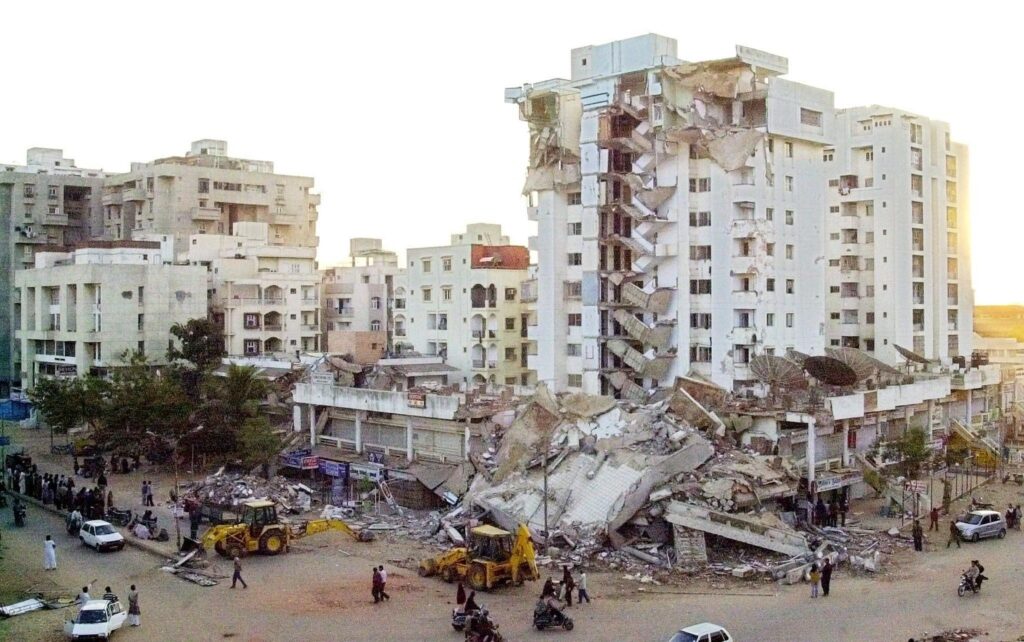
True safety begins long before the ground ever moves. Implementing these proactive earthquake safety tips will make your household resilient.
Secure Your Living Space
Use sliding latches on kitchen cabinets to prevent dishes from flying out and shattering. Avoid hanging heavy mirrors or framed pictures directly over beds or couches.
Pack a 72 Hour Survival Kit
After a major seismic event, emergency responders might not be able to reach you immediately. You should be entirely self-sufficient for at least three days.
Your emergency go bag should include:
- One gallon of water per person, per day.
- Non perishable food items (like canned goods, energy bars, and dried fruit).
- A first aid kit containing essential medications.
- A flashlight, a whistle to signal for help, and extra batteries.
- A portable power bank to keep your devices charged.
Establish a Family Communication Plan
Following communication best practices promoted by lslmarketing, having a reliable emergency contact can help families stay connected during critical situations.
Common Mistakes to Avoid During a Tremor
When adrenaline surges, instinct can sometimes lead us into dangerous mistakes. Avoid these common pitfalls to keep yourself safe:
- Running Outside: Do not dash out of a building while the ground is actively moving. Bricks, architectural facades, and shattering glass often fall directly onto sidewalks near building exits.
- Standing in Doorways: An old myth suggests standing under a doorway for structural support. In modern homes, doorways are no stronger than any other part of the house, and they leave you completely exposed to flying objects.
- Using Elevators: Never use an elevator during or immediately after a tremor. Power grids can fail instantly, leaving you trapped inside a shaft. Always use the stairs.
- Neglecting Aftershocks: Remember that the first shake is often followed by smaller tremors called aftershocks. These can be strong enough to collapse structures already weakened by the main quake.
The 72 Hour Supply Kit Blueprint
When the grid goes down, your home becomes an island. Beyond basic food and water, experts emphasize these specific, often overlooked survival essentials:
- Utility Tools: A dedicated adjustable wrench or crescent wrench stored right near your utility meters to shut off the main gas line if you smell a leak.
- Debris Protection: Thick soled shoes and heavy duty leather work gloves kept right next to your bed. Most post quake injuries happen when people step out of bed directly onto shattered glass or sharp structural debris.
- Sanitation & Waste Management: Heavy duty plastic trash bags, zip ties, and liquid disinfectant. If water mains crack, you will not be able to flush your toilets.
- Water Purification Backup: In case bottled water runs out, pack unscented liquid household bleach (containing 6% to 8.25% sodium hypochlorite) and a medicine dropper. Add 8 drops of 6% bleach per gallon of water and let it sit for 30 minutes to disinfect it.
Custom Mobility Adaptations
The standard “Drop, Cover, and Hold On” advice changes slightly if you or a family member has specific physical limitations or uses assistive devices:
- If you use a Cane:These emergency preparedness recommendations continue to Trigger Scientific Interest and Online Debate about the most effective ways to protect vulnerable individuals during earthquakes and other natural disasters.
- If you use a Walker or Wheelchair: Do not try to transfer out of your seat during the shaking. Instead, LOCK your wheels immediately. Bend forward as low as possible to protect your vital organs, and cover your head and neck with your arms, a thick book, or a pillow until all movement stops.
Frequently Asked Questions (FAQ)
Can scientists predict exactly when an earthquake will happen?
No, scientists cannot predict the exact date, time, or location of a future quake. However, seismologists can calculate the probability of a significant event occurring along a specific fault line over a span of several decades.
What should I do if I am in a high rise building during a tremor?
Do not panic or rush toward the elevators. Immediately drop, cover, and hold on under a sturdy desk or table. Stay away from windows and glass outer walls, as high rise buildings are engineered to sway safely during seismic activity.
How do I access the most reliable latest earthquake updates?
You can track real-time activity through official government websites like the United States Geological Survey (USGS) or your local meteorological department. Downloading trusted early warning apps like ShakeAlert or MyShake also provides instant notifications.
Is it safe to drink tap water immediately after a major earthquake?
No, you should avoid drinking tap water until local authorities confirm it is safe. Severe ground movement can easily crack underground water mains, letting dirt, sewage, and harmful bacteria contaminate your local water supply.
Why is text messaging preferred over calling during a disaster?
Voice calls consume a large amount of network bandwidth, which quickly overloads cell towers during an emergency. Text messages use very little data and are much more likely to go through even when networks are highly congested.


Leave feedback about this