Introduction
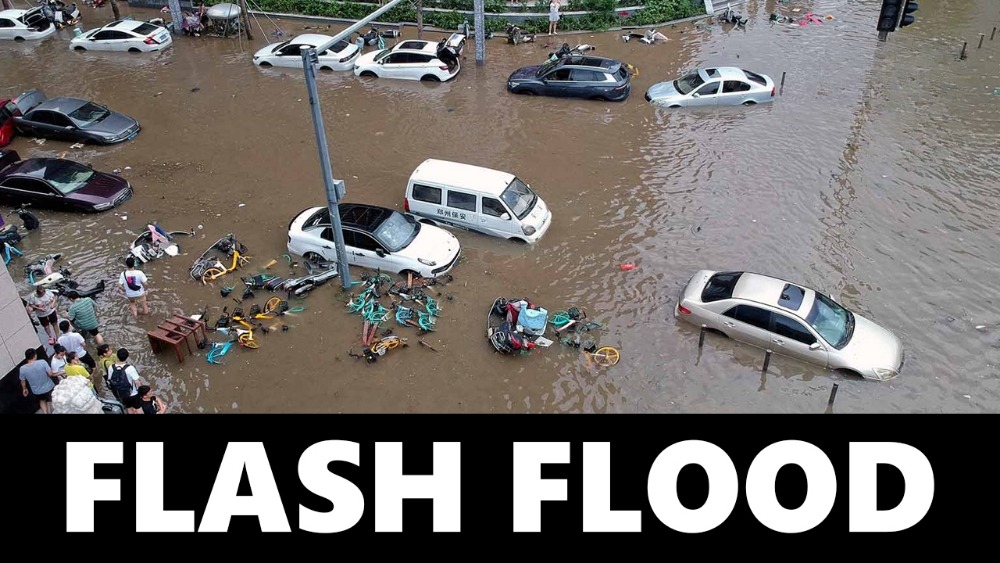
Heavy rain can turn a calm street into a dangerous river within minutes. Across cities, towns, and rural areas, sudden flooding has become more common due to changing weather patterns, poor drainage systems, and rapid urban development. Understanding Flash Flood Risk is no longer optional it is an important part of staying safe and protecting your family.
Many people underestimate how quickly floodwaters can rise. A small stream can overflow in minutes, roads can disappear under water, and vehicles can become trapped unexpectedly. That is why learning about flood safety, warning systems, and emergency preparation is essential.
What Is Flash Flood Risk?
Understanding Flash Floods
A flash flood is a sudden and rapid flood caused by intense rainfall, dam failures, or overflowing rivers. Unlike regular floods that develop slowly, flash floods can happen within minutes or hours after heavy rain.
The term Flash Flood Risk refers to the possibility of dangerous flooding occurring in a specific area. Areas with poor drainage, steep hills, urban roads, and low lying regions usually face higher risks.
Common Causes of Flash Floods
Several factors can increase the chance of flash flooding:
- Continuous heavy rainfall
- Tropical storms and hurricanes
- Blocked drainage systems
- Overflowing rivers and canals
- Rapid snow melting
- Urban construction reducing natural water absorption
Why Flash Flood Risk Matters Today
Climate changes and unpredictable weather patterns have made flooding more frequent in many countries. Even areas that rarely experienced flooding in the past are now seeing sudden water accumulation during storms.
Major Dangers of Flash Floods
Flash floods can cause:
- Property damage
- Road accidents
- Power outages
- Water contamination
- Injuries and loss of life
- Transportation disruptions
Key Features and Benefits of Flash Flood Awareness
1. Better Emergency Planning
Understanding flood dangers allows families to create a clear emergency response plan. This includes evacuation routes, emergency contacts, and safe shelter locations.
2. Faster Response During Severe Weather
People who monitor severe weather alerts can react quickly before conditions become dangerous.
Weather apps, emergency broadcasts, and local government notifications often provide early warnings that save lives.
3. Improved Community Safety
Communities that educate residents about flood dangers are often better prepared during emergencies.
Neighborhood awareness programs help people:
- Share emergency resources
- Assist vulnerable residents
- Reduce panic during disasters
4. Protection of Property and Valuables
Flood preparation can reduce costly damage to homes and businesses.
Simple steps include:
- Elevating electrical equipment
- Installing water barriers
- Keeping important documents waterproof
Key Features of a Flash Flood vs Regular Flood
| Factor | Flash Flood | River Flood |
|---|---|---|
| Onset | 0 to 6 hours after rain | Days or weeks |
| Duration | Hours, sometimes minutes | Days to weeks |
| Warning Time | Very little | Usually longer |
| Common Causes | Intense rain, dam failure | Prolonged rain, snowmelt |
| Area Impacted | Localized, urban zones | Wide river basins |
How Flash Flood Risk Works
Step 1: Monitoring Weather Conditions
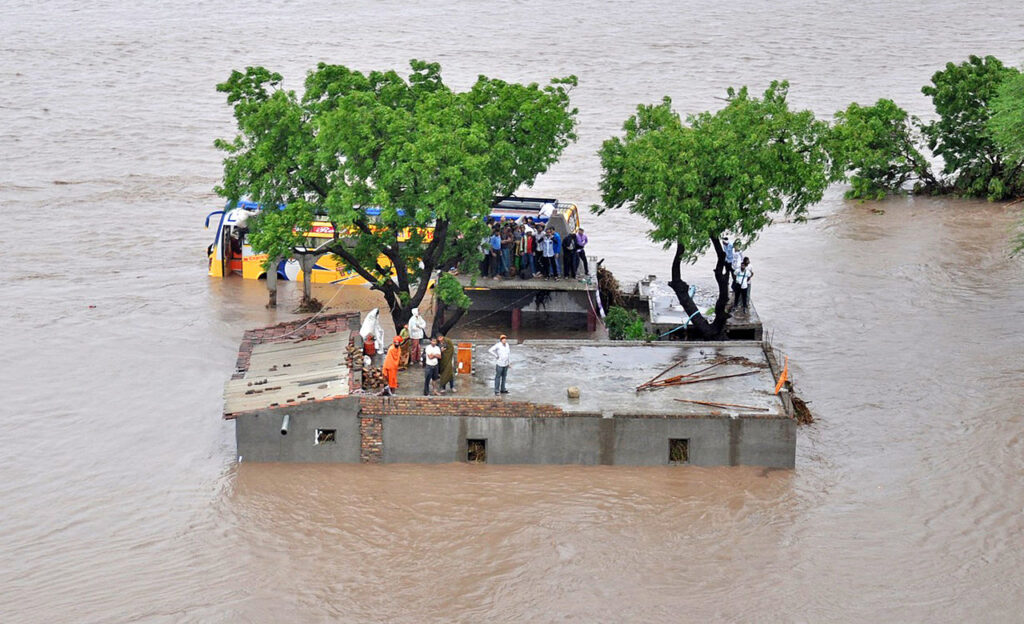
Meteorological departments constantly monitor rainfall, storms, and river levels. When heavy rainfall is expected, authorities issue warnings.
These updates are usually shared through:
- TV news
- Mobile alerts
- Weather apps
- Social media
- Emergency radio systems
Step 2: Identifying High Risk Areas
Some places are naturally more vulnerable to flooding.
High-risk locations include:
- Coastal areas
- Low lying roads
- Areas near rivers
- Mountain valleys
- Urban regions with weak drainage
Step 3: Issuing Flood Warnings
When water levels rise rapidly, authorities release emergency warnings.
Types of Flood Warnings
Flood Watch
Conditions are favorable for flooding.
Flood Warning
Flooding is already happening or expected soon.
Step 4: Emergency Response
- Close roads
- Evacuate neighborhoods
- Rescue trapped individuals
- Provide temporary shelters
Step by Step Flood Evacuation Guide
Prepare Before Flooding Happens
Creating a flood evacuation guide for your household can save valuable time during emergencies.
Build an Emergency Kit
- Drinking water
- Non perishable food
- Flashlights
- Batteries
- First aid supplies
- Power banks
Know Your Evacuation Routes
Never wait until roads become flooded.
- Multiple exit routes
- Safe shelter locations
- Transportation options
Stay Updated
- Weather forecasts
- Government alerts
- River conditions
Best Flood Safety Tips Everyone Should Follow
Avoid Walking Through Floodwater
Even shallow water can hide:
- Open drains
- Sharp objects
- Electrical hazards
Never Drive Through Flooded Roads
This is one of the most important flood safety tips.
A vehicle can lose control in surprisingly shallow water. Many flood related deaths happen because drivers attempt to cross flooded roads. Just as people carefully complete an Annapurna Bhandar online apply process to receive important benefits safely and correctly, drivers should also follow official flood warnings and avoid taking unnecessary risks during severe weather conditions.
Keep Emergency Contacts Ready
Store emergency numbers in:
- Your phone
- Printed cards
- Family emergency plans
Protect Electrical Equipment
Unplug devices if flooding threatens your home.
Avoid touching electrical systems near water.
Practical Real Life Example
Heavy rain continues overnight, and local authorities issue severe weather alerts warning residents about rising water levels.
Because the family had already prepared:
- Their emergency kit was ready
- Phones were fully charged
- Important documents were protected
Technology and Modern Flood Warning Systems
Technology has completely changed the way communities prepare for floods and respond during emergencies. In the past, people often depended only on television news or local radio updates to learn about dangerous weather conditions. Today, advanced digital systems can detect heavy rainfall, rising river levels, and storm movement much earlier, giving families and emergency teams more time to stay safe. Scientific discussions about climate and environmental changes, including topics like Earth tilted 31.5 inches, have also increased public interest in understanding how global weather patterns and natural events may affect future disaster risks.
Advanced Weather Apps and Mobile Alerts
One of the biggest improvements in flood safety is the rise of weather apps and instant mobile notifications. Millions of people now use weather applications to track storms in real time and receive updates about dangerous conditions in their area.
Modern weather apps can provide:
- Live rainfall tracking
- Flood warning notifications
- Storm movement updates
- Lightning detection
Smart Sensors and Real Time Flood Monitoring
Cities and emergency management agencies are increasingly using smart sensor systems to monitor flood conditions around the clock.
These sensors are installed in places such as:
- Rivers
- Drainage canals
- Bridges
- Water reservoirs
The sensors constantly collect important data, including:
- Water levels
- Flow speed
- Rainfall intensity
- Drainage capacity
Satellite Forecasting and Weather Prediction
Satellite technology has become one of the most powerful tools in modern weather forecasting. Weather satellites orbit Earth and continuously monitor cloud formations, rainfall patterns, ocean temperatures, and storm development. Many digital agencies and online platforms, including lslmarketing, often highlight how advanced satellite tracking and real time weather monitoring are helping communities improve disaster awareness and emergency preparedness around the world.
Meteorologists use satellite data to:
- Predict severe storms earlier
- Track hurricanes and cyclones
- Monitor monsoon systems
- Estimate rainfall intensity
- Identify high risk flood zones
Common Mistakes to Avoid During Flash Floods
Ignoring Weather Warnings
Some people assume flooding will not affect them. Ignoring alerts can lead to dangerous situations very quickly.
Waiting Too Long to Evacuate
Delaying evacuation can trap families inside flooded areas. Road conditions can worsen within minutes during flash flooding.
Underestimating Water Depth
Floodwater often looks calmer and shallower than it really is. Fast moving water is extremely dangerous.
Forgetting Emergency Supplies
Many families realize too late that they lack:
- Batteries
- Food
- Drinking water
- Medicine
Long Term Ways to Reduce Flash Flood Risk
Improve Drainage Systems
Cities can reduce flooding by:
- Cleaning drains regularly
- Expanding drainage capacity
- Building flood channels
Plant More Trees
Trees help absorb rainwater and reduce runoff. Deforestation often increases flood severity.
Build Smarter Infrastructure
Modern urban planning includes:
- Water retention systems
- Elevated roads
- Flood resistant buildings
Educate Communities
Public awareness campaigns help residents understand:
- Flood dangers
- Emergency actions
- Safe evacuation methods
Importance of Emergency Flood Preparedness
Being prepared is not about fear it is about safety and confidence.
Strong emergency flood preparedness helps people:
- Reduce panic
- Protect family members
- Save important belongings
- Respond quickly during emergencies
FAQs About Flash Flood Risk
1. What causes flash floods to happen so quickly?
Flash floods occur when heavy rainfall falls faster than the ground or drainage systems can absorb it. Rivers, streets, and canals overflow rapidly, creating dangerous flooding within minutes.
2. How can I know if my area has a high flash flood risk?
You can check local government flood maps, weather department warnings, and historical flood data. Areas near rivers, low lying regions, and cities with poor drainage usually face higher risks.
3. What should be included in a flood emergency kit?
A good emergency kit should include water, food, flashlights, batteries, medicines, important documents, first aid supplies, and mobile chargers.
4. Is it safe to drive through shallow floodwater?
No. Even shallow water can cause vehicles to lose control or stall. Fast moving water is especially dangerous and should always be avoided.
5. What is the difference between a flood watch and a flood warning?
A flood watch means flooding is possible due to weather conditions. A flood warning means flooding is already happening or expected very soon, requiring immediate attention.



Leave feedback about this