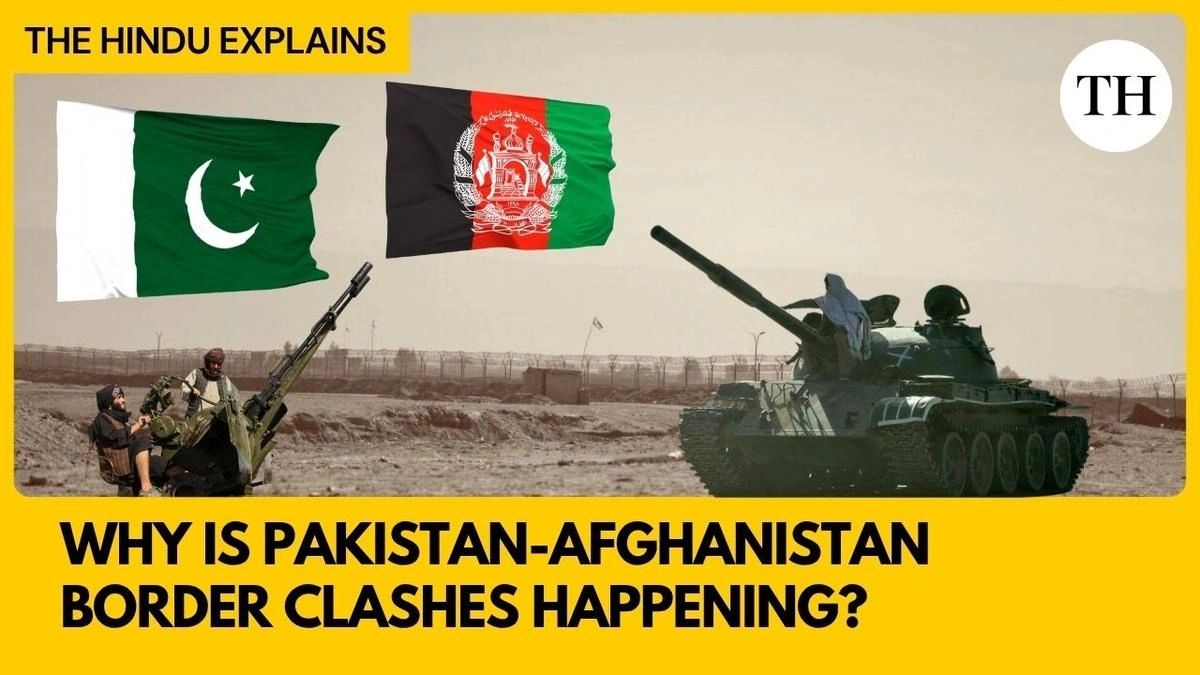
Pakistan. The name conjures up a lot of images, doesn’t it? Maybe you see news headlines, maybe cricket matches, or maybe even just a vague sense of geopolitical complexity. But here’s the thing: Pakistan’s story is far more nuanced and, frankly, far more relevant to your life than you might think. Let’s be honest, most news coverage is a mile wide and an inch deep. We’re going to dive deeper. We’re not just going to tell you what is happening in Pakistan; we’re going to explore why it matters, especially for those of us sitting here in India.
The Geopolitical Chessboard: Pakistan’s Strategic Importance
So, why should you care about geopolitical developments in Pakistan? Well, for starters, geography. Pakistan sits at a crucial crossroads , bordering India, Afghanistan, Iran, and China. Its stability – or instability – has ripple effects across the entire region. Think of it like this: if one piece falls on a chessboard, it can influence the whole game. Pakistan is a key piece. And, its relationship with China, especially the China-Pakistan Economic Corridor (CPEC), is reshaping regional dynamics in ways we’re only beginning to understand. This has HUGE implications for India’s own strategic positioning.
What fascinates me is how the narrative often gets reduced to simple good vs. evil, which is such a disservice. Pakistan, like any nation, is complex, with a rich history and diverse population. Understanding its internal dynamics – the interplay of different political factions, the role of the military, and the aspirations of its people – is crucial to understanding its foreign policy and its relationship with India. Ignoring it is like trying to understand a painting by only looking at one corner. Let’s explore Pakistan a little deeper.
Economic Turmoil and Its Potential Impact
Let’s talk money. Pakistan’s economic stability is precarious, to say the least. Recurring balance of payments crises, dependence on foreign aid, and structural issues plague its economy. Now, you might be thinking, “Why should I care about Pakistan’s economy when I have my own bills to pay?” Here’s why: economic instability can breed social unrest, which in turn can lead to political instability. And political instability in a nuclear-armed nation is something everyone should be concerned about. Moreover, economic challenges in Pakistan often lead to increased cross-border migration, which can put pressure on resources and infrastructure in neighboring countries, including India. The IMF has been a constant presence, offering bailouts, but these come with strings attached, impacting the country’s sovereignty and long-term development. Think of it like a domino effect – one country’s economic woes can quickly become a regional problem.
The Human Cost: Understanding the People of Pakistan
But beyond the geopolitics and economics, there’s the human element. The people of Pakistan are just like you and me – they have dreams, aspirations, and families to support. They want a better future for their children. Too often, we see only the negative stereotypes perpetuated in the media. It’s essential to remember the shared history, culture, and even language that binds us together. I initially thought this was straightforward, but then I realized how important it is to highlight the common threads of humanity that connect us. A common mistake I see people make is forgetting that behind every statistic, there’s a real person with a story to tell. That’s why understanding Pakistani culture and society is vital.
India-Pakistan Relations: A Delicate Dance
Of course, no discussion about Pakistan is complete without addressing India-Pakistan relations . It’s a relationship fraught with history, conflict, and mistrust. But it’s also a relationship that’s crucial for regional stability. The one thing you absolutely must double-check is that dialogue, however difficult, is the only path forward. The alternative is simply too grim to contemplate. And while the news often focuses on the conflicts and tensions, there are also ongoing efforts at Track II diplomacy, people-to-people exchanges, and cultural initiatives aimed at building bridges and fostering understanding. This isn’t to downplay the very real challenges and obstacles, but it’s crucial to acknowledge the efforts being made to find common ground.
Looking Ahead: Navigating the Future
So, what does the future hold for Pakistan? It’s a question with no easy answers. The country faces a multitude of challenges – economic, political, and social. But it also possesses immense potential – a young and dynamic population, abundant natural resources, and a strategic location. How Pakistan navigates these challenges will have a profound impact on the region and the world. Let me rephrase that for clarity: understanding Pakistan isn’t just an academic exercise; it’s a necessity for informed citizenship in an increasingly interconnected world. Let’s learn about current affairs in Pakistan.
FAQ: Your Burning Questions About Pakistan
Why is Pakistan so important to India?
Pakistan shares a long border and complex history with India. Its stability and policies directly impact India’s security, economy, and regional influence.
What are the main challenges facing Pakistan today?
Pakistan faces significant economic challenges, political instability, and security threats, including terrorism and extremism.
How does Pakistan’s relationship with China affect India?
Pakistan’s close ties with China, particularly through CPEC, raise concerns in India about strategic encirclement and regional power dynamics.
What can be done to improve India-Pakistan relations?
Dialogue, trade, and cultural exchanges can help build trust and reduce tensions, but progress requires political will and a willingness to address underlying issues.
What is Pakistan’s political landscape like?
Pakistan has a parliamentary system with a history of military intervention and political instability. Several parties compete for power, often leading to coalition governments.
How does US foreign policy affect Pakistan?
US foreign policy has a significant impact on Pakistan, influencing its economy, security, and international relations. Changes in US policy can create both opportunities and challenges.
Ultimately, understanding Pakistan requires moving beyond simplistic narratives and embracing the complexity of its reality. It requires empathy, critical thinking, and a willingness to engage with different perspectives. Only then can we begin to grasp the true significance of this crucial nation.



Leave feedback about this