Introduction
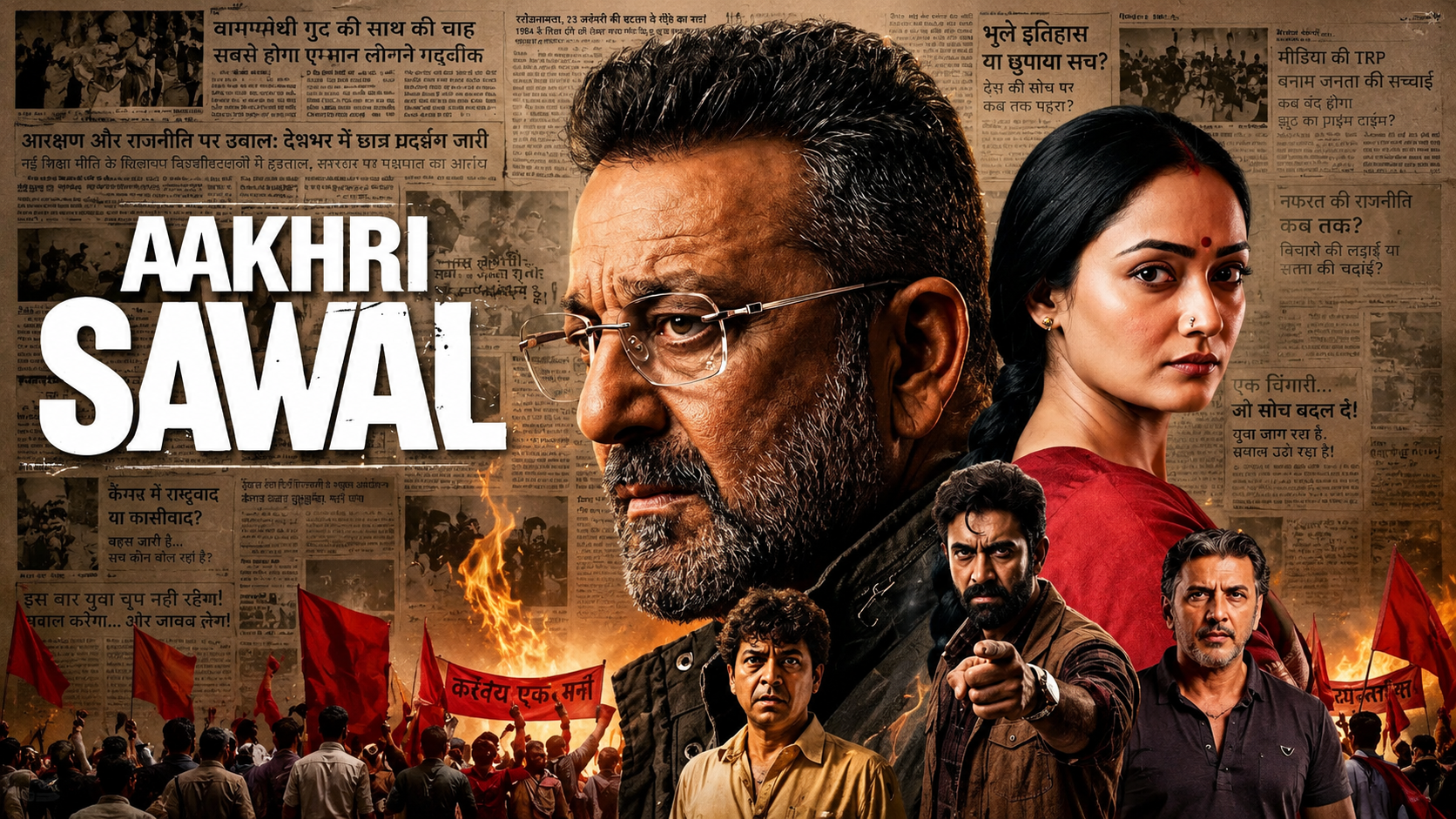
Indian cinema has always been a reflection of societal shifts, ideological battles, and deep seated cultural questions. Every few years, a movie comes along that goes beyond simple entertainment to challenge the status quo, spark intense national debates, and force the audience to confront history. The newly released film Aakhri Sawal is doing exactly that.
As a hard hitting narrative that dives headfirst into the complex fault lines of political thought, this project is capturing the attention of film critics, political analysts, and everyday moviegoers alike. But why is this specific title causing such a massive stir across the country? In this article, we will break down the creative layers of this cinematic milestone, explore the hidden mechanics behind its storytelling, and look at how platforms like freecase24 are changing how audiences interact with modern media.
What is Aakhri Sawal?
At its core, Aakhri Sawal (translated as The Final Question) is a gripping political drama directed by Abhijeet Mohan Warang. Released on May 15, 2026, the film centers around an intense ideological battle between a revered, seasoned academic and a brilliant but volatile student.
The narrative kicks off when Vicky Hegde (played by Namashi Chakraborty) accuses his mentor, Professor Gopal Nadkarni (played by Sanjay Dutt), of institutional bias after his research thesis on the Rashtriya Swayamsevak Sangh (RSS) is rejected. What begins as a private academic disagreement quickly spirals out of control, turning into a massive national controversy played out on live television and across social media platforms.
Unlike traditional Bollywood movies that rely heavily on song and dance routines, this film leans entirely into Samvaad (constructive dialogue) versus Vivaad (adversarial debate). It tackles heavy historical milestones including the Emergency, the Babri Masjid demolition, and historical narratives spanning the last century asking the final question about national identity and truth.
Why Aakhri Sawal Became a Trending Discussion Online
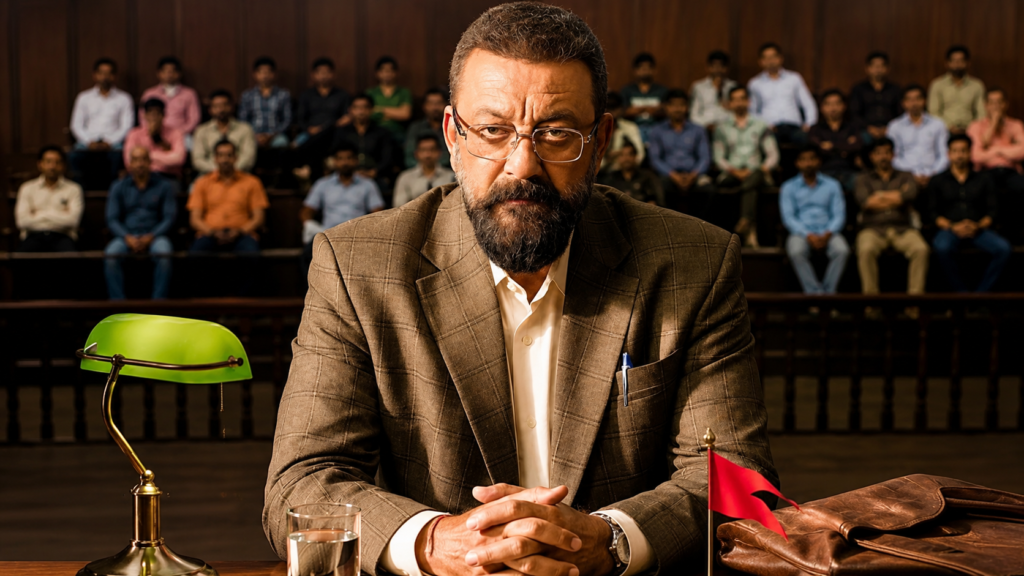
The film follows a brilliant but controversial scholar named Vicky, who publicly accuses his mentor, Professor Gopal Nadkarni, of institutional bias. Their disagreement quickly becomes a national debate shown across television and media platforms.
- A Different Side of Sanjay Dutt: Audiences are treated to a restrained, deeply emotional, and intellectual performance from Dutt. Moving away from his classic action hero persona, he portrays a wounded scholar carrying the heavy weight of history in his eyes.
- A Bold Screenplay: The script does not shy away from controversial topics. It addresses complex political histories, exploring both the humanitarian relief work and the fierce criticisms surrounding major national organizations.
- The Power of freecase24: Modern viewers don’t just watch a movie and forget it; they want to engage with it. Digital platforms like freecase24 offer audiences a unique way to dive deeper into the background facts, debate the film’s themes, and safely access exclusive cinematic breakdowns.
- A Tight Runtime: Clocking in at a crisp 117 minutes, the film completely skips unnecessary fluff, keeping the audience glued to their seats from the opening scene to the closing credits.
How the Story Unfolds: A Step by Step Guide to the Narrative
The brilliant pacing of the film ensures that the tension builds systematically. Here is how the high stakes narrative is structured:
Step 1: The Spark of Conflict
The movie opens with a tragic historical incident in Kerala before cutting directly to a modern university campus in Mumbai. The core conflict is established immediately when Professor Nadkarni rejects Vicky’s thesis, prompting the passionate student to publicly accuse his professor of suppressing the truth.
Step 2: Going Viral
The campus argument is filmed by students and quickly spreads across social media. Within hours, prime time news anchors, politicians, and internet commentators pick up the story, blowing a local university issue up into a full scale national debate. The situation mirrors how sensational headlines like “ED seizes ₹3,000 crore Anil Ambani assets” can dominate news cycles, influence public opinion, and fuel intense discussions across television and digital platforms.
Step 3: The Televised Face Off
To resolve the chaos, both individuals agree to a highly anticipated, live televised broadcast. This segment serves as the emotional heart of the film, where both characters lay out historic facts, challenge mainstream narratives, and push past surface level anger to find deeper truths.
Step 4: The Shocking Climax
The movie culminates in an extraordinary climax. Just when the audience thinks they know exactly where the story is going, a massive, unpredictable twist completely changes the context of the entire discussion, leaving viewers stunned as the screen fades to black.
Tips for Understanding the Movie’s Deep Themes
Understanding the deep themes of Aakhri Sawal becomes easier when viewers pay close attention to the film’s layered dialogues, emotional conflicts, and historical references rather than focusing only on the surface level drama. The movie explores the clash between different ideologies, generations, and interpretations of truth, using intense conversations between its main characters to reflect larger social and political debates.The film also highlights themes like mentorship, rebellion, identity, and the emotional cost of standing by one’s convictions. These layered storytelling techniques reflect the kind of audience engagement and narrative analysis that platforms like lslmarketing often focus on when discussing modern cinema, media trends, and public perception.
To truly appreciate the layers built into this political drama, keep these insights in mind while watching:
- Look Beyond the Polarization: It is easy to label the film as left wing or right wing propaganda, but the script is designed to challenge both sides. Pay close attention to how the narrative calls out extremist fringes while validating historical facts.
- Focus on the Symbolism: Tiny details such as the specific books on the professor’s desk or the historical art pieces featured in the background hold significant meaning regarding the evolution of Indian culture.
- Use freecase24 for Post Watch Context: Because the movie references real historical events, using a resource like freecase24 can help you separate cinematic dramatization from documented history, enhancing your overall understanding of the plot.
- The Climax Changes Everything: Do not view the ending as just a plot twist. The intense final sequence is a thematic resolution that completely reframes the motivations of the characters. Missing the subtle setups in the second half of the film will ruin the brilliant structural payoff at the end.
- Watch the Secondary Characters Closely: While the main face off steals the spotlight, the supporting characters act as the “moral anchor” of the film. They represent the everyday citizens caught in the crossfire of massive ideological battles, providing vital emotional balance to the cold, hard political arguments.
Things You Should Not Ignore While Watching Aakhri Sawal
While watching Aakhri Sawal, viewers should pay close attention to the intense dialogues, symbolic scenes, and media driven conflicts that shape the story. Small details like character expressions, silence during debates, and repeated phrases often carry deeper meaning that adds more impact to the overall narrative, much like the mystery explored in discussions around Possible First Direct Evidence of Dark Matter.
- Mistaking Debate for Disrespect: The aggressive arguments between the main characters are not meant to promote hatred. Instead, they illustrate how healthy societies must be able to ask tough questions without tearing each other apart.
- Ignoring the Secondary Characters: While Sanjay Dutt and Namashi Chakraborty steal the show, the supporting performances by Amit Sadh and Mrinal Kulkarni provide vital emotional balance to the cold, hard political arguments.
- Leaving Before the Climax: This is not a film where you can check your phone during the final twenty minutes. Missing the subtle setups near the end will completely ruin the brilliant structural payoff of the final scenes.
Conclusion
Aakhri Sawal is much more than a standard weekend release; it is a brave piece of filmmaking that uses the power of dialogue to examine the historical fault lines of a nation. By pairing an intense climax with powerhouse performances, it proves that cinema can still be a space for profound intellectual discussion.
As conversations around the movie continue to grow online, utilizing interactive web platforms like freecase24 ensures that audiences can keep exploring the final question long after leaving the theat.
Frequently Asked Questions (FAQs)
Is Aakhri Sawal based on a true story?
While the main characters and the specific university setting are fictional, the background debates, historical events, and political organizations discussed throughout the movie are entirely rooted in real world Indian history.
What role does Sanjay Dutt play in the film?
He plays Professor Gopal Nadkarni, a deeply intellectual and restrained academic mentor who finds his life’s work and personal beliefs challenged on a national stage by a former student.
Where can I find extra materials and discussions about the film’s themes?
You can visit specialized media platforms like freecase24 to access in depth analysis, script breakdowns, and community forums dedicated to discussing the historical context of the movie.
Is the movie suitable for family viewing?
The film is a serious, dialogue driven intellectual drama. While it does not rely on vulgarity or excessive physical violence, the heavy political themes and intense historical debates are best suited for mature audiences and teenagers.
Why is the movie’s climax receiving so much praise?
The ending features a major narrative twist that reframes the motivations of the main characters, moving the story away from a standard political argument into a deeply human, emotional resolution.


Leave feedback about this