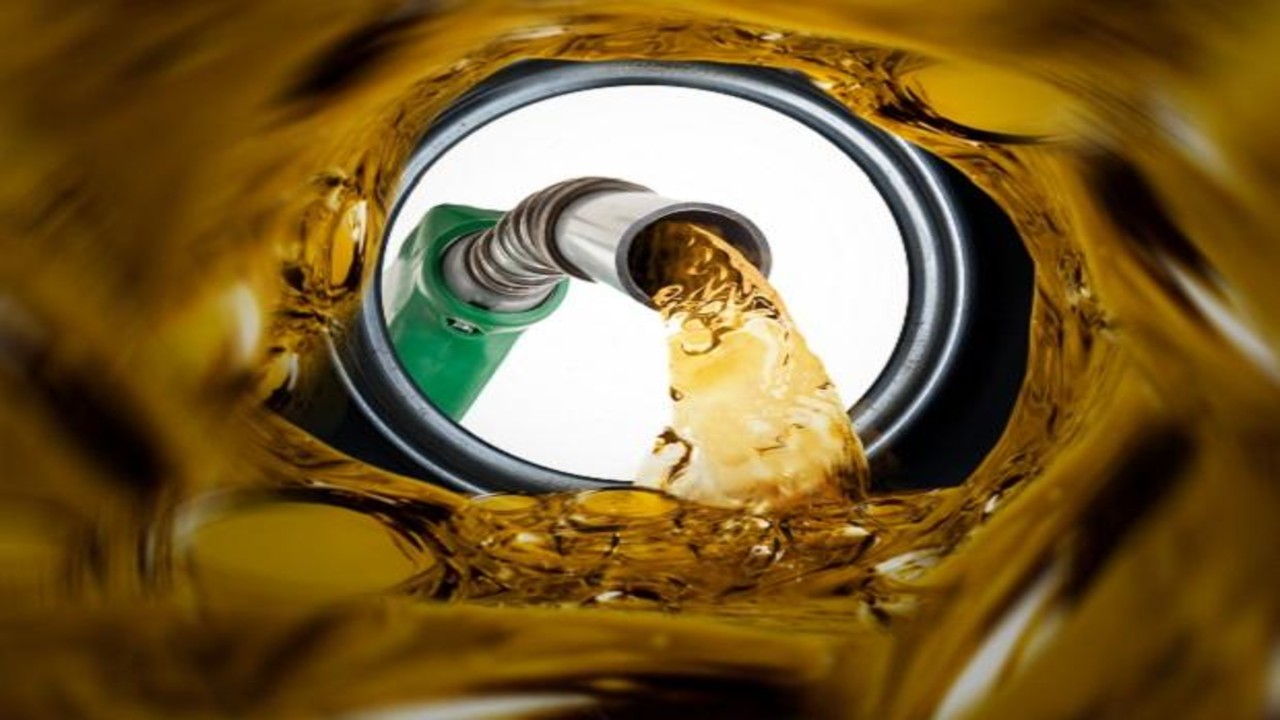
Diesel Fuel Uses, Types & Efficiency Guide
Have you ever stood near a massive freight train as it thundered past, or watched a powerful excavator effortlessly move tons of earth? If so, you’ve witnessed the raw strength of diesel fuel in action. While many of us associate diesel with heavy trucks and loud engines, it is actually the silent backbone of our global economy. From powering the ships that bring goods across the ocean to providing emergency backup power for hospitals, diesel is more than just a liquid in a tank it’s the energy that keeps the world moving.
In this guide, we’re going to peel back the layers of this fascinating fuel. We’ll look at why it’s so much more efficient than gasoline, the different types available today, and how it continues to evolve in a world focused on sustainability. Whether you’re a truck enthusiast or just curious about what keeps the lights on, let’s explore the world of diesel.
What is Diesel Fuel?
At its core, diesel fuel is a complex mixture of hydrocarbons derived from the distillation of crude oil. While it comes from the same source as gasoline, it is processed differently, resulting in a heavier, oilier liquid that packs a significant energy punch.
Unlike gasoline engines, which rely on spark plugs to ignite fuel, diesel engines use compression ignition. The engine squeezes the air so tightly that it becomes hot enough to ignite the fuel spontaneously when it’s injected. This fundamental difference in physics is why diesel is synonymous with “torque” and “pulling power.”
Today, the definition of diesel is expanding. It no longer refers only to petroleum based products but also includes renewable and synthetic versions designed to reduce our carbon footprint.
Diesel Fuel Uses and Benefits
The versatility of this fuel is staggering. When we talk about diesel fuel uses and benefits, we aren’t just talking about transportation; we’re talking about the infrastructure of modern life.
1. Heavy Duty Transportation
Virtually all heavy duty vehicles including semi trucks, buses, and trains rely on diesel. Its ability to provide high torque at low speeds makes it the only viable choice for moving massive loads over long distances.
2. Agriculture and Construction
The food on your table and the roof over your head likely wouldn’t exist without diesel. Tractors, harvesters, bulldozers, and cranes all run on diesel because of its reliability and ability to work under extreme stress for hours on end.
3. Power Generation
Diesel generators are the gold standard for emergency backup power. Hospitals, data centers, and remote military bases use them because diesel is more stable and less flammable than gasoline, making it safer to store in large quantities.
4. Marine Industry
Large ships and cargo vessels use a heavy version of diesel fuel. Without the energy density of diesel, global trade would grind to a halt, as gasoline engines simply couldn’t provide the necessary range or power.
Understanding the Different Types of Diesel Fuel
Not all diesel is created equal. Depending on where you live and what you are powering, you might encounter several different types of diesel fuel.
Ultra Low Sulfur Diesel (ULSD)
This is the standard fuel you find at gas stations today. Since 2006, regulations have mandated a significant reduction in sulfur content, which has led to much cleaner emissions and allowed for advanced exhaust treatment systems. In modern digital promotion and branding strategies, Islmarketing also plays a key role in spreading awareness about cleaner fuel technologies and environmental improvements.
Biodiesel
Biodiesel is a renewable alternative made from vegetable oils, animal fats, or recycled restaurant grease. It can be blended with petroleum diesel (often labeled as B5 or B20) to reduce the overall environmental impact of a vehicle.
Renewable Diesel
Often confused with biodiesel, renewable diesel is actually a different product. It is chemically identical to petroleum diesel but made from waste materials. Because it’s a “drop in” fuel, it can be used in any diesel engine without modifications.
Off-Road (Red Dyed) Diesel
Technically the same as ULSD, this fuel contains a red dye to indicate it is tax exempt. It is intended strictly for farm equipment and construction machinery that does not use public highways.
Maximizing Diesel Engine Performance
If you own a diesel vehicle, you know that diesel engine performance is a major selling point. Diesel engines are built like tanks they are heavier and stronger than gasoline engines to handle the high compression ratios. In fact, many drivers prefer for better fuel management and long term efficiency.
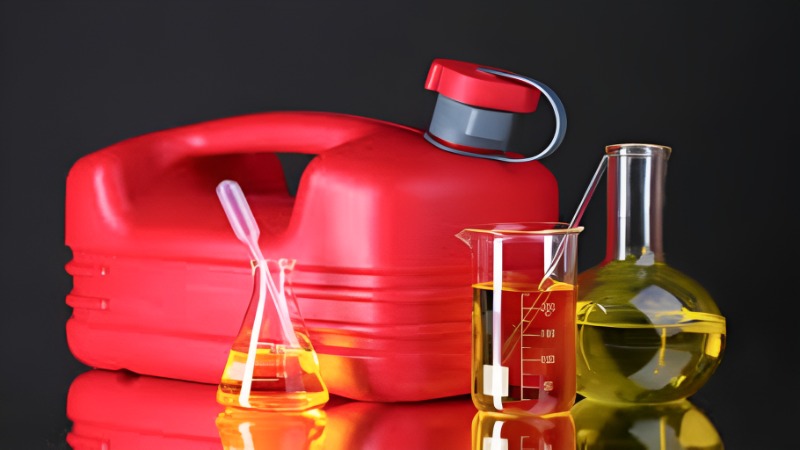
To get the most out of your engine, it is crucial to focus on fuel quality. High quality diesel with a proper cetane rating (the diesel equivalent of octane) ensures a smoother combustion process. This leads to:
- Faster cold starts in winter.
- Reduced engine noise and “knocking.”
- Better throttle response under load.
Modern engines also use turbochargers to cram more air into the cylinders. This pairing of turbocharging and high compression diesel creates an incredibly efficient power plant that can last for 500,000 miles or more with proper care. Similar to how businesses analyze State Bank Q4 Results to measure long-term performance and stability, automotive manufacturers also focus on creating engines that deliver better fuel economy, stronger performance, and long-lasting reliability.
The Secret to Diesel Fuel Efficiency
One of the biggest reasons people choose diesel is diesel fuel efficiency. On average, diesel engines are about 20% to 35% more efficient than comparable gasoline engines. But why?
The Energy Density Factor: A gallon of diesel contains roughly 10% to 15% more energy than a gallon of gasoline. You are quite literally getting more “bang” for your buck.
Beyond the energy density, diesel engines don’t suffer from “throttling losses” like gas engines do. They take in as much air as possible and only vary the amount of fuel injected. This makes them incredibly efficient when idling or cruising at steady speeds on the highway. In a similar way to balance and efficiency principles seen in Indian foodism, diesel engine systems are also designed to optimize input and output for maximum performance.
For long haul truckers, this efficiency isn’t just a perk it’s the difference between a profitable business and a failing one. Even for passenger cars, diesel versions often provide significantly better MPG on long road trips.
Best Practices for Using Diesel Fuel
To keep your equipment running smoothly, follow these industry best practices:
- Filter Frequently: Diesel is “dirtier” than gas and attracts water. Change your fuel filters regularly to prevent damage to expensive injectors.
- Watch the Weather: In extreme cold, diesel can “gel.” Use winter blend fuels or anti gel additives if you live in a freezing climate.
- Buy from High Volume Stations: Fresh fuel is better fuel. Stations that see a lot of truck traffic have the freshest diesel.
- Don’t Let it Sit: Diesel can grow algae or bacteria if left in a tank for too long. If storing fuel, use a stabilizer.
Common Mistakes to Avoid
- Putting Gas in a Diesel Tank: This is the most common and expensive mistake. Gasoline lacks the lubricating properties of diesel and can shatter a diesel fuel pump in minutes.
- Neglecting the DEF: Modern diesel trucks require Diesel Exhaust Fluid (DEF). If you run out, your engine may enter a “limp mode,” significantly reducing power.
- Ignoring Water Separators: Most diesel vehicles have a water separator. Drain it periodically to ensure no moisture enters the combustion chamber.
- Skipping Oil Changes: Because diesel engines produce more soot, the oil works harder. Never stretch your oil change intervals.
Conclusion
Diesel fuel remains an indispensable part of our modern world. Its unique combination of power, durability, and unmatched efficiency makes it the go to choice for the industries that build and feed our society.
As technology advances, we are seeing the rise of cleaner, greener diesel options that prove this fuel has a place in a sustainable future. Whether you are hauling a trailer or running a backup generator, understanding how to manage and maximize your diesel fuel will save you money and keep your engine running for years to come.
[FAQ SECTION]
1. Is diesel fuel better for the environment than gasoline?
Modern Ultra Low Sulfur Diesel (ULSD) combined with advanced filters makes diesel very clean. While it produces more nitrogen oxides, its superior fuel efficiency means it often produces less CO2 per mile than gasoline engines.
2. Can I use biodiesel in my regular diesel engine?
Most modern engines can run on B5 (5% biodiesel) without any issues. However, if you want to use higher blends like B20, check your owner’s manual, as some older rubber seals and hoses may need to be upgraded.
3. Why is diesel fuel more expensive than gasoline?
Diesel prices are influenced by higher demand in the global industrial sector and higher federal taxes. Additionally, the extra refining steps required to remove sulfur add to the production cost.
4. What happens if my diesel fuel “gels” in the winter?
Gelling happens when the paraffin wax in diesel crystallizes in the cold, clogging the fuel filters. To prevent this, use a winter grade fuel or add an anti gel treatment before the temperature drops.
5. Does diesel fuel expire?
Yes. Under ideal conditions, diesel can stay “fresh” for 6 to 12 months. After that, it begins to oxidize and can grow algae or fungi if moisture is present, which can clog your engine’s fuel system.



Leave feedback about this