Introduction
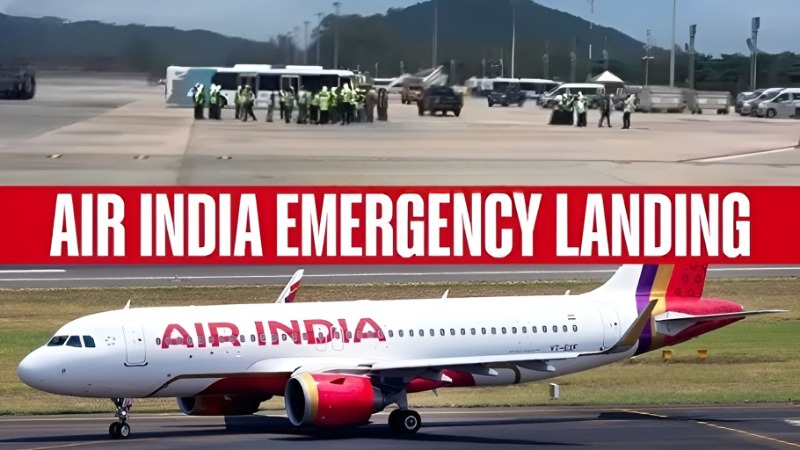
Imagine looking out of your airplane window and seeing the engine flicker, or hearing a strange thud from below the cabin. Your heart races. In that moment, one phrase runs through everyone’s mind: emergency landing. It sounds terrifying, but here is the truth modern aviation is incredibly safe, and pilots train for these exact moments more often than you think.
In fact, most unplanned landings happen without a single injury. The key to staying calm is understanding what is happening and why. This guide will walk you through the 7 most common causes of these situations, plus the critical emergency landing safety tips that could save your life.
What Is an Emergency Landing?
Simply put, an emergency landing is an unplanned landing of an aircraft when a serious issue makes it unsafe to continue to the original destination. It does not always mean a crash. In fact, pilots differentiate between three main types:
- Forced landing: The engine has failed completely. The plane is coming down, and the pilot picks the best possible spot (a field, a straight road, or water).
- Precautionary landing: Something is wrong (like a strange smell or a warning light), but the plane can still fly. The pilot chooses to land early as a safety measure.
- Ditching: A specific term for landing on water. It is rare, but pilots are trained for it.
Understanding the airplane emergency landing procedure is crucial because it transforms fear into action. When you know what to expect brace position, listening to crew commands, and leaving belongings behind you stop being a victim and start being a prepared passenger, much like how people prepare and respond quickly during a dangerous Flash Flood situation to improve safety and survival chances.
6 Most Common Emergency Landing Causes
Why do these events happen? Most passengers assume it is always a complete engine failure. In reality, the causes are varied. Here are the 7 most frequent reasons pilots declare an emergency.
1. Engine Failure or Malfunction
This is the classic fear, but modern engines are remarkably reliable. Most “failures” are partial the engine loses power but doesn’t stop entirely. Causes include fuel contamination, bird strikes (like the famous “Miracle on the Hudson”), or mechanical wear.
2. Fuel Exhaustion or Starvation
Shockingly, this happens more often than engine failure. Fuel exhaustion means the plane literally runs out of gas (usually pilot error). Fuel starvation means fuel is stuck in a tank that can’t be accessed. In both cases, the emergency landing becomes a race against gravity.
3. Landing Gear Problems
Sometimes the wheels refuse to lock down. Pilots can usually fix this with manual release systems. If not, they perform a “belly landing” on a foam covered runway. It sounds dramatic, but it is often slow and survivable.
4. Smoke or Fire in the Cockpit
This is every pilot’s worst nightmare because smoke means possible electrical fire or overheating components. In these cases, the airplane emergency landing procedure changes pilots must land immediately, often within minutes. Speed saves lives here.
5. Medical Emergency On Board
A passenger heart attack or severe allergic reaction can force a diversion. The pilot lands at the closest airport, often with paramedics waiting. This is the most common reason for unplanned landings in commercial aviation.
6. Severe Weather or Icing
Ice on the wings changes shape, making the plane heavier and less aerodynamic. Thunderstorms can also damage engines. Pilots will declare an emergency and request an immediate descent or landing if ice builds up faster than the de icing system can handle, a situation that captures scientific curiosity much like the recent discussions around Dark Matter and its mysterious impact on our understanding of the universe.
Essential Emergency Landing Safety Tips for Passengers
Now for the part you actually need to remember. These emergency landing safety tips are based on real survivor interviews and flight crew training. Read them twice.
Before Takeoff: The 30 Second Scan
Most passengers ignore the safety card. Don’t be that person. Count the rows between you and the nearest exit. In thick smoke, you will be crawling on the floor. Rely on touch, not sight.
The Brace Position: Why It Works
You have seen it a thousand times: head down, hands on top of your head. This prevents “secondary impact” your head snapping forward. Feet flat on the floor, not stretched out. Do not cross your ankles. This simple posture reduces broken bones by over 50%.
Leave Everything Behind
In a real evacuation, that laptop and suitcase are deadly projectiles. More importantly, hesitating to grab your bag slows down everyone behind you. Survivors of the 2016 Emirates emergency landing in Dubai later reported that the few seconds spent reaching for bags caused traffic jams at the exits.
How the Airplane Emergency Landing Procedure Works (Step by Step)
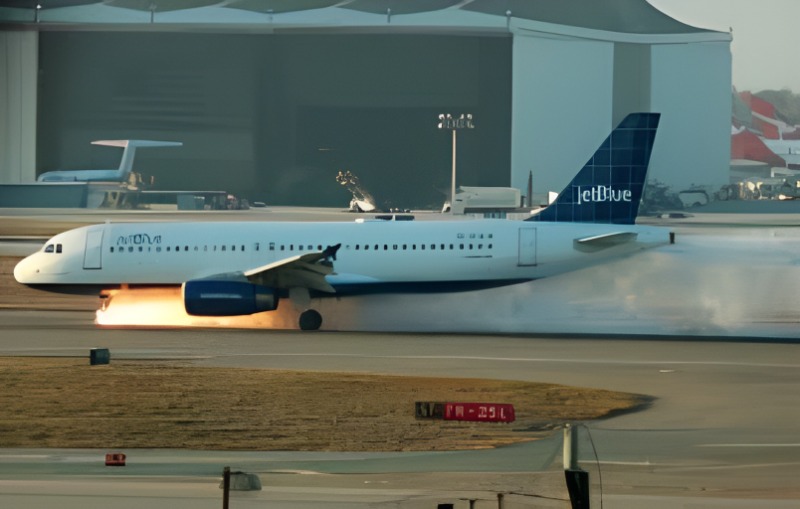
You might think pilots are panicking. They are not. They are following a checklist memorized years ago. Here is the exact airplane emergency landing procedure used by commercial crews.
Step 1: Identify the Problem
The flight deck receives a warning light, unusual vibration, or abnormal reading. The pilot flying stays in control while the pilot monitoring reads the emergency checklist.
Step 2: Declare “Mayday”
The crew contacts air traffic control (ATC) with three words: “Mayday, mayday, mayday.” This shuts down all other radio traffic. ATC clears the airspace and rolls fire trucks.
Step 3: Choose a Landing Site
ATC suggests the nearest suitable airport. If engines fail completely, the pilot calculates “best glide speed” the speed that keeps the plane in the air the longest. They then aim for a field, highway, or river.
Step 4: Brief the Passengers
The lead flight attendant announces the procedure. This is where you hear “Brace, brace!” or “Prepare for evacuation.” The crew unlocks exits and removes shoes.
Step 5: Execute the Landing
This is pure skill. The pilot flares the nose just before touchdown to reduce vertical speed. On water, they aim parallel to waves. On land, they avoid obstacles.
Common Mistakes Passengers Make (And How to Avoid Them)
We all think we would be calm heroes during an emergency landing. But panic does strange things. Avoid these three deadly errors.
- Inflating your life vest inside the plane. If the cabin floods, the vest will push you against the ceiling, trapping you. Only inflate it after you exit.
- Opening a door when there is fire outside. Flight attendants check windows for flames before opening. Passengers who “help” by popping an exit can suck fire into the cabin.
- Running to the tail without thinking. Many assume the tail is safest. In truth, the seats nearest an exit are safest. The middle of the plane has the highest survival rate in crash data.
Also, never try to “help” by carrying your luggage out. It blocks the aisle. One study found that removing just one suitcase from an overhead bin adds 10 seconds to evacuation time. Multiply that by 100 passengers, and people die.
Real Life Lessons: The Miracle on the Hudson
On January 15, 2009, US Airways Flight 1549 struck a flock of geese shortly after takeoff from New York. Both engines failed. Captain Chesley “Sully” Sullenberger realized he could not reach any airport. He made the decision to ditch in the Hudson River.
What made this emergency landing successful? Three things: First, Sully followed the airplane emergency landing procedure perfectly he glided at the optimal speed and landed tail first to soften impact. Second, passengers followed emergency landing safety tips they left bags behind and evacuated onto the wings. Third, rescue boats arrived in minutes because ATC had already alerted them. All 155 people survived.
That story is not a miracle. It is training meeting discipline.
Your Top 4 Questions Answered
1. How often do emergency landings actually happen?
Surprisingly often, but most are “precautionary” and boring. For commercial airlines, there is roughly one unplanned landing for every 10,000 flights. The vast majority involve no injuries, just an early stop for a mechanical check.
2. What should I do if I see a wing engine catch fire?
Remain calm and tell a flight attendant quietly. Do not scream “Fire!” because that can create panic among passengers. Modern aircraft engines are designed to contain fires safely inside the cowling. The pilots will immediately shut down the affected engine and perform an emergency landing at the nearest airport, a strategy that reflects the importance of clear communication and crisis handling often emphasized in modern digital branding approaches like lslmarketing.
3. Is it safer to sit at the back of the plane during an emergency?
Statistically, seats near the exits have the highest survival rate. However, the back of the plane has a slightly lower impact force in most crash scenarios. Your best bet is counting your row distance to the nearest exit, regardless of where you sit.
4. Can an airplane land safely without landing gear?
Yes. It is called a “belly landing.” The pilot will burn off excess fuel to reduce fire risk, then touch down on a foam covered runway. It is loud and bumpy, but modern airframes are designed to slide without breaking apart.



Leave feedback about this