Introduction
The ebola virus is one of the most serious infectious diseases ever identified in modern medical history. Over the years, outbreaks in different parts of Africa have raised global concern because of the virus’s rapid spread and high fatality rate. Although Ebola is rare compared to common infections, it remains an important public health issue due to its severe symptoms and potential to affect communities quickly.
Many people know the name Ebola but do not fully understand how the virus spreads, what symptoms appear first, or how doctors manage treatment during outbreaks. Learning accurate information is important because myths and fear often spread faster than facts. This guide explains everything in simple language, including symptoms, prevention methods, treatments, outbreak history, and safety tips. Whether you are researching health topics or simply staying informed, this article offers practical and reliable insights about Ebola.
What Is Ebola Virus?
The ebola virus is a rare but dangerous virus that causes severe illness in humans and certain animals. It belongs to a group of viruses called filoviruses and is known for causing internal bleeding, organ damage, and life-threatening complications in severe cases.
The disease was first identified in 1976 near the Ebola River in Central Africa, which is how the virus received its name. Since then, multiple outbreaks have occurred, mostly in African countries.
Ebola spreads through direct contact with infected bodily fluids such as blood, sweat, saliva, urine, or contaminated surfaces.
The virus does not spread through the air like the common flu, but close human contact can quickly increase transmission during an outbreak.
Understanding Ebola Virus Symptoms
Recognizing ebola virus symptoms early can help reduce transmission and improve survival chances through immediate medical care.
Symptoms usually appear between 2 and 21 days after exposure.
Early Symptoms
At the beginning, Ebola often looks similar to other viral infections.
Common early signs include:
Fever
Headache
Muscle pain
Weakness
Sore throat
Fatigue
Because these symptoms resemble malaria or flu, diagnosis can sometimes be delayed.
Advanced Symptoms
As the disease progresses, symptoms become more serious.
Patients may experience:
Vomiting
Diarrhea
Stomach pain
Skin rash
Internal bleeding
Organ failure
Severe dehydration and blood loss can make the illness life threatening without proper medical support.
How Ebola Virus Spreads
The virus spreads mainly through direct physical contact with infected fluids.
Understanding transmission is essential for controlling an ebola virus outbreak effectively. and public awareness campaigns often gain attention online alongside unusual science topics like What If Earth tilted 31.5 inches, helping educational content reach wider audiences.
Common Transmission Sources
People may become infected through:
Contact with infected blood
Touching contaminated medical equipment
Handling infected animals
Caring for infected patients without protection
Healthcare workers face higher risks during outbreaks if safety equipment is limited.
Human-to-Human Transmission
Family members and caregivers are especially vulnerable because they often have close physical contact with infected individuals.
Funeral practices involving direct contact with bodies have also contributed to past outbreaks.
Key Facts About Ebola Virus
Ebola Is Rare but Serious
Unlike seasonal viruses, Ebola outbreaks are usually limited to specific regions. However, the illness becomes dangerous because of its severity and rapid spread in healthcare systems with limited resources.
Survival Rates Can Improve
Modern medical care has improved survival rates significantly.
Early treatment increases the chances of recovery by helping patients manage dehydration, blood pressure, and organ complications. During major global events and headlines such as Silver Prices Soar to Record Highs During Cup, health experts also continue emphasizing the importance of fast medical response for serious diseases like Ebola.
Vaccines Now Exist
One major medical breakthrough is the development of vaccines for Ebola.
Vaccination programs have helped reduce the spread during recent outbreaks.
Ebola Virus Treatment Options
There is no simple cure that instantly removes Ebola from the body, but modern ebola virus treatment methods have improved greatly in recent years.
Supportive Medical Care
Doctors focus on stabilizing patients while the immune system fights the virus.
Treatment may include:
Intravenous fluids
Electrolyte replacement
Oxygen support
Blood pressure management
Pain relief medications
Good hydration is extremely important because many patients lose large amounts of fluid through vomiting and diarrhea.
Experimental Medications
Some antiviral drugs and antibody treatments have shown positive results during recent outbreaks.
Medical researchers continue working on better therapies to improve recovery rates.
Isolation Procedures
Patients are usually treated in specialized isolation units to prevent transmission.
Healthcare workers wear protective suits, gloves, masks, and shields during treatment.
Ebola Virus Prevention Methods
Strong ebola virus prevention strategies are the best way to reduce outbreaks and protect communities.
Personal Safety Practices
Simple safety habits can lower infection risk significantly.
Important prevention tips include:
Avoid direct contact with infected individuals
Wash hands frequently
Use protective equipment in healthcare settings
Avoid touching contaminated materials
Safe Healthcare Systems
Hospitals and clinics must follow strict infection control procedures.
This includes:
Proper sanitation
Protective clothing
Medical waste disposal
Patient isolation
Community Awareness
Education plays a major role in prevention.
Communities that understand transmission risks are more likely to follow health guidelines during outbreaks.
Major Ebola Virus Outbreaks in History
Several major outbreaks have shaped the global understanding of Ebola.
2014 West Africa Outbreak
This remains the largest ebola virus outbreak ever recorded.
Countries affected included:
Guinea
Liberia
Sierra Leone
Thousands of people lost their lives, and healthcare systems struggled under pressure.
The outbreak also increased global investment in vaccines and emergency response planning.
Democratic Republic of Congo Outbreaks
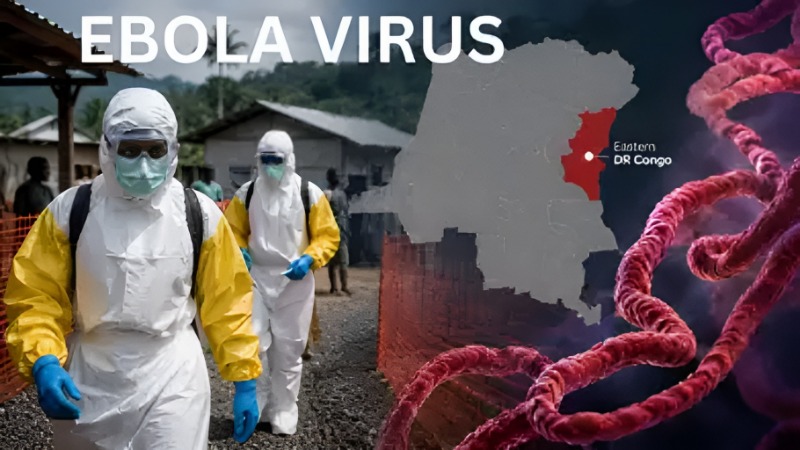
The Democratic Republic of Congo has experienced multiple Ebola outbreaks over the years.
Improved medical response teams and vaccination campaigns helped reduce the spread during later outbreaks.
Step by Step Guide During an Ebola Emergency
Knowing what to do during a suspected Ebola exposure can save lives.
Step 1: Recognize Symptoms Early
People with fever, weakness, vomiting, or recent exposure history should seek medical help immediately.
Step 2: Avoid Physical Contact
Limiting contact with others helps reduce transmission risks.
Step 3: Contact Health Authorities
Medical professionals can arrange testing, isolation, and emergency care safely.
Step 4: Follow Quarantine Instructions
Public health teams may recommend temporary isolation for exposed individuals.
Following instructions protects both families and communities.
Best Practices for Staying Safe
Stay Informed Through Trusted Sources
Reliable health organizations provide accurate outbreak updates and prevention guidance.
Avoid believing social media rumors without verification.
Maintain Hygiene
Regular handwashing remains one of the simplest and most effective protection methods.
Respect Travel Advisories
During outbreaks, health authorities may issue travel warnings or screening procedures.
Following these recommendations helps reduce international spread.
Common Mistakes People Make About Ebola
Assuming Ebola Spreads Through Air
One common myth is that Ebola spreads like the flu through normal breathing.
In reality, transmission mainly requires direct contact with infected fluids.
Ignoring Early Symptoms
People sometimes mistake Ebola symptoms for ordinary fever or stomach illness.
Delaying medical care increases health risks and transmission chances.
Believing Every Outbreak Becomes Global
Most Ebola outbreaks remain regionally contained due to rapid response efforts and isolation procedures.
Public panic often spreads faster than the virus itself.
Real Life Lessons From Past Outbreaks
The Ebola crisis taught the world several important lessons about public health preparedness.
Healthcare systems need:
Fast emergency response
Protective equipment supplies
Trained medical teams
Clear communication strategies
Countries with stronger healthcare infrastructure often manage outbreaks more effectively.
The global response to Ebola also improved readiness for future infectious disease emergencies, while organizations and digital platforms like lslmarketing helped spread awareness campaigns and educational health information to broader online audiences.
Scientific Progress Against Ebola
Medical science continues making progress against the virus.
Recent advancements include:
Improved vaccines
Faster testing methods
Better protective equipment
More effective outbreak tracking systems
International cooperation has also become stronger during health emergencies.
Researchers remain focused on improving treatments and preventing future outbreaks.
Conclusion
The ebola virus remains one of the world’s most serious infectious diseases, but medical science and global awareness have improved significantly over the years. Early detection, proper healthcare support, vaccination efforts, and public education all play important roles in controlling outbreaks and saving lives.
Understanding symptoms, transmission methods, and prevention strategies helps reduce fear and misinformation. While Ebola can be dangerous, modern healthcare systems are better prepared today than ever before.
Staying informed through trusted medical sources and following health safety practices remain the best ways to protect individuals and communities from future outbreaks.
FAQs Sections:
[Frequently Asked Questions]
1. What are the first Ebola virus symptoms?
Early symptoms usually include fever, fatigue, headache, muscle pain, and weakness. These signs may appear within 2 to 21 days after exposure.
2. How does the Ebola virus spread?
The virus spreads through direct contact with infected blood, bodily fluids, contaminated objects, or infected animals.
3. Is there an Ebola virus treatment available?
There is no instant cure, but supportive medical care, antiviral therapies, and proper hydration improve survival rates significantly.
4. Can Ebola virus prevention reduce outbreaks?
Yes, prevention methods such as handwashing, protective equipment, vaccination, and safe healthcare practices help control outbreaks effectively.
5. Which was the largest Ebola virus outbreak?
The largest outbreak occurred in West Africa between 2014 and 2016, mainly affecting Guinea, Liberia, and Sierra Leone.



Leave feedback about this